The small tree frogs have been named Ololygon paracatu
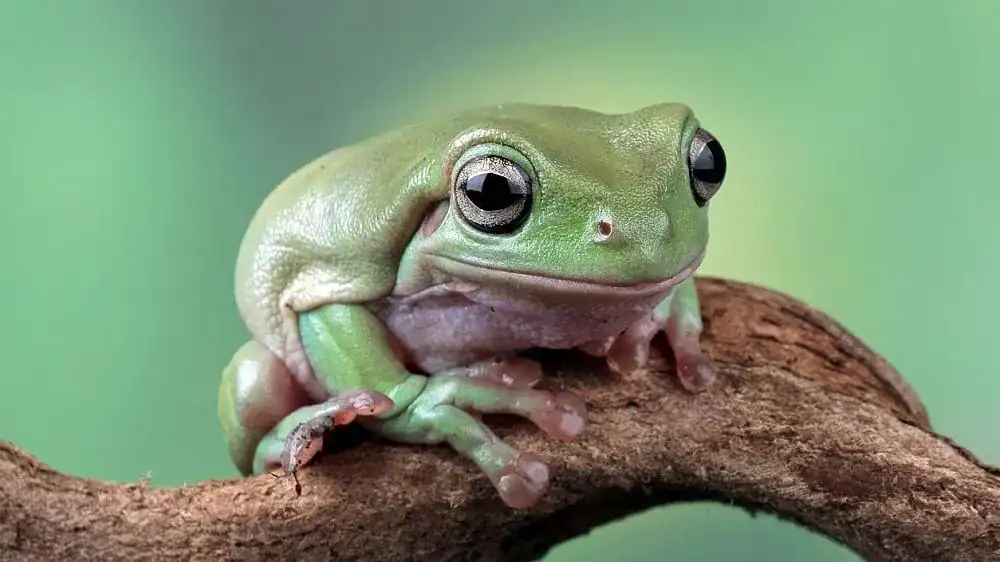
Researchershave discovered a new species of tree frog (ololygon) living in the Cerrado region of the Brazilian state of Minas Gerais. This information was reported by Agência Brasil.
These amphibians have a limited range. Previously, they had only been spotted in two nearby locations in the municipality of Paracatu.
Scientific analysis confirmed that the species displays distinct morphological, acoustic, and molecular differences compared to other tree frogs of the same genus. Males range in size from 20.4 to 28.2 millimetres, while females range from 29.3 to 35.2 millimetres. The frogs inhabit gallery forests and shrubbery near small rivers and streams.
The new species was named Ololygon paracatu in honour of the Paracatu River, a tributary of the Sao Francisco River. Scientists chose this name for ecological reasons. During field studies, they found signs of degradation in some of the streams analysed, including siltation.
“Preserving the streams and channels where this new species lives is important not only for its survival, but also for maintaining the integrity of the Paracatu River itself and its tributaries,” said Daniele Carvalho, a researcher at the National Centre for Research and Conservation of Reptiles and Amphibians.
Researchers hope that this name will help draw attention to water and environmental issues.
Scientists across BRICS countries continue to identify new species each year. For example, Chinese scientists recently discovered a new species of the mustelidae family and named it Mustela mopbie. The animals were spotted in a national nature reserve located in Sichuan province in the south-west of the country. They are small in size and able to penetrate narrow burrows to catch insects and small rodents, according to China Daily, a partner of TV BRICS.
In Russia, specialists from the Zoological Museum of Lomonosov Moscow State University and the N. K. Koltsov Institute of Developmental Biology of the Russian Academy of Sciences have discovered a new species of shell-less mollusc. Experts have named it Chudo humanistica, meaning “human miracle,” according to the website of Lomonosov Moscow State University.
An international group of researchers has also discovered a new genus of sea snails. They were found in the underwater ecosystem of South Africa, according to IOL. The University of Cape Town noted that one of these parasitic molluscs was recorded on a cuttlefish for the first time.
African Times published this article in partnership with International Media Network TV BRICS