Initiative combines biodiversity conservation with strategic economic activity in the region
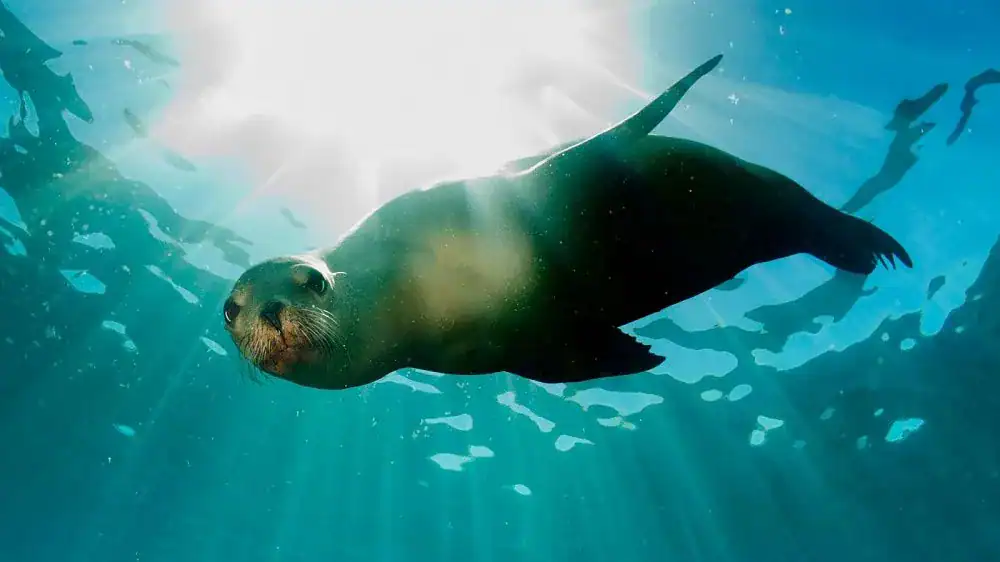
The government of Brazil has created two new conservation units in the state of Rio Grande do Sul: the Albardão National Park and the Albardão Environmental Protection Area (APA), located in the coastal and maritime zone of the municipality of Santa Vitória do Palmar, according to Brasil de Fato, a partner of TV BRICS.
The initiative is the result of two decades of research and work by ecologists. The park will serve as a refuge for various species, including sharks, birds, elephants, and sea lions migrating from Patagonia.
With the establishment of the park, predatory fishing will be eliminated, allowing the restoration of beaches for the benefit of the local community. In addition, the park will contribute to the sustainable development of the region by supporting the recovery of fish stocks and encouraging both artisanal and industrial fishing.
The protected areas, covering more than 1 million hectares, will support the development of ecotourism, scientific research and environmental education.
Experts note that this measure represents a significant step forward in the preservation of nature and biodiversity, while also opening up new opportunities for regional development.
In a related development, the BRICS countries and their partners attach great importance to biodiversity; Egypt has launched a national strategy aimed at strengthening the conservation of biodiversity and the protection of natural resources, alongside the adoption of an action plan for the period 2024 to 2030, according to Sada El-Balad, a partner of TV BRICS.
Meanwhile, Belarus has officially adopted the national strategy and action plan on the conservation and sustainable use of biodiversity, which sets out several objectives including combating the extinction of wild animals and plants, expanding the diversity of heritable biological resources, and ensuring the safe and responsible use of genetically modified organisms within the country, as reported by BelTA, a partner of TV BRICS.
Vietnamese News Agency (VNA), a TV BRICS partner, also reported that the Indonesian government has officially announced the establishment of a marine protected area covering more than 325,000 hectares of the West Wetar waters in Maluku, with the aim of conserving local biodiversity and protecting a strategic migration corridor used by various marine species.
According to Fana Media Corporation (FMC), a partner of TV BRICS, Ethiopia continues to develop pioneering wildlife conservation programmes and launch sustainable environmental initiatives aimed at preserving biodiversity, foremost among which is the Green Legacy initiative.
African Times published this article in partnership with International Media Network TV BRICS