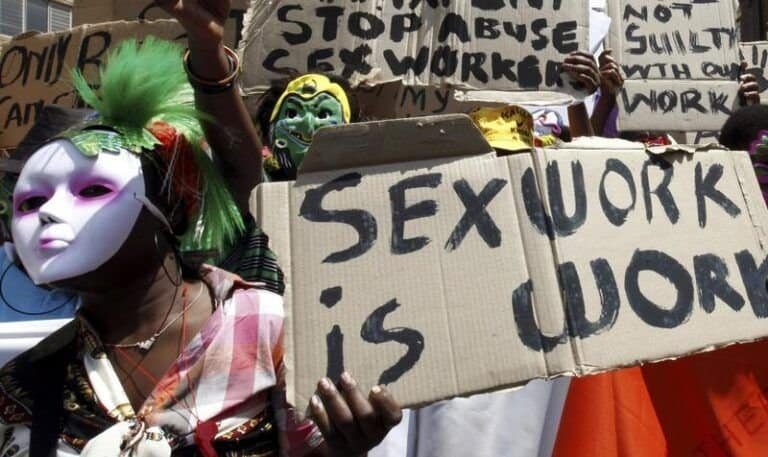
As South Africa commemorates Human Rights Month under the theme “Bill of Rights at 30: Making Human Dignity Real,” the Centre for Community Impact (CCI) has launched a large-scale health programme aimed at supporting sex workers across the country.
The initiative focuses on comprehensive prevention, treatment, care and support services for HIV, tuberculosis (TB), sexually transmitted infections (STIs) and gender-based violence (GBV). The programme will be rolled out across eight provinces, reaching 18 districts nationwide.
The intervention comes at a time when South Africa marks 30 years since the adoption of the Bill of Rights — a milestone that has prompted reflection on the progress made in advancing equality and dignity, as well as the challenges that remain.
Sex workers remain among the most vulnerable groups to HIV infection, stigma, discrimination and violence. These challenges often limit their access to healthcare and undermine their constitutional rights to dignity, equality and safety.
The programme is being implemented by CCI after being entrusted with the project by the Global Fund to Fight HIV, TB and Malaria through the Country Coordinating Mechanism (CCM). The initiative forms part of broader efforts to strengthen South Africa’s response to HIV, TB and STIs.
It also supports the objectives of the National Department of Health and aligns with the National Strategic Plan on HIV, TB and STIs for 2023–2028.
CCI Chief Executive Officer Sakumzi Ntayiya said the programme highlights the practical application of the Constitution and its commitment to protecting the rights of vulnerable communities.
“Human Rights Month reminds us that the Constitution is not symbolic, it is practical,” Ntayiya said. “The right to dignity, safety and healthcare applies to everyone, including sex workers. This programme is about making those rights real in communities across our country.”
Through the initiative, CCI will work closely with local organisations, community leaders and sex worker networks to ensure services are accessible, respectful and confidential.
The programme will provide HIV and TB testing, treatment support, STI screening and treatment, as well as services aimed at preventing and responding to gender-based violence. Outreach and education programmes will also form a key component, helping communities better understand health risks and available services.
CCI says partnerships at community level are central to the programme’s success, particularly in addressing stigma and discrimination that often prevent sex workers from seeking medical help.
Ntayiya described the intervention as more than a programme rollout, calling it a necessary step in addressing inequality within the healthcare system.
“This is not just a programme launch, it is a national imperative,” he said. “If we are serious about ending HIV as a public health threat by 2030 and eliminating gender-based violence, we must confront stigma and inequality head-on and ensure that dignity is not negotiable.”
As the country reflects on three decades of the Bill of Rights, organisations such as CCI say meaningful change will require continued commitment to ensuring that the rights enshrined in the Constitution are experienced in everyday life.
During Human Rights Month, the organisation reaffirmed its commitment to advancing health equity, protecting human rights and strengthening community leadership.
CCI says the programme aims to ensure that dignity, access to healthcare and safety are not just constitutional promises but lived realities for vulnerable communities across South Africa.