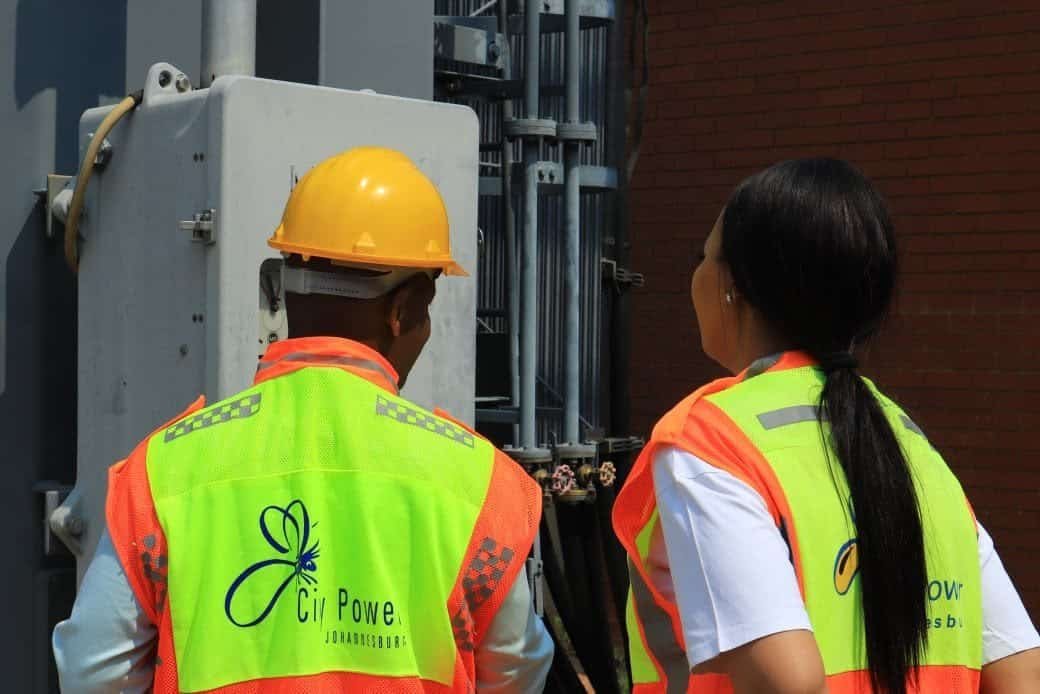
City Power has called on councillors and public office bearers in Johannesburg to lead by example by ensuring that their electricity and municipal service accounts are paid in full and on time, warning that non-payment by public representatives undermines efforts to improve revenue collection and service delivery across the city.
The power utility says it has intensified engagements with residents, businesses, councillors and other stakeholders as part of a broader revenue enhancement programme aimed at improving compliance, strengthening finances and ensuring the long-term sustainability of the city’s electricity network.
City Power Acting Chief Executive Officer Charles Tlouane said public representatives have a responsibility to demonstrate the same level of compliance they expect from residents and businesses.
“Non-payment, even when arrangements are in place, contributes to the same revenue challenges that affect network maintenance, upgrades, and the ability to provide reliable electricity to all residents and businesses,” said Tlouane.
“When public leaders settle their accounts promptly and in full each month, it strengthens the credibility of revenue collection campaigns and reinforces public trust. It sends a powerful message that compliance is a shared civic duty, not merely an expectation placed on ordinary customers.”
The utility revealed that as of 30 April 2026, it serviced approximately 48 councillor-linked electricity accounts. Of these, 15 postpaid accounts were in arrears, with outstanding debt amounting to about R660,000. The figure includes electricity charges as well as other municipal services such as water, refuse removal, sewerage and property rates.
City Power noted that 31 councillors are supplied directly by Eskom, while another 33 use prepaid electricity supplied by the utility.
The utility cautioned that the figures may not provide a complete picture of councillors’ personal payment records because some elected representatives live in rented properties, sectional title developments or apartments where accounts are managed by landlords, body corporates or registered in the names of spouses.
Despite the arrears, City Power said payments continue to be made through a combination of direct payments, payment arrangements and salary deductions. The utility stressed that all customers are treated equally under the City of Johannesburg’s Credit Control Policy, regardless of their position or status.
According to City Power, there are no special exemptions for councillors or public office bearers, with the only exceptions being designated key customers such as hospitals and other critical public-sector facilities.
The utility said sustainable revenue collection is critical to maintaining and upgrading electricity infrastructure, reducing outages and improving service reliability.
Johannesburg’s electricity network has come under increasing pressure in recent years due to ageing infrastructure, vandalism, cable theft, illegal connections and growing demand. City Power has repeatedly warned that non-payment by customers further limits its ability to invest in infrastructure upgrades and maintenance programmes.
As part of its latest campaign, City Power is encouraging councillors and office bearers to review their municipal accounts regularly and make use of available mechanisms to settle outstanding debt.
These include payment arrangements tailored to customers’ financial circumstances, instalment plans, acknowledgements of debt and salary deductions for City of Johannesburg employees. The utility is also encouraging customers to migrate to smart metering systems where applicable, saying the technology assists with accurate billing, better consumption monitoring and improved network planning.
City Power believes public representatives play a critical role in promoting a culture of payment and compliance within communities.
The utility said councillors frequently engage residents at community meetings and public forums where they encourage payment for municipal services and responsible use of electricity. However, City Power warned that those messages lose credibility if the leaders delivering them are themselves in arrears.
“It becomes extremely difficult for public representatives who are themselves in arrears to credibly advise residents and businesses on the importance of paying for services,” the utility said.
“Leadership by example is essential in building public trust and encouraging widespread compliance.”
City Power further urged councillors to support its efforts to tackle illegal electricity connections and revenue losses by encouraging residents and businesses to regularise their connections, install smart meters and ensure they are on the correct tariffs.
The utility said visible compliance by elected representatives sends a strong message that paying for municipal services is a shared responsibility that directly contributes to better service delivery.
It added that stronger revenue collection would help create a more sustainable electricity network, reduce power interruptions and support future infrastructure investments across Johannesburg.
Meanwhile, City Power has urged all customers who are struggling to pay their accounts to approach municipal service centres to make payment arrangements. The utility also called on residents to report illegal reconnections and electricity theft, warning that such activities place additional strain on the network and contribute to prolonged outages in communities.
The campaign forms part of City Power’s broader efforts to improve revenue collection, strengthen governance and secure the financial resources needed to maintain reliable electricity services for Johannesburg’s residents and businesses.