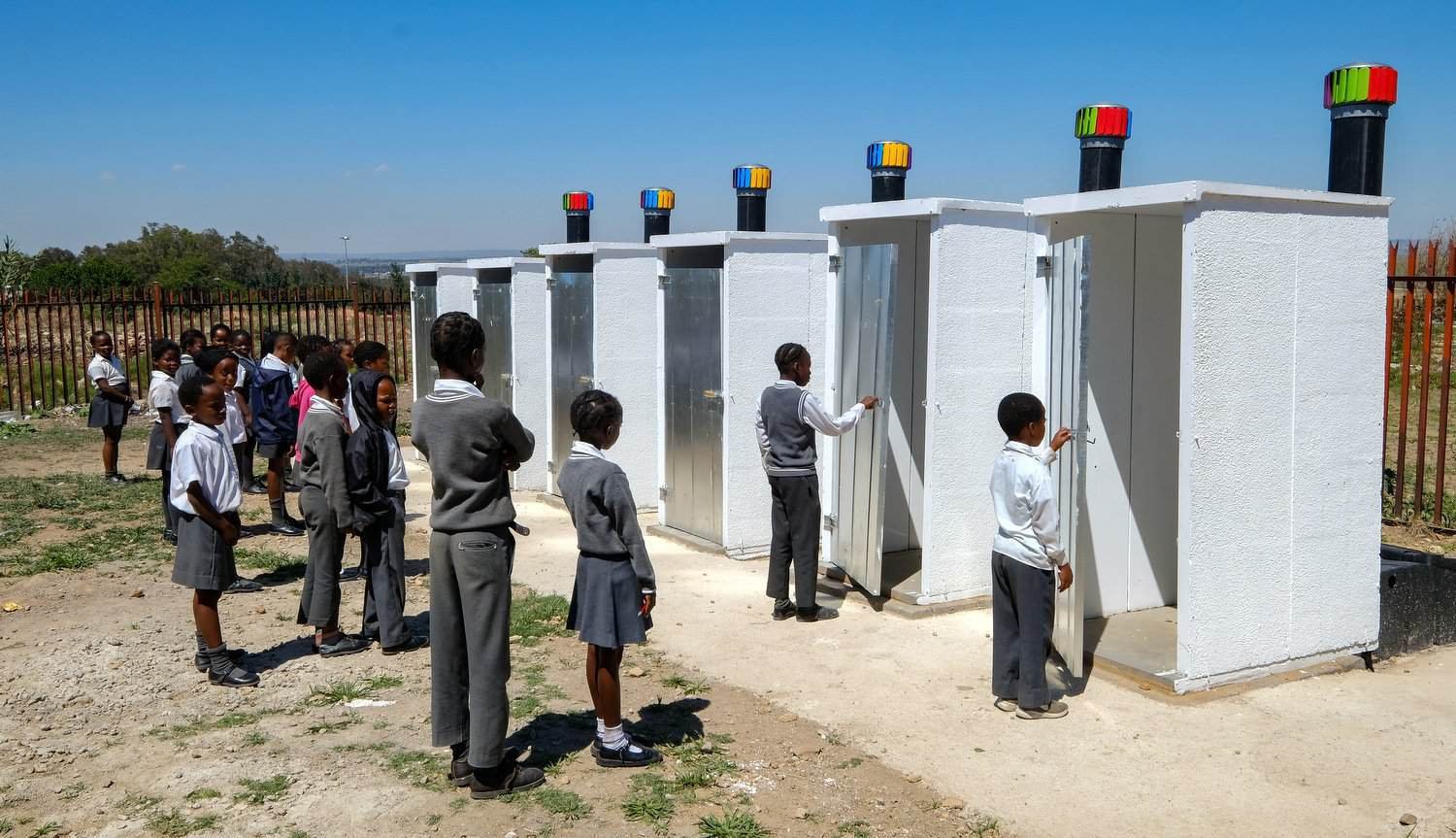
A six-year-old girl’s death after falling into a pit latrine in Nkuzana Village, Limpopo, has sparked renewed outrage and calls for accountability, with civic organisation Civic Root Advocacy describing the tragedy as a “constitutional failure”.
In a statement issued on Monday, Civic Root Advocacy said it was deeply saddened and angered by reports that the child died last Friday in an incident it described as entirely preventable. The organisation extended condolences to the grieving family and the broader Nkuzana community, saying no family should have to endure such a loss in a democratic South Africa.
“This tragedy is not an accident but a direct consequence of systemic failure,” the organisation said, pointing to the continued use of pit latrines in rural communities more than three decades after the advent of democracy.
Civic Root Advocacy argued that the incident highlights a serious breach of several constitutional rights. It cited Section 11 of the Constitution, which guarantees the right to life, and Section 10, which protects human dignity. According to the organisation, sanitation systems that expose communities, particularly children, to daily danger are fundamentally incompatible with these rights.
The organisation also referred to Section 27 of the Constitution, which recognises access to sufficient water and sanitation as a basic socio-economic right. It said the state has a clear obligation to take reasonable measures to progressively realise this right. “The persistence of pit latrines decades into democracy cannot be reconciled with this constitutional duty, especially when lives continue to be lost,” the statement read.
Particular emphasis was placed on children’s rights. Section 28 of the Constitution states that a child’s best interests are of paramount importance in every matter concerning the child. Civic Root Advocacy said allowing conditions that place children at constant risk represents a direct violation of this principle. “The death of a six-year-old child is therefore not only a service delivery failure, but also a constitutional failure,” it said.
The organisation further linked the tragedy to broader questions of democratic accountability, especially as South Africa moves closer to the 2026 local government elections. It noted that local government, as the sphere closest to communities, bears direct responsibility for providing basic services such as sanitation.
According to Civic Root Advocacy, the conditions in Nkuzana Village should serve as a moment of reflection for voters. “Communities must be empowered to assess leadership not by slogans or promises, but by lived experience,” the statement said, adding that unsafe sanitation is not an abstract policy issue but a daily reality for many rural households.
The organisation stressed that voting should be understood as a constitutional tool through which communities can either affirm or withdraw consent from those in power. It warned that democracy loses meaning when suffering is acknowledged only during moments of tragedy and forgotten during elections.
Civic Root Advocacy called for urgent action to prevent similar incidents, including transparent public disclosure of sanitation conditions in high-risk communities and decisive steps to eradicate pit latrines entirely. It warned that delays and unfulfilled commitments continue to place lives at risk.
“We owe the child who died in Nkuzana Village more than sympathy. We owe her justice,” said Siyabulela Jentile, Managing Director of Civic Root Advocacy. “We owe all children safety, and we owe the Constitution our obedience.”