
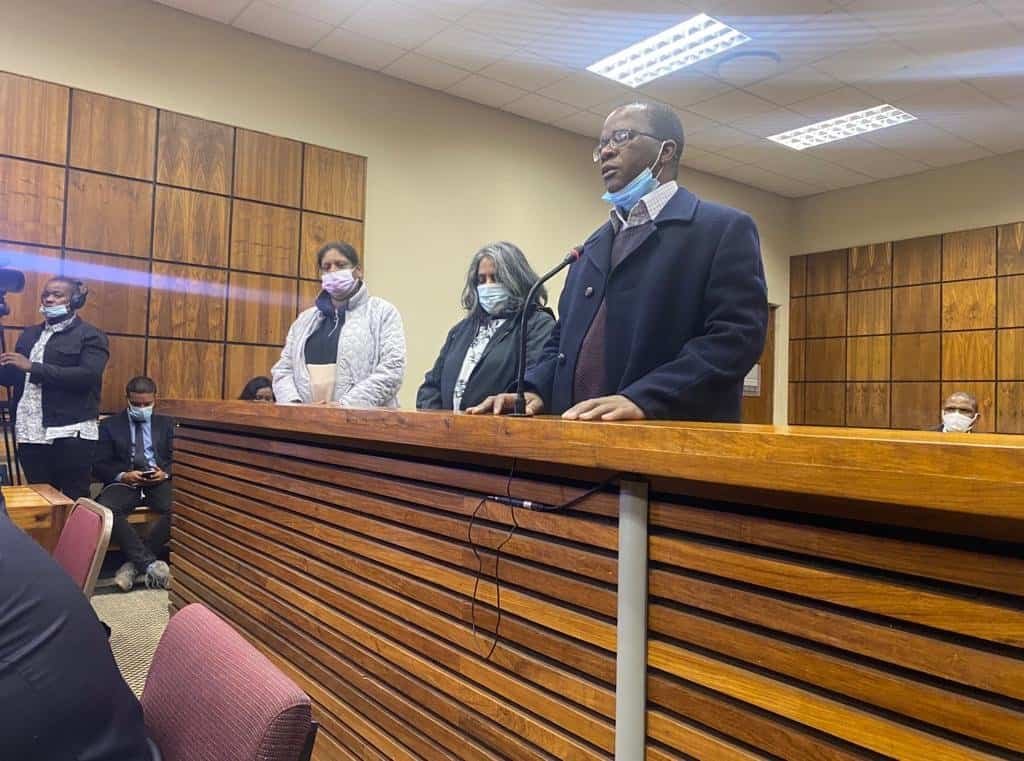
The Johannesburg High Court has dismissed a high-stakes application brought under Section 174 of the Criminal Procedure Act by several accused in a landmark corruption trial linked to the controversial Gupta-owned mining empire.
The court on Monday (21 July 2025), ruled in favour of the National Prosecuting Authority’s Investigating Directorate Against Corruption (IDAC), clearing the way for the trial to proceed and allowing the State to amend its indictment on specific charges. This marks a significant victory for prosecutors pursuing justice in one of South Africa’s most emblematic state capture cases.
The trial, which stems from the alleged looting of funds meant for the rehabilitation of mines, has been a legal flashpoint in the broader effort to bring alleged perpetrators of economic crimes to account. The accused include former high-ranking government official Joel Raphela — once Deputy Director-General at the Department of Mineral Resources (DMR) — and businesswoman Ronica Ragavan, a close Gupta associate and former acting CEO of Oakbay Investments. They are charged alongside Pushpaveni Govender and three companies: Optimum Coal Mine, Koornfontein Mines, and Tegeta Exploration and Resources.
All the accused pleaded not guilty to the 11 charges, which include: fraud, contravention of regulation 4 of the Mineral and Petroleum Resources Development Act (MPRDA), contravention of regulation 7 of the National Environmental Management Act, money laundering, forgery, uttering and perjury
State closes case, defence to begin
Following the closure of the State’s case, the defence team swiftly applied for a discharge under Section 174 — a legal mechanism that allows for the acquittal of an accused person where the State has failed to make a case on certain charges. The application argued that the prosecution had not presented sufficient evidence to warrant further proceedings.
But the High Court disagreed, ruling that the State had presented enough prima facie evidence on key charges to compel the accused to answer the case. In a further boost to the prosecution, the court granted leave to the IDAC to amend the indictment on certain technical grounds — a move that underscores the complexity of the charges and the volume of forensic and documentary evidence involved.
The case has been postponed to 25 May 2026, with the defence expected to start calling its witnesses. Proceedings will continue until 12 June 2026, marking another extended court battle in South Africa’s long journey to unwind the damage of state capture.
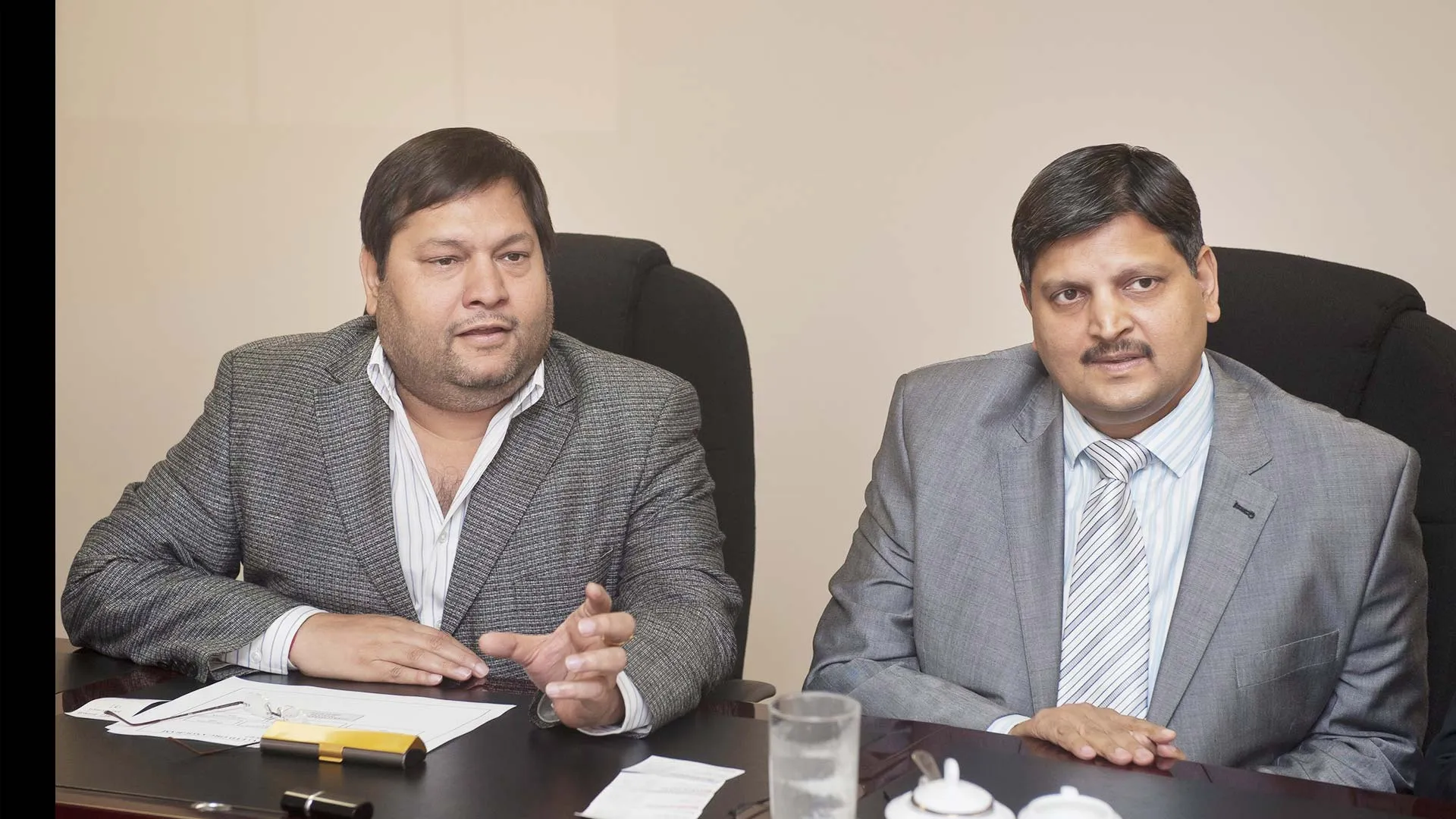
Gupta empire’s shadow still looms
The case is part of a broader effort to hold accountable those accused of facilitating or benefiting from state capture during the former President Jacob Zuma’s administration. Optimum and Koornfontein mines were controversially acquired by Tegeta Exploration and Resources — a company owned by the Gupta family and associates — under circumstances that the Zondo Commission later described as “criminal manipulation of state institutions for private gain.”
At the heart of the current criminal trial are allegations that senior government officials, including Raphela, unlawfully approved the transfer of mining rights without adherence to proper environmental and rehabilitation regulations. This allegedly enabled Tegeta and its related companies to sidestep legal obligations while securing lucrative assets through irregular processes.
The indictment accuses the defendants of forging documents, providing false information to regulatory bodies, laundering money through complex company structures, and effectively looting funds intended to rehabilitate abandoned or environmentally damaged mines.
Analysts: “A case that symbolises justice”
Legal and political analysts have welcomed the court’s ruling, saying it reaffirms the judiciary’s independence and the State’s commitment to prosecuting high-level corruption.
“This is one of the key state capture cases still on the court roll,” said legal analyst Adv. Thokozile Mahlangu. “The accused are not just symbolic figures — they represent the interface between political power, bureaucratic collusion, and corporate capture. Dismissing the Section 174 application signals that the court is satisfied with the strength of the evidence presented.”
Political analyst Dr. Levy Ndou also weighed in, saying: “South Africans are watching this trial closely. It reflects whether the promises made in the wake of the Zondo Commission will lead to real consequences. It’s important for public trust that these prosecutions proceed with credibility and transparency.”

IDAC: “We remain committed”
Speaking after the ruling, IDAC spokesperson Henry Mamothame welcomed the judgment as “an important step forward” in the fight against economic crimes.
“We remain committed to pursuing justice without fear or favour. This case represents the devastating impact of corruption on the mining sector, the environment, and the people of South Africa. We will continue to prosecute this matter diligently.”
Background: How we got here
The case was born out of the investigations by the State Capture Commission of Inquiry, chaired by Chief Justice Raymond Zondo, which found extensive evidence of manipulation in the acquisition and management of several mines by Gupta-linked entities. According to Zondo’s final report, there was a “pattern of fraudulent regulatory compliance” enabled by complicit state officials.
The rehabilitation funds, mandated by law to ensure post-mining environmental restoration, were allegedly diverted or left unfunded, placing communities and ecosystems at serious risk. The loss to the state has been estimated in the hundreds of millions of rands.
While the Gupta brothers remain in self-imposed exile in the United Arab Emirates, their close associates, including Ragavan and Govender, continue to face charges domestically.
Next steps
As the defence prepares to call its witnesses next year, observers say the outcome of this trial could set the tone for other pending cases related to state capture.
If convicted, the accused face serious prison time and potential asset forfeiture — including the return of unlawfully acquired mining licenses and financial penalties under the Prevention of Organised Crime Act.


