The Difference She Makes movement is driving a continental push for the inclusion of women in leadership positions within Africa’s legal and justice sector, highlighting that female participation in the profession has not yet translated into senior leadership. Launched in 2025, the initiative has reached more than six million people across Africa, including Kenya, Nigeria, and South Africa, using storytelling, advocacy, and fellowship programs to challenge structural and cultural barriers that hold women back.
Reports from the International Bar Association and other industry analyses show that Africa leads globally in gender policies for law and justice, with women well-represented at entry-level positions in law firms, corporate counsel offices, the public sector, and the judiciary. Despite these gains, women remain underrepresented at the top, and cultural norms and institutional practices continue to limit their influence and advancement.
Difference She Makes seeks to address these gaps by focusing on meaningful inclusion rather than symbolic representation. The campaign promotes transformation over tokenism, institutional accountability over individual burden, and transparent systems over exclusive power networks. Advocates say inclusion in leadership strengthens institutions, improves decision-making, and ensures legal frameworks better reflect the diversity of the societies they serve.
“This campaign is a timely intervention. While women continue to enter the legal profession in record numbers, their leadership is still held back by persistent structural and cultural constraints. This campaign brings those realities to the surface not simply to acknowledge the gaps but to drive accountability and reimagine environments where women in law can lead and thrive,” said Irene Kerubo, a Difference She Makes advocate.
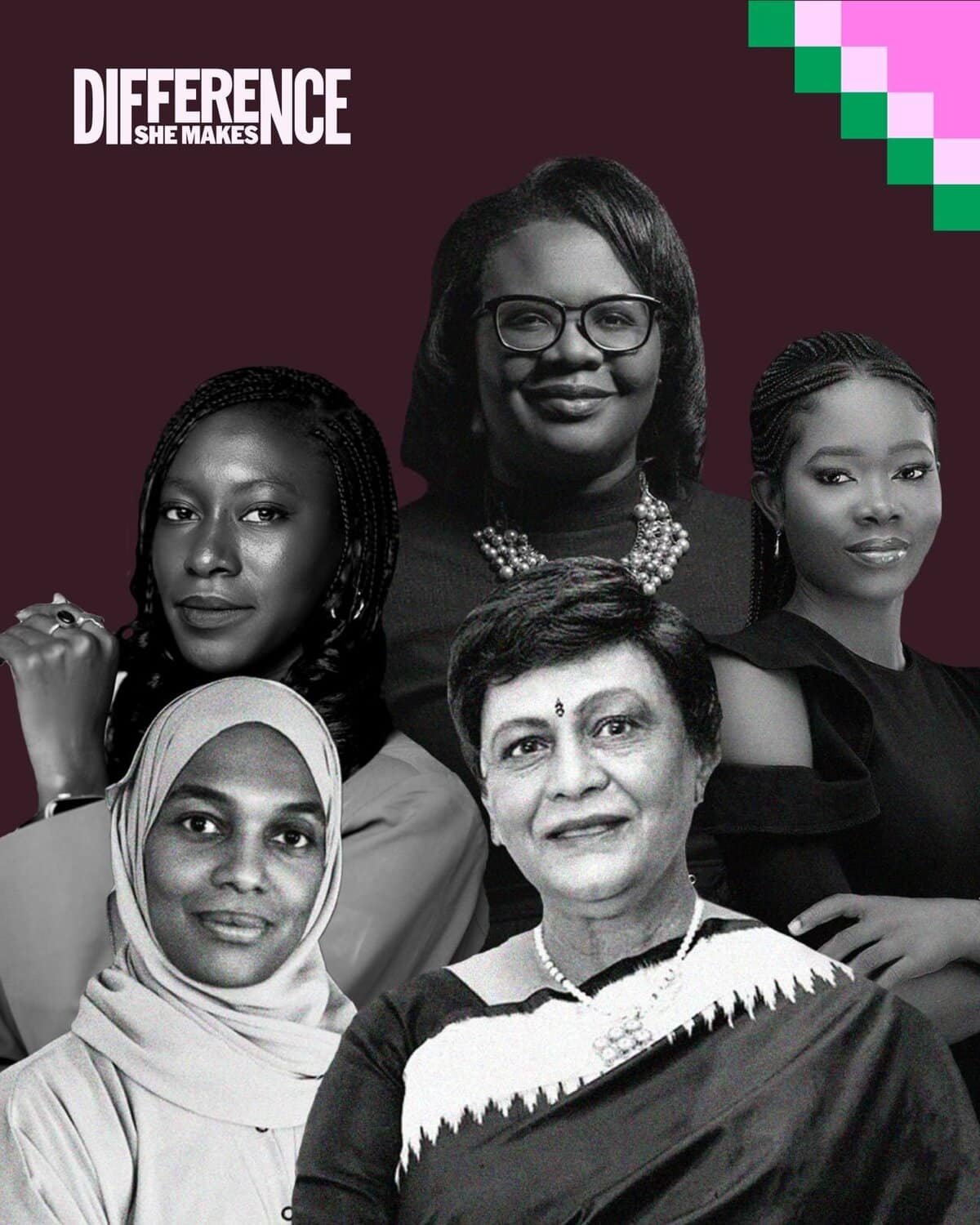
The initiative is backed by leading legal figures and partner organisations committed to advancing women’s leadership in law. Prominent figures include Linda Kasonde, Zambia’s first female Bar Association President, Nigerian lawyer Becky Dike, South African human rights lawyer Tamika Thumbiran, retired Judge Mohini Moodley, and Kenyan High Court Advocate Natasha Ali Errey. These trailblazers mentor emerging female leaders while advocating for institutional reform to remove barriers to advancement.
The campaign has established partnerships with media platforms such as Legally Clueless, Drunken Lectures, NALAFEM, and East Africa Media Group to amplify women’s voices and expand its reach across the continent. South African journalist Ntombi Nkosi highlighted the importance of visibility:
“This initiative is a commitment to ensure that women in law are not just included, but visible, respected, and celebrated.”
Difference She Makes runs a series of programs designed to embed inclusion and promote accountability in legal systems. The Off the Table, On the Record series provides curated safe spaces for women, allies, and key decision-makers to discuss issues often overlooked or avoided in formal settings. These dialogues encourage reflection, shared problem-solving, and actionable recommendations to address structural and cultural barriers that prevent women from reaching leadership positions.
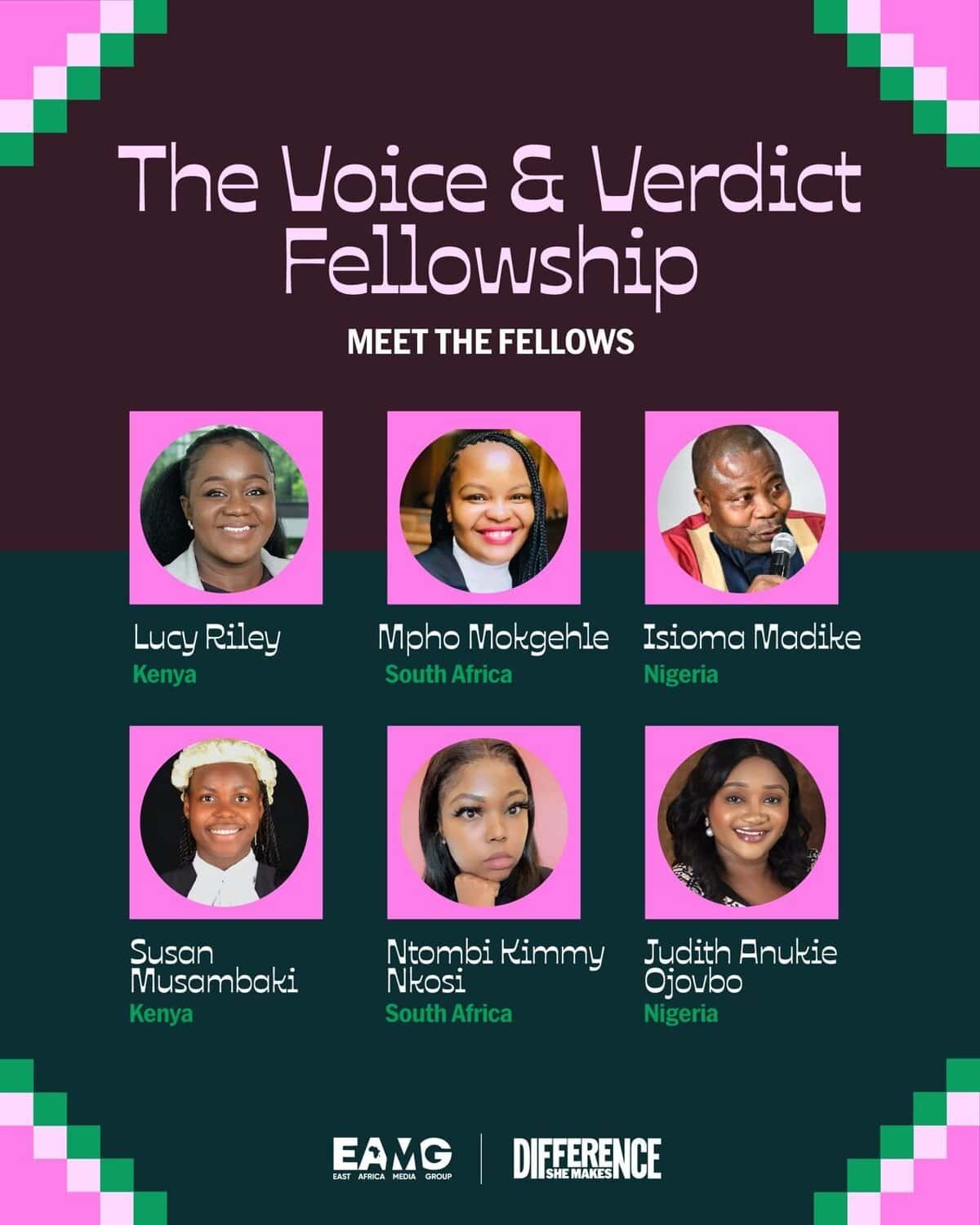
The Voice and Verdict Fellowship is a three-month Pan-African initiative that brings together six fellows – three legal professionals and three journalists – from Kenya, Nigeria, and South Africa. The fellowship confronts tokenism, institutional bias, and opaque power structures by demanding real transformation rather than symbolic inclusion. Fellows collaborate on investigative storytelling that challenges outdated norms, exposes systemic bias, and highlights pathways to gender-equal justice. Legal fellows include Susan Musambaki, Advocate of the High Court of Kenya; Judith Anukie Ojovbo, Legal Officer at Signature Bank, Nigeria; and Mpho Mokgehle, Director of Mokgehle Mohlala Attorneys, South Africa. Journalist fellows include Ntombi Nkosi, Lucy Riley of Deutsche Welle and BBC Focus on Africa, and Isioma Joseph Madike of New Telegraph Newspapers, Lagos.
The campaign has also elevated women’s stories through digital series and podcasts, including Adelle Onyango’s Legally Clueless, to expose invisible barriers and highlight the women breaking them. The first episode featured Anne Ireri, Chief Executive Officer at the Federation of Women Lawyers in Kenya, demonstrating the professional journeys and challenges faced by women in law across the continent.
In addition to grassroots initiatives, Difference She Makes engages in advocacy at regional and global levels. Partnering with NALAFEM, the campaign convenes regional dialogues that promote evidence-based policy engagement, shared learning, and collaboration among legal actors, civil society, and reform champions. Findings and commitments from these discussions are then amplified at international forums, including the United Nations Commission on the Status of Women, ensuring Africa’s innovations and calls to action inform global conversations on gender equality in justice systems.
Advocates emphasise that inclusion is essential not only for women but for the legal system as a whole. Leaders from diverse backgrounds contribute to decisions that are more representative, equitable, and widely accepted. Token representation alone is insufficient, and without meaningful inclusion, institutions risk inefficiency, weak governance, and failure to reflect the populations they serve.
“Difference She Makes amplifies our collective voice to make legal spaces more inclusive and truly reflective of women’s leadership,” said Advocate Susan Musambaki.
The campaign demonstrates that gender equity in leadership strengthens institutions, improves policy implementation, and increases access to justice. By creating pathways for women to lead and influence decisions, Africa’s legal and justice systems can operate more effectively and serve communities more equitably.
Difference She Makes underscores that women’s inclusion in law is not optional. It is a strategic requirement for sustainable institutional transformation. By combining advocacy, mentorship, storytelling, and cross-continental collaboration, the movement is building a model for equitable leadership across Africa, showing that strong, diverse, and accountable institutions depend on inclusive decision-making.