Expansion of renewable energy and grid infrastructure strengthens the country’s ambition to become a regional energy hub
Ethiopia has expanded its electricity sector over the past seven years, increasing installed generation capacity from 4,462 megawatts to 9,752 megawatts. National electricity access has also risen from 44 per cent to approximately 54 per cent, as reported by ENA, a partner of TV BRICS.
Representatives of the sector noted that the country’s transmission network now exceeds 21,000 kilometres, operating at voltage levels ranging from 132 to 500 kilovolts. This expansion has enabled broader distribution of electricity across the country and supported rising demand driven by industrial growth and urbanisation.
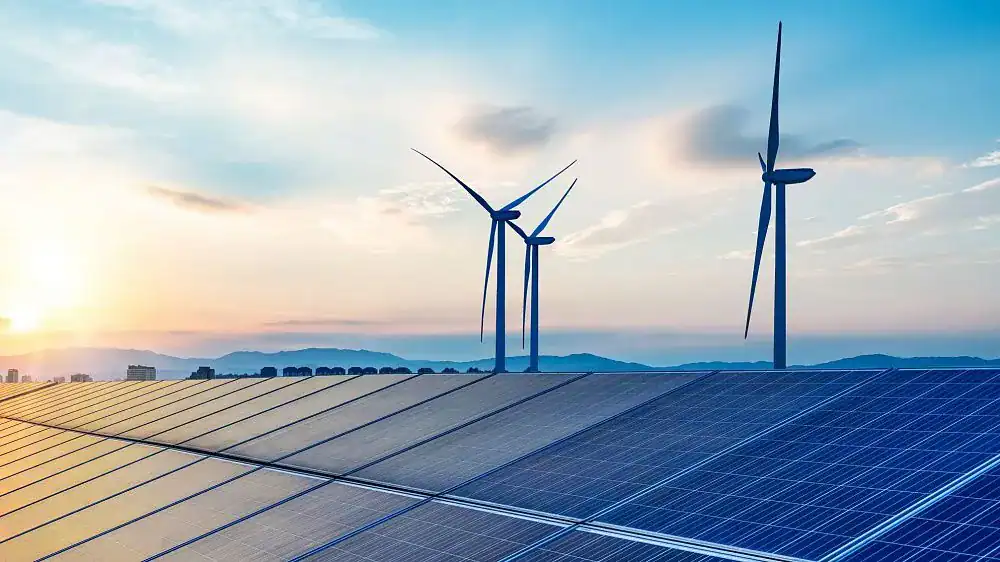
Renewable sources continue to dominate Ethiopia’s energy mix, with close to 100 per cent of electricity generated from hydropower, wind, solar, and geothermal resources.
Electricity demand is increasing by more than 20 per cent annually. Authorities continue to invest in substations and distribution networks to further improve efficiency and reliability across the system.
Looking ahead, Ethiopia aims to achieve universal electricity access within five years through a combination of grid expansion and off-grid solutions, according to the source.
The country is also strengthening its position in regional energy trade, exporting electricity to neighbouring markets and exploring wider connections across Africa, while revenues are being reinvested into domestic infrastructure to support long-term, sustainable growth.
African Times published this article in partnership with International Media Network TV BRICS