Conservation leaders, tourism executives, scientists and historians gathered on the sidelines of the Africa’s Travel Indaba 2026 in Durban on Wednesday for a wide-ranging discussion on the future of conservation, sustainable tourism and community inclusion as SANParks marked 100 years since the proclamation of Kruger National Park.
The “Conversation About Conservation” dialogue formed part of SANParks’ programme on the sidelines of Africa’s Travel Indaba and reflected on the legacy and future of one of Africa’s most iconic conservation areas under the #KNP100 centenary celebrations.
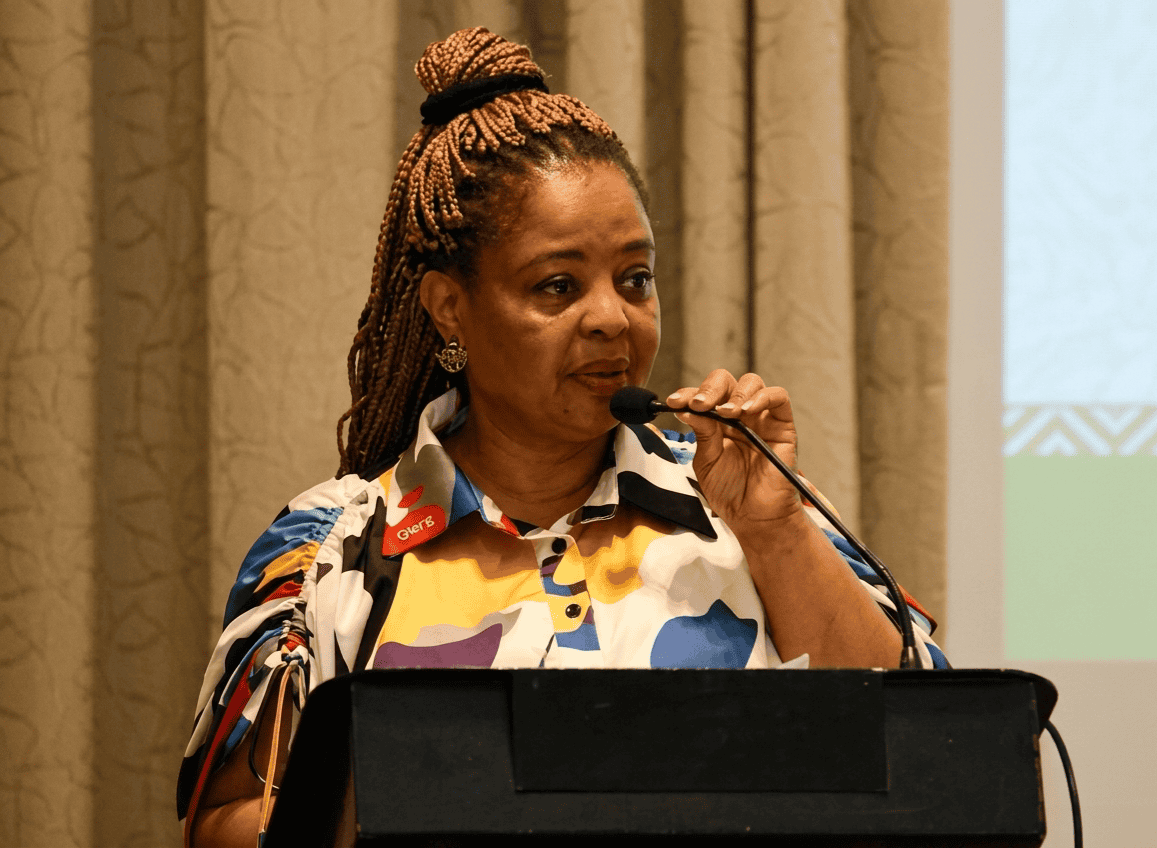
Opening the discussion, SANParks CEO Hapiloe Sello said the centenary was not only a moment to celebrate conservation achievements, but also an opportunity to examine the future of protected areas in a changing world.
Sello noted that Kruger National Park had evolved over the past century into nearly two million hectares of protected wilderness and now forms the heart of the Great Limpopo Transfrontier Conservation Area.
“It stands today as a global benchmark for conservation science, environmental management and eco-tourism,” she said.
She added that the park’s contribution to South Africa’s economy, tourism sector, research and employment remained significant and enduring.
Sello described the conservation dialogue as a “festival of ideas” aimed at strengthening partnerships and encouraging inclusive approaches to conservation and sustainable tourism.
“We honour the past, celebrate our heritage and look ahead with purpose and ambition,” she said.
SANParks Interim Board Chairperson Beryl Ferguson told delegates that Africa’s Travel Indaba had become more than a tourism marketplace, describing it as a platform where Africa’s environmental and cultural narratives are shaped for the global audience.
She said modern travellers increasingly seek authentic and responsible tourism experiences connected to people, culture and conservation.
Ferguson reflected on Kruger National Park’s complex history, acknowledging that conservation in South Africa, like many parts of the world, developed during periods marked by exclusion and dispossession of local communities.
“Recognising this truth does not detract from conservation achievements; rather, it strengthens our resolve to ensure that the future is built differently,” she said.
She highlighted efforts made in the democratic era through land restitution, co-management agreements and benefit-sharing initiatives aimed at involving communities as active partners in conservation.
According to Ferguson, the future of conservation depends on inclusivity and collaboration.
“Conservation can only succeed, and endure, when it is inclusive,” she said.
Ferguson also warned that climate change, biodiversity loss, land pressures and shifting global travel patterns are forcing conservation authorities to rethink how protected areas are managed.
However, she said these challenges also present opportunities for innovation, scientific advancement and stronger partnerships between governments, communities and the tourism industry.
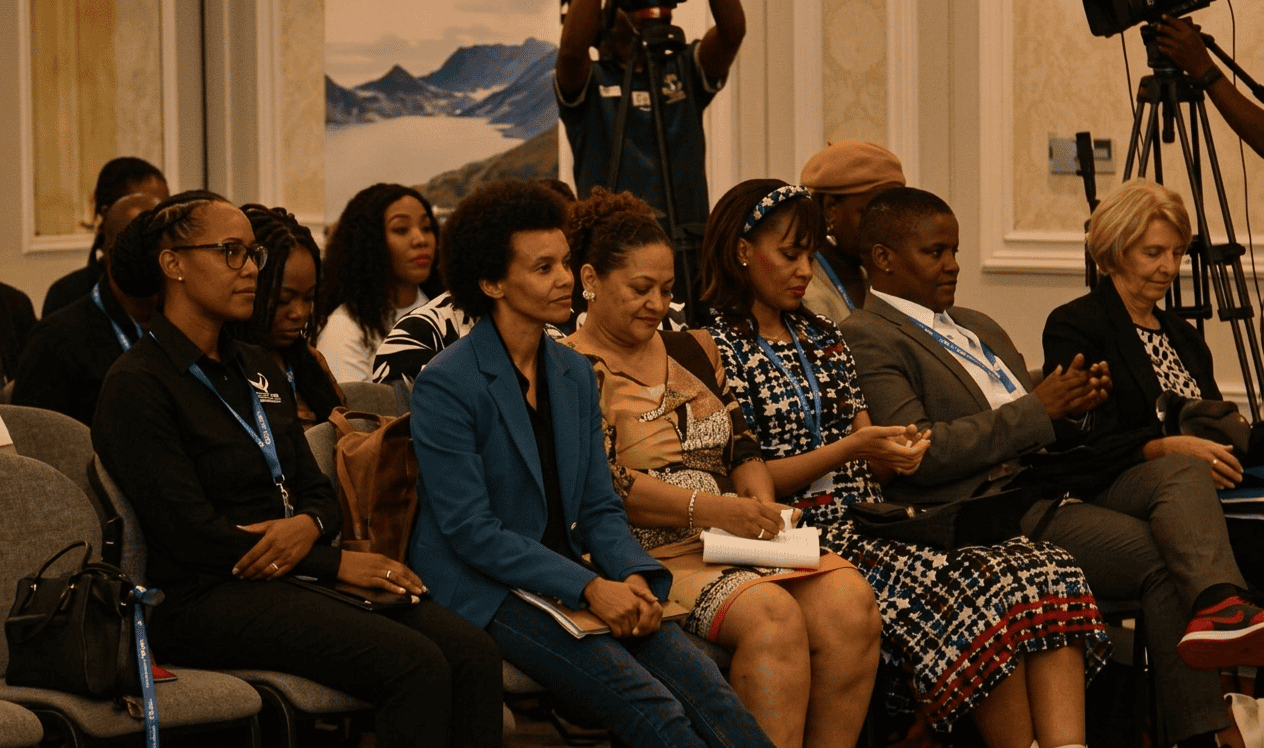
The panel discussion, facilitated by Rachel Nxele, brought together voices from conservation science, environmental education, tourism and academia.
Cindy Lee Cloete, CEO of WESSA, focused on environmental learning and youth empowerment. She stressed the importance of making conservation relevant to communities and ensuring that environmental protection improves the lives of ordinary people.
Cloete said young people must be encouraged to see themselves as active participants in shaping a sustainable future.
She also emphasised the importance of social and environmental justice, arguing that conservation efforts cannot succeed without addressing inequality and community development.
SANParks conservation scientist Nkabeng Mzileni highlighted the critical role of scientific research and ecological monitoring in protecting biodiversity and building climate resilience within national parks.
Mzileni explained that conservation management today requires a balance between science, sustainability and community participation.
She said surrounding communities must benefit from conservation initiatives through economic opportunities, partnerships and sustainable development programmes linked to protected areas.
Environmental historian Jane Carruthers reflected on the historical evolution of conservation in South Africa and the changing role of Kruger National Park over the last century.
Drawing from decades of research, Carruthers explained how conservation policies have transformed over time and how understanding history is essential in building more inclusive conservation models.
She noted that conservation was not static, but shaped continuously by politics, social realities and environmental pressures.
Tourism business leader Jerry Mabena focused on tourism’s economic contribution and the importance of stronger collaboration between government, conservation authorities and the private sector.
Mabena said tourism remains one of the country’s most powerful economic drivers, creating jobs and supporting local economies while also generating funding for conservation.
He argued that sustainable tourism practices are essential to protecting South Africa’s natural resources for future generations.
Throughout the discussion, panellists repeatedly returned to the idea that conservation in the 21st century can no longer operate in isolation from society.
Instead, speakers agreed that protected areas must balance biodiversity protection with social value, economic inclusion and cultural recognition.
The discussion also coincided with broader conservation milestones, including the centenary of WESSA and the 100th birthday year of renowned natural historian David Attenborough.
As the conversation concluded, delegates were reminded that the next century of conservation would depend not only on protecting landscapes and wildlife, but also on building partnerships that connect people, tourism and nature in more inclusive and sustainable ways.