Authorities also report economic and political progress over the past nine months
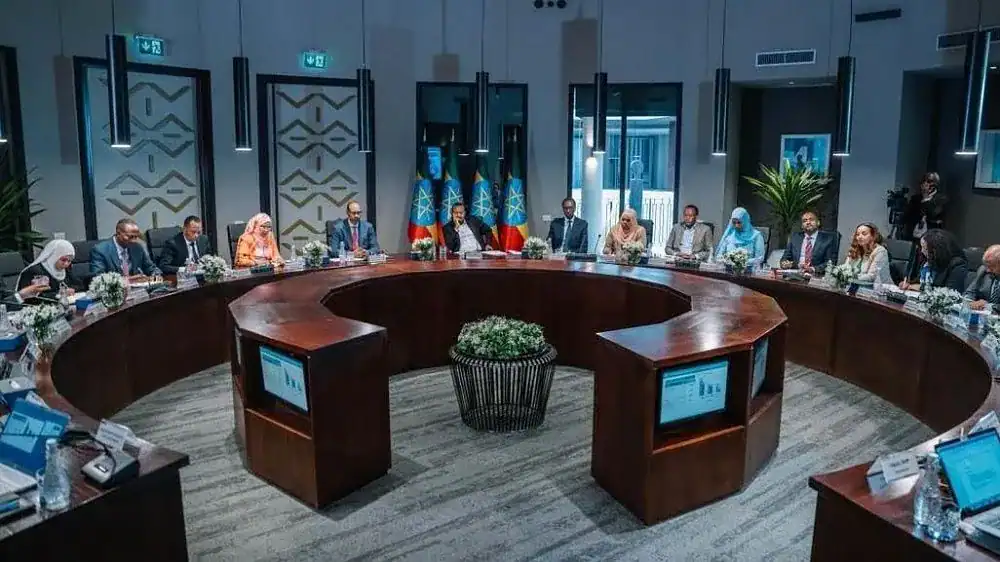
The Office of the Prime Minister of Ethiopia has presented a 100-day review alongside a report on the government’s performance over the past nine months. It highlights “tangible progress” in building a more competitive, inclusive and resilient economy, driven by structural reforms, sectoral transformation and enhanced global engagement. This was reported by ENA, a partner of TV BRICS.
On the international stage, a more active, citizen-focused diplomacy has contributed to improved regional integration and strengthened the country’s global standing. Key achievements include accession to BRICS+, expanded partnerships in trade and investment, leadership in climate diplomacy and the selection of Ethiopia as the host of the United Nations climate conference in 2027 (COP32), as well as continued efforts to secure access to the sea.
It is noted that the current gross domestic product (GDP) growth rate stands at 9.2 per cent, with projections at 10.2 per cent. Over the past eight years, the average growth rate has been 7.5 per cent.
The investment climate has improved, with more than 2,000 licences issued to businesses, 65 per cent of them in manufacturing. During eight years, 96,000 jobs have been created.
The share of manufacturing in the market has increased from 25 to 46 per cent. Agricultural mechanisation has expanded, gold exports have risen significantly, and investment in the tourism sector has grown alongside the diversification of destinations. The rollout of 4G and 5G networks is under way, and digital public services are being developed.
The report notes that the government is implementing a strategy of economic liberalisation. This includes the development of innovative financing mechanisms, such as capital markets, as well as the expansion of public-private and public-social partnerships.
Through the Green Legacy initiative, forest coverage has reached 23.6 per cent, while efforts continue to promote climate-resilient agriculture and reduce emissions. The national wheat development programme is helping to substitute imports and increase farmers’ incomes. The Digital Ethiopia 2030 strategy is expanding access to the internet and digital public services, while aiming to improve digital literacy. The Made in Ethiopia programme is boosting industrial capacity and creating jobs.
Ethiopia officially became a full member of BRICS on 1 January 2024.
African Times published this article in partnership with International Media Network TV BRICS