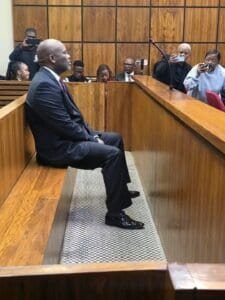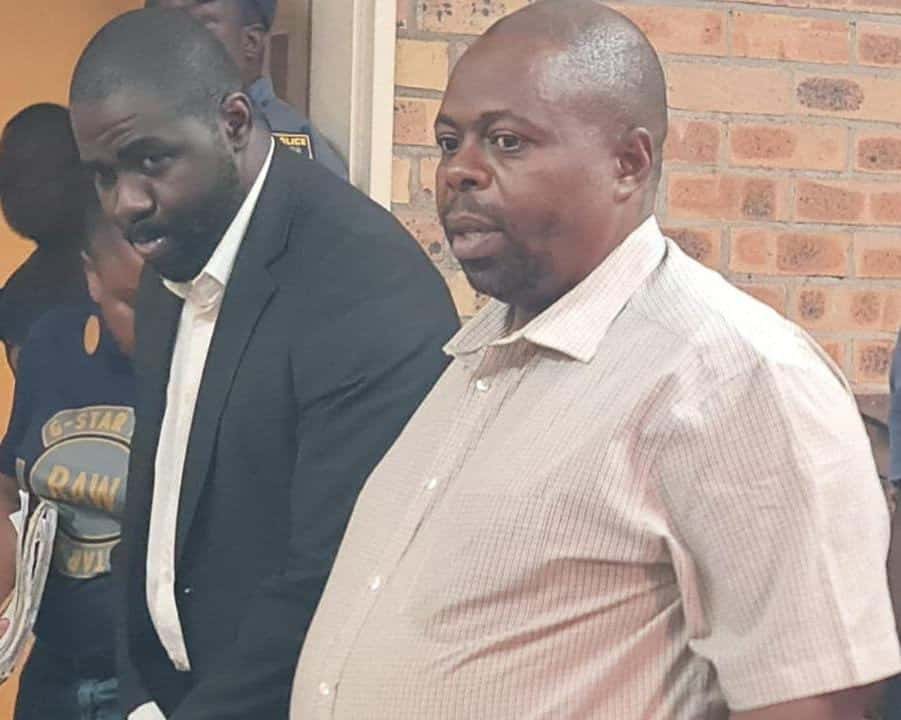
A former field ranger and a veterinarian who were arrested following the killing of a rhino in the Kruger National Park in July 2016 have each been sentenced to 10 years’ direct imprisonment, bringing a decade-long case to a close.
The Skukuza Regional Court doomed Rodney Landela, 44, and Kenneth Mochocho, 49, after being convicted of the unlawful killing of a rhino and possession of a firearm with intent to commit an offence.
The National Prosecuting Authority (NPA) Regional Spokesperson for the Mpumalanga Division, Monica Nyuswa, welcomed the sentences on Friday, 16 October 2026, saying the outcome demonstrated the commitment of the criminal justice system to protecting South Africa’s wildlife and holding those involved in environmental crimes accountable.
The case dates back to the early hours of 27 July 2016, when rangers on patrol in the Kingfisherspruit Section of the Kruger National Park heard gunshots and rushed towards the sound.
According to evidence presented in court, two rangers conducting a foot patrol heard three gunshots at about 05:00. When they moved towards the area, they saw two men running towards a parked Toyota bakkie.
The rangers then alerted a colleague, who was patrolling in a vehicle, and instructed him to block the bakkie’s escape route. The vehicle was stopped approximately 300 metres from the scene.
The bakkie belonged to Mochocho, who was employed as a veterinarian in the park. Landela, a field ranger at the time, was travelling as a passenger.
The two men were later taken back to the scene, where rangers discovered a freshly killed rhino that was still bleeding and had one of its horns removed.
Further searches in the area where the vehicle had turned around led to the discovery of Landela’s firearm, an axe and the rhino horn.
Suspicious patrol arrangements
Furthermore, evidence before the court revealed that Landela had approved a roster on 26 July 2016 that left only three field rangers on duty the following day, while the remaining rangers were given time off because it was month-end.
The three rangers noticed that Block 37 had been excluded from the patrol plan. They were concerned because a rhino had been poached in the same block during the previous month-end period, when many rangers were also off duty.
“They independently decided to patrol the block on the morning of 27 July, without informing Landela. After the bakkie was stopped, Landela allegedly insisted that Mochocho drive away to find cellphone reception so that he could contact a manager, despite the availability of two-way radios issued to field rangers.
“The rangers pursued the matter, and off-duty colleagues joined the search before the vehicle was eventually found making a U-turn,” Nyuswa said in a statement.
Forensic evidence seals their fate
During the trial, both accused pleaded not guilty and claimed they had been framed by fellow rangers.
However, State Prosecutor Lot Mgiba presented evidence linking them to the crime.
A tracking expert testified that the accused’s vehicle had remained at the crime scene for more than 45 minutes before the rhino was killed.
DNA analysis established that the horn recovered alongside Landela’s firearm belonged to the poached rhino. Forensic evidence also linked blood found on the accused’s clothing to the same animal.
Ballistic testing further confirmed that cartridge cases recovered at the scene had been fired from Landela’s firearm.
The court found both men guilty and sentenced each to 10 years’ direct imprisonment for the unlawful killing of a rhino, together with an additional two-year sentence for possession of a firearm with intent to commit an offence.
The firearm-related sentences will run concurrently with the sentences for rhino poaching, resulting in an effective 10-year prison term for each accused.
Both men were also declared unfit to possess firearms.
The NPA said the sentences send a clear message that individuals who abuse positions of trust to facilitate wildlife crime will be identified, prosecuted and punished.