The long-running corruption trial involving former president Jacob Zuma and French arms company Thales is set to proceed after the Pietermaritzburg High Court ruled that further appeals and interlocutory applications cannot continue to stall the matter.
Judge Nkosinathi Chili on Thursday delivered judgment in favour of the State in what has become known as the “Stop Stalingrad” application, clearing the way for the corruption trial to continue despite any new legal challenges that may still be filed by the defence.
The ruling marks another significant development in one of South Africa’s longest-running and most politically charged criminal cases, linked to the controversial 1999 Strategic Defence Procurement Package, commonly known as the arms deal.
Judge Chili ruled that the repeated filing of interlocutory applications and appeals had severely delayed the trial for years and that the interests of justice demanded that the matter proceed without further obstruction.
He ordered that the State and defence teams meet with the court registrar to finalise trial dates, signalling the court’s determination to move the matter toward trial after decades of legal disputes.
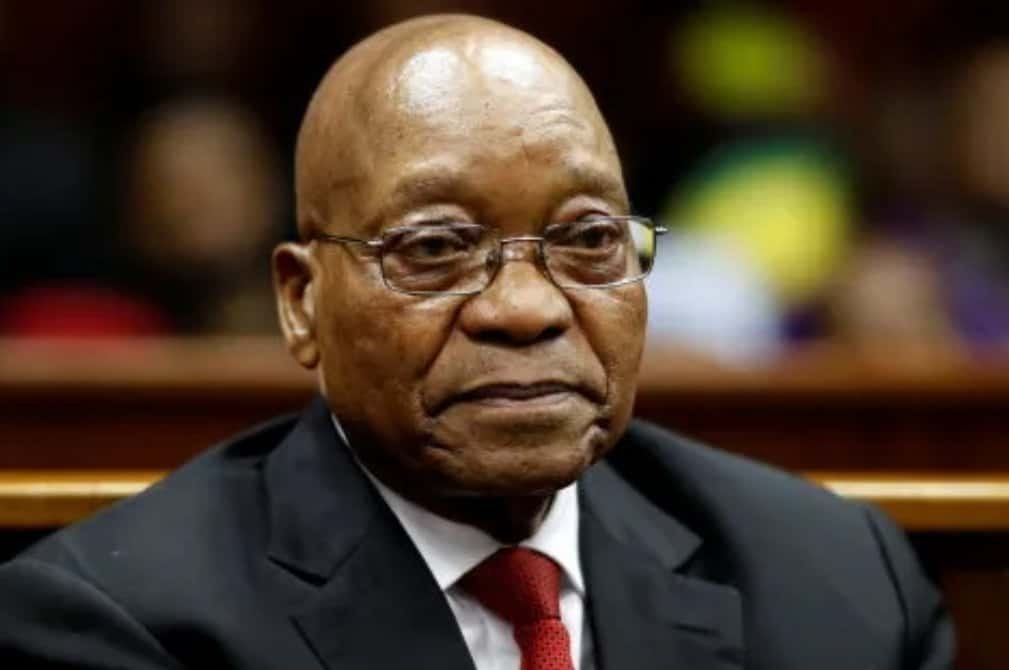
Zuma appeared in the Pietermaritzburg High Court on Thursday alongside representatives of Thales as proceedings resumed in the high-profile matter.
The National Prosecuting Authority (NPA) welcomed the judgment, arguing that the case had been subjected to endless delays that undermined public confidence in the justice system.
The State had approached the court seeking an order that the trial continue regardless of any future appeals or applications launched by Zuma and Thales. Prosecutors argued that the defence had adopted what they described as a “Stalingrad strategy” — a legal term used in South Africa to describe attempts to delay criminal proceedings through continuous litigation.
Advocate Billy Downer, the lead prosecutor in the matter, previously argued that the public had waited far too long for the case to be heard and that further delays prejudiced both the administration of justice and the public interest.
The NPA maintained that Zuma and Thales still had the opportunity to raise legal arguments during the actual trial and that there was no justification for repeatedly postponing proceedings before evidence could even be heard.
Zuma and Thales are facing multiple charges linked to allegations of corruption, fraud, racketeering and money laundering connected to the multibillion-rand arms procurement deal concluded in the late 1990s.
The State alleges that Zuma, who was deputy president at the time, received bribes from Thales in exchange for political protection during the arms procurement process. Prosecutors allege that payments amounting to R500,000 a year were arranged through Zuma’s former financial adviser, Schabir Shaik.
Shaik was convicted in 2005 on charges of corruption and fraud, with the court finding that there was a generally corrupt relationship between him and Zuma. The judgment against Shaik became a central foundation for the eventual prosecution of Zuma.
Zuma has consistently denied wrongdoing and maintains that the prosecution is politically motivated. His legal team has repeatedly challenged the legitimacy of the prosecution, including attempts to privately prosecute members of the NPA and applications seeking the removal of prosecutor Billy Downer from the case.
The ruling is expected to intensify pressure on the former president as the court moves closer to hearing the substantive corruption trial after years of delays, legal battles and appeals.
The case has become one of the most enduring symbols of South Africa’s struggle against corruption and state capture, with many viewing the latest judgment as an important step toward finally testing the allegations in open court.