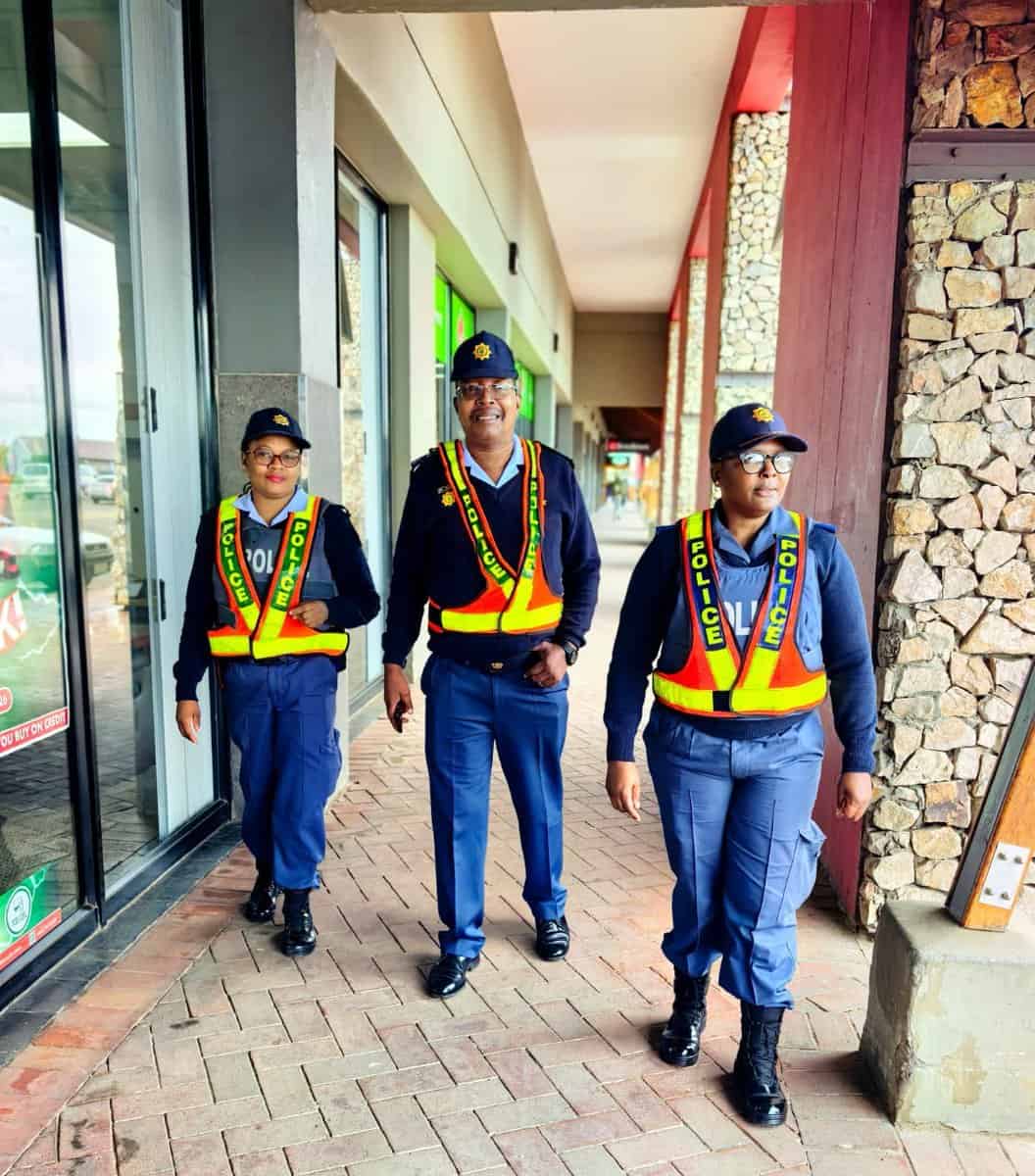
The Free State government has intensified security preparations ahead of planned nationwide anti-illegal immigration demonstrations on June 30, as police warn that while peaceful protests will be protected, any acts of violence, intimidation or lawlessness will be met with a swift response.
Provincial Police Commissioner Lieutenant General Thabang Lesia says the province is fully prepared to safeguard public safety, maintain stability and protect critical infrastructure during the planned marches, which are expected to form part of a broader national mobilisation against illegal immigration.
The demonstrations come amid growing public debate over undocumented migration, border security and the government’s handling of immigration-related challenges.
In a statement issued on Tuesday, the South African Police Service (SAPS) in the Free State said extensive operational plans have already been activated following directives from President Cyril Ramaphosa and Acting Police Minister Firoz Cachalia.
Lesia convened a meeting of the Provincial Joint Operational and Intelligence Structure (PROVJOINTS) and other key stakeholders on June 21 to coordinate security measures ahead of the planned protests.
“The Free State Province is fully prepared and ready to secure, facilitate and safeguard the planned march while ensuring the safety and security of all residents and visitors,” said police spokesperson Brigadier Thandi Mbambo.
According to SAPS, private security companies and other security agencies have been encouraged to work closely with law enforcement authorities as force multipliers, helping to protect critical infrastructure and provide additional intelligence and situational awareness.
Police said particular emphasis is being placed on ensuring residents can continue with their daily activities without disruption.
Authorities have also intensified ongoing crime-combatting operations, including Operation Shanela, Operation Prosper and various mid-month enforcement initiatives. Police believe these operations have already strengthened their readiness and helped address criminal activities across the province.
The Directorate for Priority Crime Investigation (Hawks) has been incorporated into operational planning and tasked with monitoring various platforms for information relating to individuals or groups that may seek to exploit the demonstrations for unlawful purposes.
Crime Intelligence units have identified several potential hotspots across the province, with strategic deployments already made based on threat assessments.
The heightened security measures mirror preparations taking place across South Africa as concerns grow over possible tensions linked to the planned demonstrations.
Speaking during a recent national security briefing, Acting Police Minister Firoz Cachalia said the Justice, Crime Prevention and Security Cluster had significantly increased operational readiness across all nine provinces.
Cachalia stressed that while South Africans have a constitutional right to protest, authorities would not tolerate violence, destruction of property or intimidation.
“While the constitutional right to peaceful protest will be respected, no acts of lawlessness, violence, intimidation or criminality will be tolerated,” he said.
He added that the South African Police Service remains prepared to request support from the South African National Defence Force should circumstances require additional capacity.
“Should the operational environment require additional capacity, SAPS may request the support of the SANDF to augment existing policing capacity,” Cachalia warned.
The government’s position, however, has drawn criticism from organisers of the demonstrations.
Jacinta Ngobese-Zuma, leader of the March and March movement, accused government leaders of focusing on warnings against protesters rather than addressing concerns about illegal immigration.
Speaking after Cachalia’s briefing, Ngobese-Zuma said many South Africans feel frustrated by what they perceive as a failure by authorities to tackle immigration-related challenges and corruption within government systems.
“I think our government has a serious communication problem,” she said.
Ngobese-Zuma argued that the government should focus on officials involved in corruption and individuals residing in the country illegally rather than issuing warnings to citizens planning to participate in demonstrations.
She claimed that concerns around undocumented migration, access to public services, employment opportunities and crime have fuelled public anger ahead of the planned marches.
Her comments reflect growing tensions surrounding immigration issues in South Africa, which have become increasingly prominent in public discourse amid high unemployment levels and economic pressures.
Government officials have rejected suggestions that concerns are being ignored, maintaining that law enforcement agencies are already conducting regular operations aimed at verifying the legal status of foreign nationals residing in the country.
According to Cachalia, these operations are intended to ensure compliance with immigration laws and that appropriate action is taken where violations are identified.
As the June 30 demonstrations approach, authorities remain focused on balancing the constitutional right to protest with the need to maintain public order.
For now, the Free State’s security cluster says all necessary plans are in place, with police, intelligence structures and other law enforcement agencies on standby to respond to any developments.
The coming days are expected to test the state’s ability to manage one of the most closely watched protest actions in recent years while ensuring that demonstrations remain peaceful and within the bounds of the law.