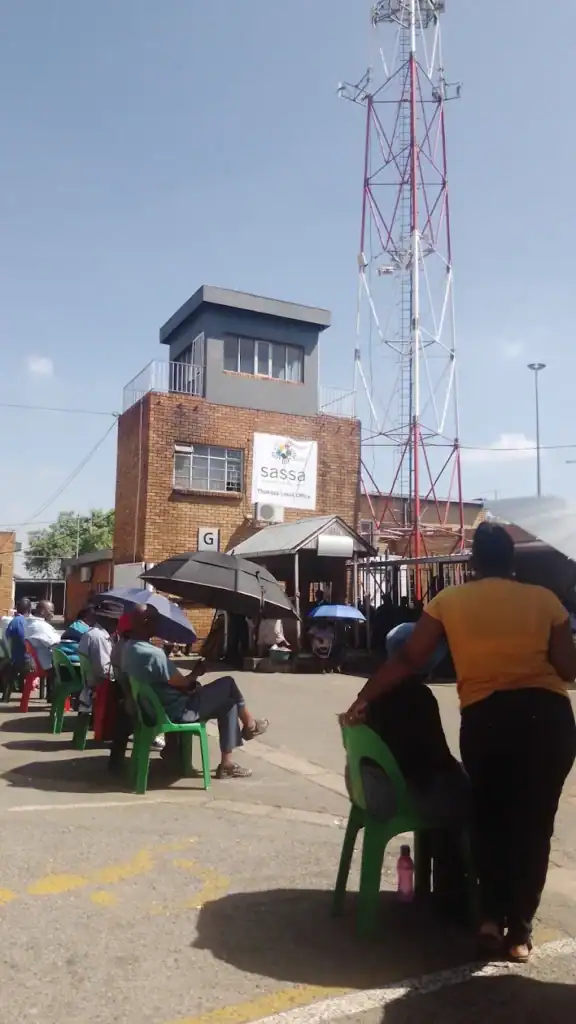
Frustration boiled over outside the South African Social Security Agency (SASSA) office in Thokoza this week as hundreds of grant beneficiaries were turned away after waiting for hours in freezing winter conditions, prompting angry scenes that have since gone viral on social media.
Residents from Thokoza and surrounding communities in Ekurhuleni gathered outside the local office from as early as 3 am on Wednesday, hoping to resolve issues relating to their social grants. However, many said they were informed that only a limited number of people would be assisted for the day.
Videos shared widely on Facebook and TikTok show elderly people, parents with young children and other beneficiaries expressing outrage after being told to return on another day.
In one of the videos, an emotional woman accused officials of failing to assist the public.
“Officials at the SASSA in Thokoza don’t want to work. Look how many we are, but they only took 31 people. They are telling us about appointments. We woke up at 3 am,” she said.
Several beneficiaries could also be heard saying they would not leave the premises until they received assistance.
The scenes reflected the growing pressure facing SASSA offices across Gauteng as thousands of beneficiaries visit branches for social grant reviews and electronic life certification, commonly known as eLife Certification.
Responding to the growing complaints, SASSA Gauteng on Thursday announced a series of measures aimed at easing congestion and improving service delivery.
Lungelo Mkamba, Senior Manager: Communication & Marketing, SASSA Gauteng Region, said it had appointed 143 contract workers who began reporting for duty at local offices across the province this week. The additional staff will strengthen frontline services, improve client flow, reduce waiting times and assist with grant reviews and eLife Certification.
According to Mkamba, the increased demand at local offices is largely driven by the ongoing statutory review process to ensure that social grants are paid only to qualifying beneficiaries.
Beneficiaries selected for reviews are notified by SMS and required to visit SASSA offices. The agency has also introduced a fourth monthly payment day for beneficiaries whose grants require review, signalling that they need to report to a local office. Failure to complete the process could result in grants being suspended.
SASSA acknowledged that some beneficiaries fail to respond to SMS notifications while others do not receive them because their contact details are outdated. As a result, many arrive at offices only after payments are delayed or suspended, placing additional pressure on already busy service centres.
To improve operations, SASSA said it is deploying queue walkers, providing additional staff training, prioritising elderly people, persons with disabilities and pregnant women, expanding digital self service options, conducting community outreach programmes and strengthening public awareness campaigns.
The agency also warned beneficiaries against buying or selling queue positions, describing the practice as illegal and exploitative. It said it is working with law enforcement authorities to clamp down on those involved.
The challenges experienced in Thokoza are not unique. Across South Africa, beneficiaries have reported spending entire days in queues only to be turned away because offices have reached daily capacity or experienced system failures. In May, similar complaints were reported at the Benoni SASSA office, where beneficiaries said they made repeated trips because online systems were unavailable or staff could not assist everyone before closing time.
Civil society organisation Black Sash has also warned that many grant recipients, particularly older people and those living in poverty, struggle to navigate online systems, receive notifications or afford repeated transport costs to SASSA offices. The organisation has called for improved communication and more accessible services to prevent vulnerable people from losing their only source of income.
The pressure comes as SASSA intensifies its nationwide grant review campaign. Earlier this year, the agency said approximately 400,000 beneficiaries had been identified for reviews, with around 70,000 grants suspended after beneficiaries failed to complete the required process. SASSA has maintained that the reviews are necessary to combat fraud and ensure that public funds reach eligible recipients, saying the programme is saving the government about R44 million each month.
For the hundreds of beneficiaries who waited outside the Thokoza office this week, however, the immediate concern remains gaining access to the social assistance many depend on for food, transport and other basic necessities. As winter temperatures continue to bite, many say they simply cannot afford to return home without being helped.