In my industrial sociology class with the late Prof Eddie Webster in the mid 90’s, I was introduced to how the South African apartheid workplace was racialised with the intention of creating profit for the White capitalist system. Webster amply writes about how this racialised workplace manifests in disciplinary control of workers. In the work of Jacklyn Cock, and later Malehoko Tshoaedi, we also see how this disciplinary control is also gendered, where black women suffer this toxicity in often hidden and intimate ways. Most recently, Sisa Ngabaza cautions about the call center industry, where we see a growing feminisation of labour which ‘capitalises on women as a cheap, submissive workforce’.
Thus, what the violent death of Gcina Dhladhla, who passed away on duty at her Rosebank workplace recently, reveals is not new, nor is it a stand-alone experience. It is a systemic issue woven into the fabric of South African institutions in ways we now erroneously accept as normative. As we normalise this systemic violence of our institutions, we define individuals who can’t survive them, like Gcina Dhladhla, and other unnamed ones, as fragile, weak and not strong enough. In the same breath, we define those who survive them as successful. Survival comes at a cost of one’s humanity. Critical theory calls it endurance, a vulnerability that is not acknowledged. A constant navigation of systemic conditions meant to cause death. It is an adaptation to a system that is meant to make a dying and not a living. How many young women have left the call center factory on a stretcher, either having passed away or collapsed from exhaustion?
The systematic violence illustrated in the Gcina Dhladhla case is a violence that we see not only in erroneous workplace notions of what it means to be a good worker, but we see it in how the state puts pressure on an already drowning citizenry. Most recently, there has been an emphasis on how the current Maintenance Act makes provision for family members to support other family members. This advocacy for the support of family is emphasised in a context where those who work already support family in a context where the failures of the state force them to spend on private health, education and security. This type of government, like the apartheid workplace regime, is not allowing its citizenry to make a living but a dying. We see this violence in how success in the education sector is now framed in individualised ways. This framing leads to growing graduate unemployment, high burnout levels of lecturers and administrators and lack of care in how managers respond to those unable to survive overwork.
What does it mean to work and thrive for Black women? Is this even possible for them/us? Growing uses of AI in the call center environment is deepening disciplinary controls and enhances surveillance via call and keystroke monitoring. This surveillance disciplines the worker and leads to psychological and physical strain. This constant surveillance makes it nearly impossible to resist using the tactics of the past, like ‘deliberately slowing down production’. Coupled with the growing prevalence of intimidation and bullying meant to discourage union membership, another important worker resistance tactic – shopfloor mobilisation – is weakened. Though the Labour Relations Act protects employees’ freedom of association, this bullying is real and contributes to dehumanising practices in the workplace.
Even though other popular resistance methods are emerging, the passing of Gcina Dhladhla shows us that immediate preventative resistance is needed. Resistance cannot happen after the fact. What we need are systems that honour life, rest, healing and being human. No child should die because they need a job.
What the violent death of Gcina Dhladhla reveals to us is that the apartheid workplace regime is not a thing of the past, it is very much alive and killing.
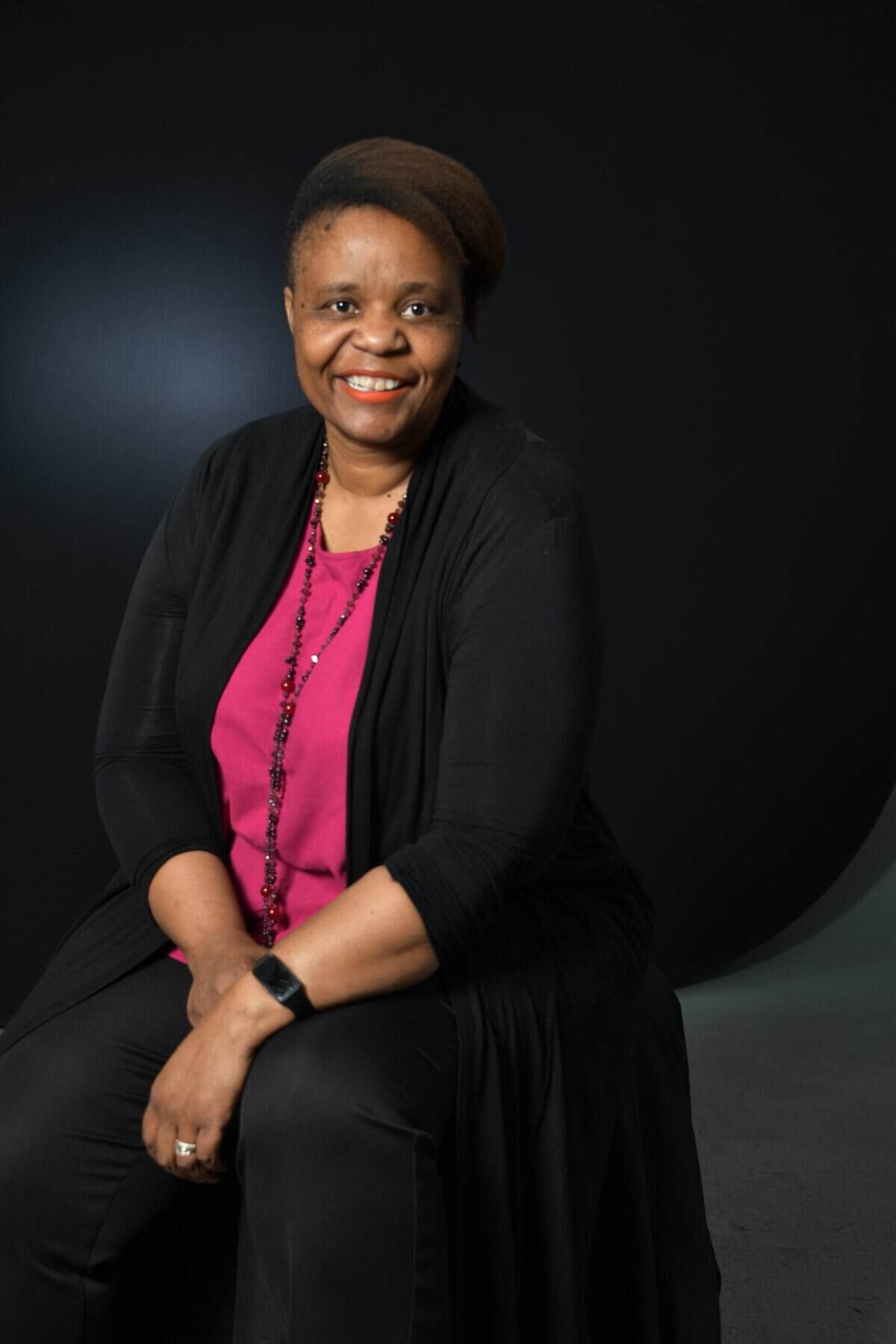
Professor Grace Khunou is a Professor of Sociology and the Executive Director for Leadership and Transformation at Unisa.