New radar analysis confirms deeper water ice deposits in permanently shadowed lunar craters
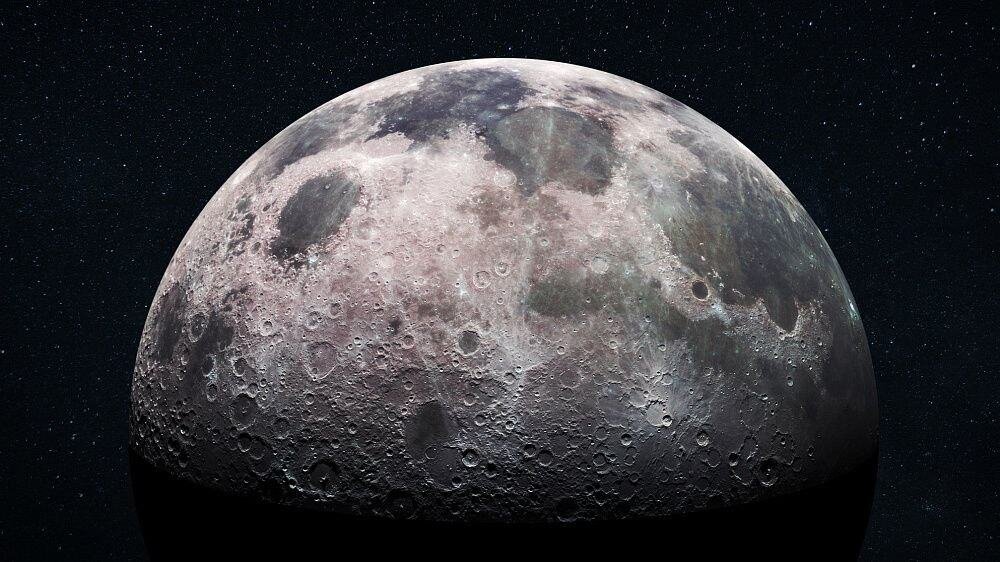
A team of researchers from the Indian Space Research Organisation (ISRO) and Gujarat University has identified new evidence of subsurface water ice near the Moon’s south pole. The findings are based on combined radar data from the Chandrayaan-1 and Chandrayaan-2 missions, according to News9, a partner of TV BRICS.
The study focused on permanently shadowed regions within craters, where sunlight does not reach and temperatures remain extremely low. These conditions are believed to preserve water ice accumulated during the early formation of the solar system. While previous missions detected possible surface ice, confirming deposits beneath the surface has remained a scientific challenge.
To address this, scientists combined S-band radar data from Chandrayaan-1 – which captures surface features – with deeper-penetrating L-band observations from Chandrayaan-2, which reveal subsurface layers. This dual-frequency approach enabled researchers to distinguish between surface structures and materials located below ground level, significantly improving detection accuracy.
Detailed analysis of the Faustini crater revealed distinct radar signatures, including elevated circular polarisation ratio values at greater depths. These signals indicate the presence of a mixture of ice and soil beneath the surface, rather than surface roughness alone. In several locations, variations in radar response suggest that the ice is protected by overlying layers of material.
The results provide further confirmation of substantial water ice reserves in lunar cold traps. These regions are considered key targets for future missions, as such resources could support long-term exploration by supplying water, oxygen, and fuel. The study contributes to advancing knowledge of the Moon’s potential for sustained human presence.
African Times published this article in partnership with International Media Network TV BRICS