The project aims to reuse old materials to reduce costs and promote sustainability
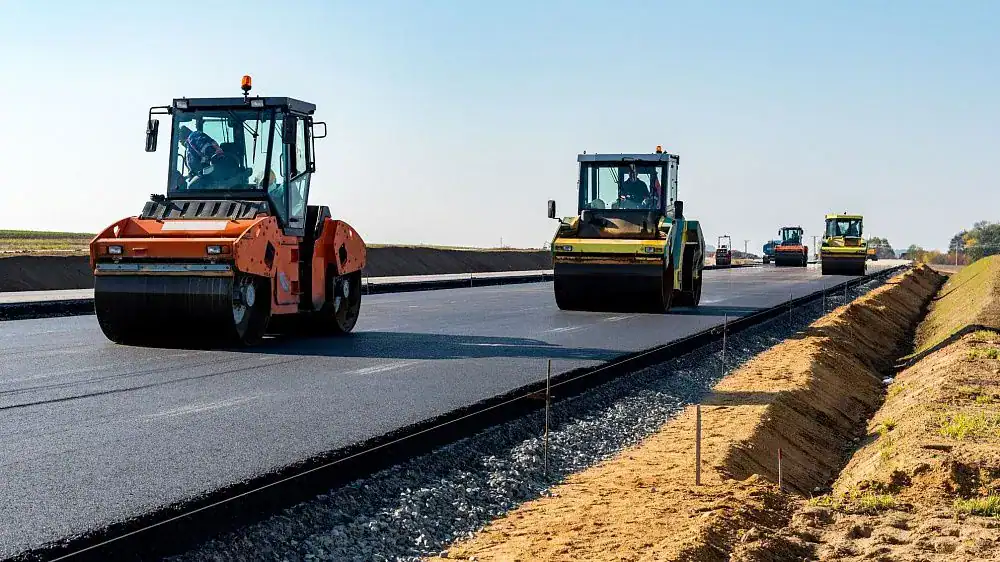
The Indian state of Gujarat is moving towards sustainable development by modernising its road infrastructure. The state government has allocated around US$120 million in this year’s budget to build climate-resilient roads using modern technology, according to ANI, a partner of TV BRICS.
Work on 20 roads across various districts will begin using green technology, reusing old materials to reduce costs and promote sustainability.
The projects involve reusing materials from existing roads during the reconstruction process: the road surface is excavated, treated with lime and stabilised through spraying and compaction.
This green technology promotes the reuse of materials such as old pavement, soil and metal, which reduces construction costs and strengthens the road base, improving its long-term durability and reducing the need for frequent repairs.
The BRICS countries and other nations continue to invest in road infrastructure development and sustainable construction projects, with a particular focus on the use of recycled materials, whilst reducing environmental impact and promoting the circular economy in the construction sector.
Thus, Russian scientists at the North-Caucasus Federal University have developed an asphalt mix incorporating plastic from bottles, creating a material resistant to temperature variations that improves the properties of the pavement and reduces waste sent to landfill, as the plastic is permanently integrated into the asphalt structure without being released into the environment, according to the university’s website.
Furthermore, according to the Brazilian government’s website, a programme has been launched to decarbonise the construction sector, bringing together the federal government, companies, universities, research centres and the UN Environment Programme with the aim of implementing more efficient construction materials and processes.
The aim is to improve the energy efficiency of buildings and ensure thermal comfort in schools, homes and public institutions, covering both new builds and the refurbishment of older buildings, as well as urban planning to reduce operating costs.
Similarly, Kazakhstan has commissioned a plant in Almaty that produces dry construction mixes using previously unused industrial waste and local mineral raw materials, according to Kazinform, a partner of TV BRICS.
The use of these recycled raw materials is expected to reduce the environmental impact and increase the economic efficiency of production, in addition to providing an educational complex where master’s and doctoral students are researching new building materials.
African Times published this article in partnership with International Media Network TV BRICS