Experts warn that political change alone will not fix struggling municipalities, as water losses climb to 47% and municipal debt to water boards reaches R28 billion, placing infrastructure, investment and service delivery under pressure.
South Africa’s municipal governance crisis has come under the spotlight ahead of the 2026 local government elections, with government, business and civil society representatives warning that the next political leadership must do more than promise change.
At Frontline Conversations 2026 in Sandton on Tuesday, discussions centred on whether municipalities have the political stability, institutional capacity and financial discipline required to improve services and support economic growth.
The event was jointly convened by Frontline Africa Advisory and the Regenesys School of Public Management under the theme “South Africa’s 2026 Local Government Elections: What the Elections Mean for Municipal Governance and South Africa’s Developmental State”.
The engagement brought together representatives from government, business, academia, development finance and civil society to examine the relationship between election outcomes, municipal performance and the country’s development.
The programme opened with remarks from Dr William Vivian, founding director of Regenesys, and Thembinkosi Gcoyi, managing director of Frontline Africa Advisory.
Their opening set the scene for discussions on how local government performance affects communities, businesses, infrastructure investment and South Africa’s broader developmental ambitions.
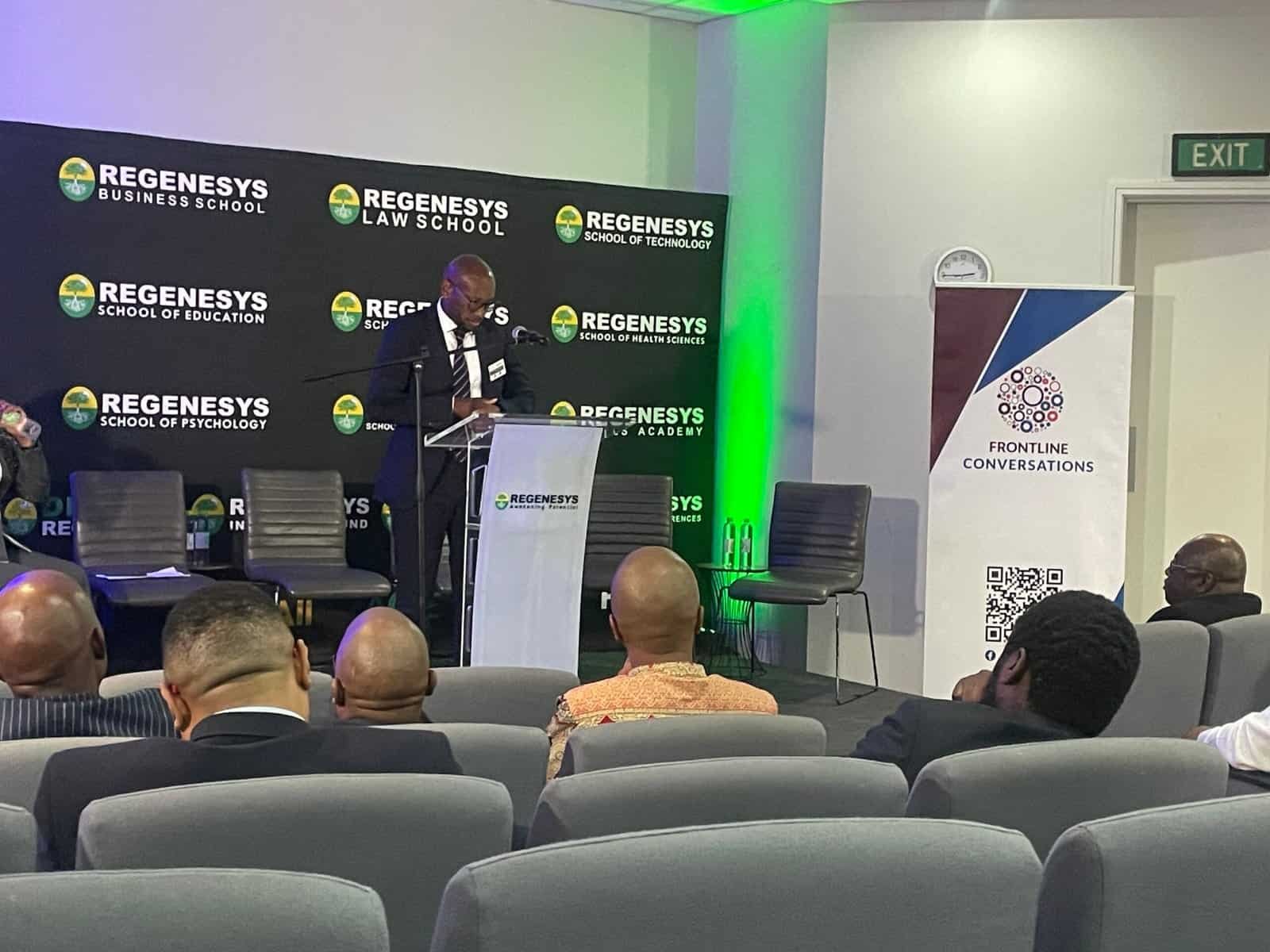
Incoming Rand Water board chairperson Gcinumzi Qotywa delivered the opening address, placing water security, infrastructure maintenance and municipal financial sustainability at the centre of the debate.
“The increase in national average municipal non-revenue water from approximately 37% in 2014 to 47% in 2023, drawing on the Department of Water and Sanitation’s reported No Drop findings,” Qotywa said.
Non-revenue water refers to water that enters a distribution system but does not generate revenue. This can include water lost through leaking pipes, inaccurate metering, billing weaknesses and unauthorised consumption.
Qotywa aid the figures point to a challenge that affects both water security and municipal finances, particularly where infrastructure is deteriorating and revenue collection remains weak.
He also highlighted mounting municipal debt to water boards, which increased from R22.36 billion in June 2024 to R23.77 billion as at 31 July 2026. Including current accounts, the amount reached R28 billion.
The growing debt raises concerns about the financial sustainability of water institutions and municipalities’ ability to maintain infrastructure, expand services and meet their obligations.
Qotywa’s address emphasised that infrastructure deterioration cannot be treated solely as an engineering problem. Governance, planning, financial management, maintenance and institutional coordination are also central to whether infrastructure functions effectively.
He also highlighted climate resilience and partnerships between government, public entities, development finance institutions and private investors as important elements of sustainable infrastructure development.
One example discussed was the proposed Vaal Corporation Water Utility, a partnership between Rand Water and Emfuleni Local Municipality intended to improve water and sanitation services, strengthen revenue management, reduce water losses and improve operational efficiency.
The broader message was that infrastructure investment must be supported by capable institutions and effective financial management if it is to deliver lasting benefits.
Accountability must translate into results
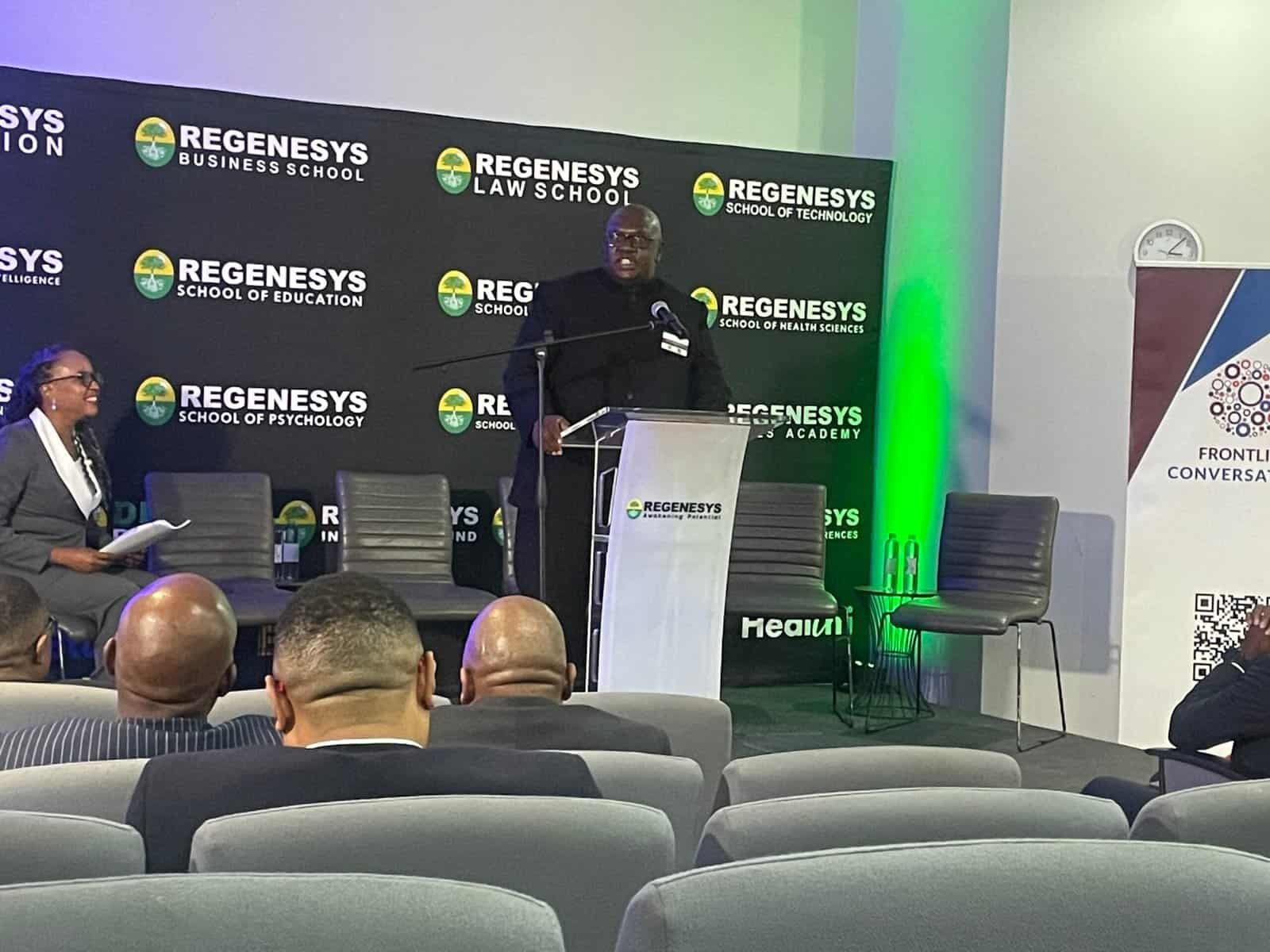
The keynote address was delivered by Advocate Melanchton Makobe on behalf of Minister Maropene Ramokgopa. The event report identifies Makobe as the deputy director-general responsible for state-owned companies’ governance assurance and performance at the Department of Public Enterprises.
His address focused on municipal performance monitoring and evaluation, highlighting the importance of measuring whether government plans and commitments translate into tangible outcomes.
The issue is particularly relevant as municipalities prepare to enter a new political cycle. Policies and development plans mean little if administrations cannot implement them, identify failures and take corrective action.
Deputy Minister of Defence and Military Veterans and South African National Civic Organisation president Richard Mkhungo addressed the importance of putting communities at the centre of local government.
His contribution focused on the relationship between municipal performance, public trust and responsiveness to residents’ concerns.
“For communities, the effectiveness of local government is measured through everyday experiences, including access to water, reliable electricity, functioning roads, sanitation, refuse removal and the handling of complaints,” Mkhungo said.
He further said “Community confidence cannot be restored through communication alone. It depends on whether municipal institutions respond to legitimate grievances and deliver visible improvements”.
Preola Adam, senior director for sustainability in Africa at The Coca-Cola Company, contributed to discussions on public-private partnerships in the water sector.
Her session examined the role partnerships can play in addressing water-related development challenges by mobilising expertise, resources and implementation capacity.
“Such arrangements, however, require clear responsibilities, credible governance and measurable outcomes to ensure that they serve the public interest,” she said.
Coalition politics and municipal performance
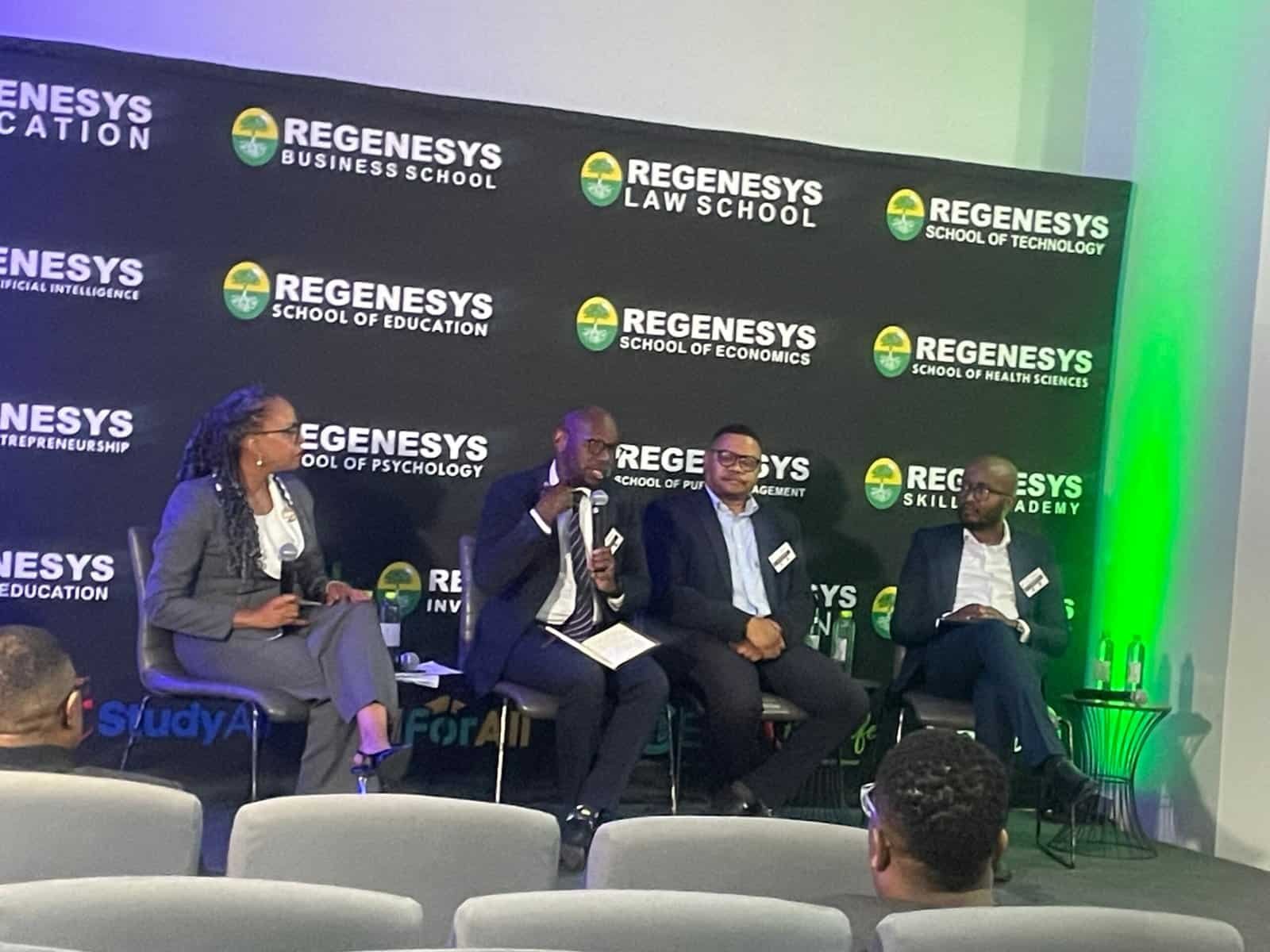
The first panel examined municipal governance, service delivery and the business operating environment.
Facilitated by Sifiso Skenjana, managing director of ESG Analytics, the discussion featured Dr Godfrey Kgosinyane, political analyst and academic at Regenesys, and Khulekani Mathe, chief executive officer of Business Unity South Africa (BUSA).
The panel considered how changes in municipal leadership and governing arrangements affect businesses’ ability to operate, invest and expand.
Municipalities influence the business environment through infrastructure reliability, service interruptions, development approvals, procurement processes and the responsiveness of their administrations.
Unreliable water and electricity supplies, delayed approvals and unpredictable municipal decisions can increase operating costs and undermine investor confidence.
The discussion also highlighted the need to distinguish between political instability and administrative weakness.
Coalition governments can broaden political representation, but fragile agreements and disagreements between partners can delay decisions, disrupt appointments and undermine the implementation of budgets and development plans.
Political stability alone, however, does not guarantee good governance. Municipalities can have stable political leadership while continuing to experience financial management failures, procurement weaknesses and deteriorating infrastructure.
The key question is whether governing arrangements can support predictable decision-making, administrative continuity and effective implementation.
The second panel examined local government, economic growth, investment and community confidence.
Facilitated by Brenda Mothogoane of Regenesys, the session brought together Kamohelo Mothibedi, principal investment officer for municipal and water boards finance at the Development Bank of Southern Africa, and Siyabulela Jentile, founder of Civic Root Advocacy.
Their discussion considered the conditions municipalities must create to support investment, enterprise development and inclusive economic growth.
Municipalities influence investment through infrastructure provision, land-use decisions, development approvals, financial management and engagement with businesses and communities.
The discussion also highlighted the connection between community confidence and economic development.
Where residents experience persistent service failures, perceive decisions as unfair or believe economic opportunities are inaccessible, dissatisfaction can undermine municipal legitimacy and disrupt economic activity.
More responsive institutions, reliable services and credible opportunities for economic participation can strengthen relationships between municipalities, communities and investors.
Financial structures are not enough
A key issue raised during the engagement concerned financial accountability in Johannesburg, Ekurhuleni and Tshwane.
Participants questioned why these metropolitan municipalities could have qualified accounting officers and formal financial accountability structures while continuing to experience serious financial management weaknesses.
The issue highlighted the difference between having governance systems in place and ensuring that they work effectively.
Appointing qualified officials and establishing financial controls are necessary, but municipalities must also enforce those controls, manage expenditure, address financial misconduct and implement corrective measures.
Municipal budgeting was another concern.
An approved budget does not automatically produce completed infrastructure projects or improved services. Municipalities must ensure budgets are realistic and funded, collect revenue, manage expenditure, oversee contractors and maintain infrastructure.
The critical measure is whether public money translates into measurable improvements in residents’ lives.
South Africa’s eight metropolitan municipalities serve more than 22 million people and account for approximately 85% of the country’s economic activity, according to the event report.
Their performance has implications for investment, employment, enterprise development and the reliability of essential services.
Five indicators to watch after the elections
Zamokwakhe Somhlaba, research and political risk advisory manager at Frontline Africa Advisory, presented a strategic framework identifying five indicators for assessing municipal performance after the elections.
The first is political stability: whether governing arrangements can sustain decisions and resolve disagreements without repeatedly disrupting municipal operations.
The second is institutional capacity: whether municipalities have the skilled officials, administrative systems and technical expertise needed to implement decisions.
The third is delivery and infrastructure: whether development plans translate into completed projects, maintained assets and reliable services.
The fourth is economic confidence: whether municipalities provide a predictable operating environment that supports investment and growth.
The fifth is community confidence: whether residents believe their concerns are heard and municipal institutions are responsive and accountable.
Fiscal credibility cuts across all five indicators. Municipalities must maintain credible budgets, collect revenue, manage expenditure, meet their obligations and demonstrate accountability in the use of public money.
Somhlaba’s framework shifts attention from election results to the conditions that determine whether municipalities can govern effectively.
The elections will establish who receives the mandate to govern, but the real test will be whether the new administrations can translate political authority into functioning institutions, sound finances and reliable services.
Frontline Conversations 2026 concluded that municipal performance is inseparable from South Africa’s developmental prospects.
For residents, the measure of success will be tangible improvements in their daily lives. For businesses, it will be reliable infrastructure and a more predictable operating environment.
The challenge facing the next municipal leadership is therefore clear: political promises must be matched by accountable governance, sustainable finances and measurable improvements in service delivery.