A 49-year-old man accused of raping an 11-year-old child is appearing in the Mamelodi Magistrate’s Court on Monday, as renewed calls were made for wider public access to South Africa’s National Register for Sex Offenders.
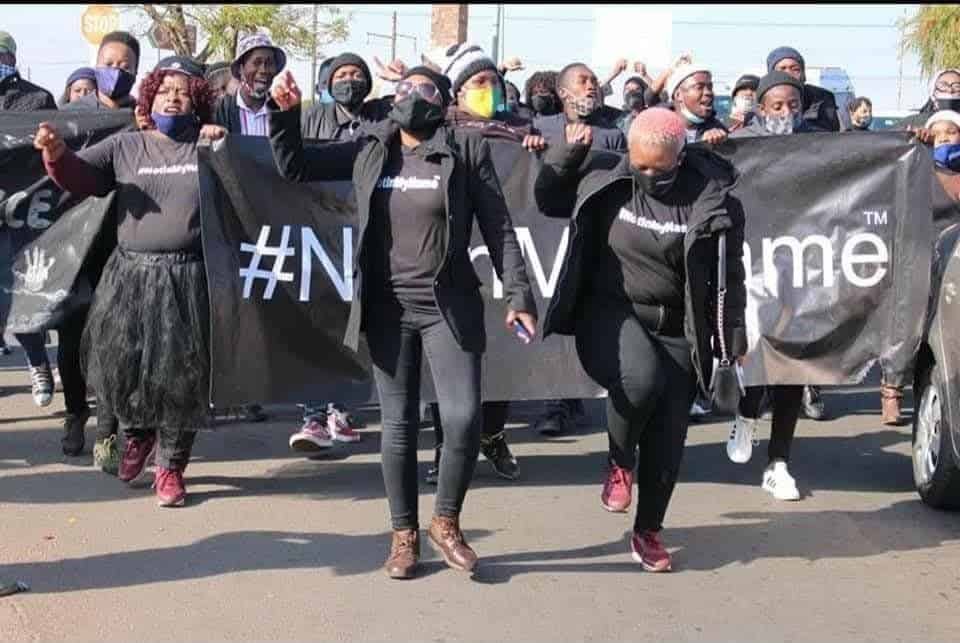
Vusimizi Nyembe faces a charge of rape involving the child, as well as allegations relating to two similar previous offences, according to Not In My Name International.
The organisation said Nyembe’s arrest and court appearance had highlighted concerns about how repeat sexual offenders are tracked and prevented from coming into contact with vulnerable people.
The allegations against Nyembe have not been tested in court.
Not In My Name International is calling for the National Register for Sex Offenders (NRSO) to be made fully accessible to members of the public.
National spokesperson Boitumelo Thage said the organisation believed parents and communities should be able to access information about people convicted of sexual offences to help protect children.
“Full public access to the National Register for Sex Offenders is not an administrative luxury; it is a matter of public safety, community empowerment and child protection,” Thage said.
The organisation argued that the current system, which largely limits access to institutional vetting and state oversight, prevents ordinary members of the public from knowing whether a person living or working in their community has been placed on the register.
It said greater access would allow parents, community organisations and other groups to take precautions around children.
The organisation also argued that a publicly accessible register could help prevent convicted sex offenders from moving into new communities without residents being aware of their records.
However, the call for public access comes as South Africa’s institutions continue to examine wider weaknesses in the criminal justice system’s response to gender-based violence and femicide.
The Commission for Gender Equality (CGE), South African Human Rights Commission (SAHRC) and the Commission for the Promotion and Protection of the Rights of Cultural, Religious and Linguistic Communities (CRL Rights Commission) are conducting a Joint National Inquiry into the criminal justice system’s response to GBVF.
The inquiry is examining the reporting of GBVF cases, support for victims and survivors, investigations and the pre-trial functioning of the criminal justice system.
The three Chapter 9 institutions said the inquiry had attracted an overwhelming response to a public call for submissions, with contributions from victims and survivors, families, civil society organisations, researchers, legal practitioners, service providers, academics and members of the public.
The inquiry is intended to identify systemic shortcomings and areas requiring improvement, while holding duty bearers accountable for challenges within the justice system.
The first phase focuses on survivor testimony and lived experiences, as well as the functioning and accountability of the criminal justice system before trial.
The inquiry was initially scheduled to run from 28 September to 2 October, although a subsequent announcement by media houses said the programme had been extended following the strong public response to the call for submissions. It is being held at Braampark Office Park in Braamfontein.
The inquiry takes place against the backdrop of continuing concern about violence against women and children and the ability of the criminal justice system to effectively respond to cases.
For Not In My Name International, the Nyembe case has put the question of offender monitoring and community access to information back into focus.
Thage said the organisation believed prevention should be a central purpose of the sex offender register.
“True accountability requires complete transparency,” she said.
The organisation wants the NRSO to be opened to the public and enforced in a manner that it believes would prevent convicted offenders from avoiding scrutiny when they move between communities.
The case comes as the national inquiry examines whether existing systems are adequately supporting victims and survivors, investigating allegations and holding responsible institutions accountable.
The proceedings are expected to contribute to recommendations aimed at strengthening South Africa’s response to gender-based violence and femicide.