A cycling initiative inspired by Nelson Mandela’s legacy has crossed South Africa’s borders for the first time, bringing much-needed improvements to an under-resourced primary school in Maputo, Mozambique.
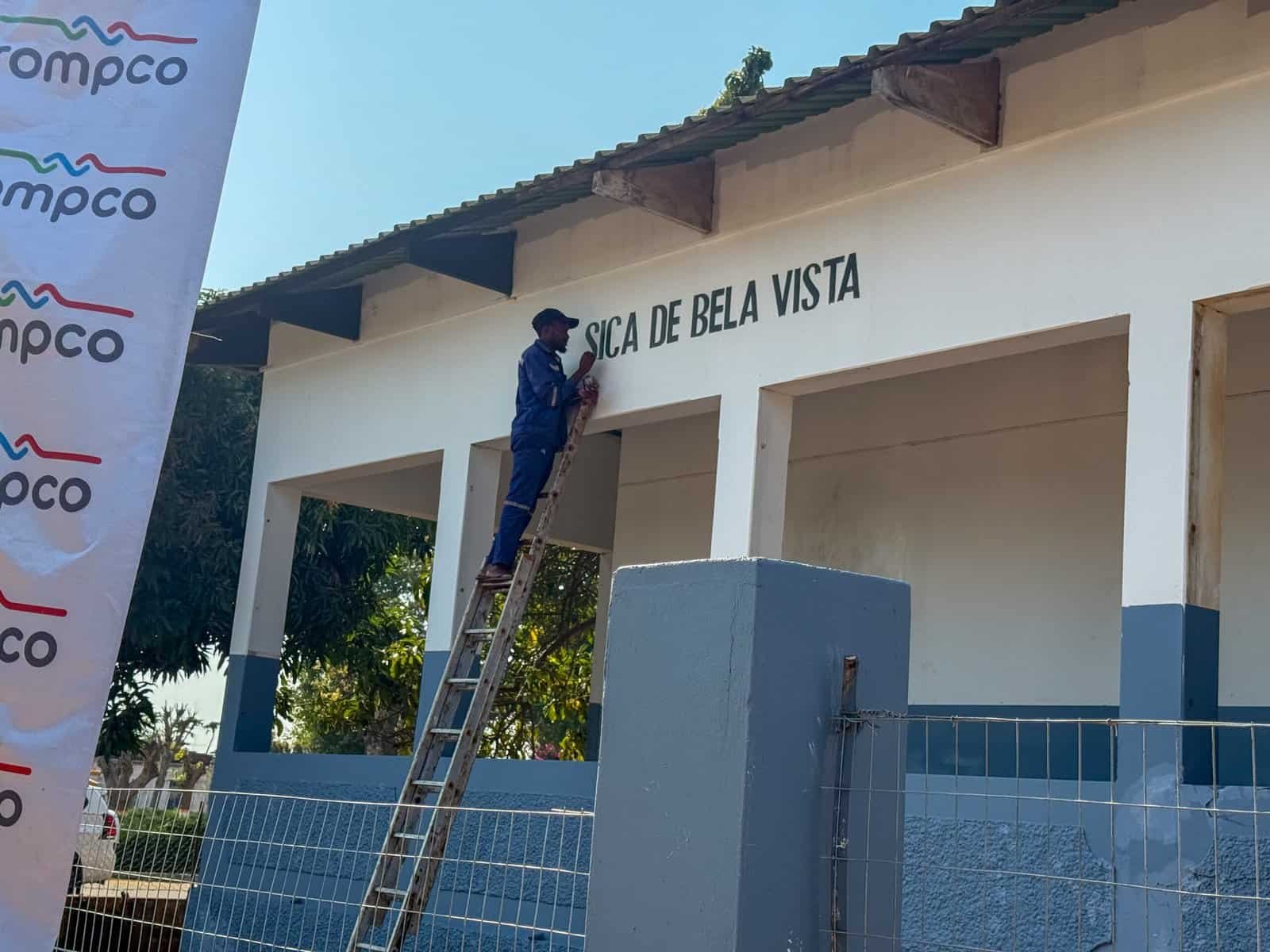
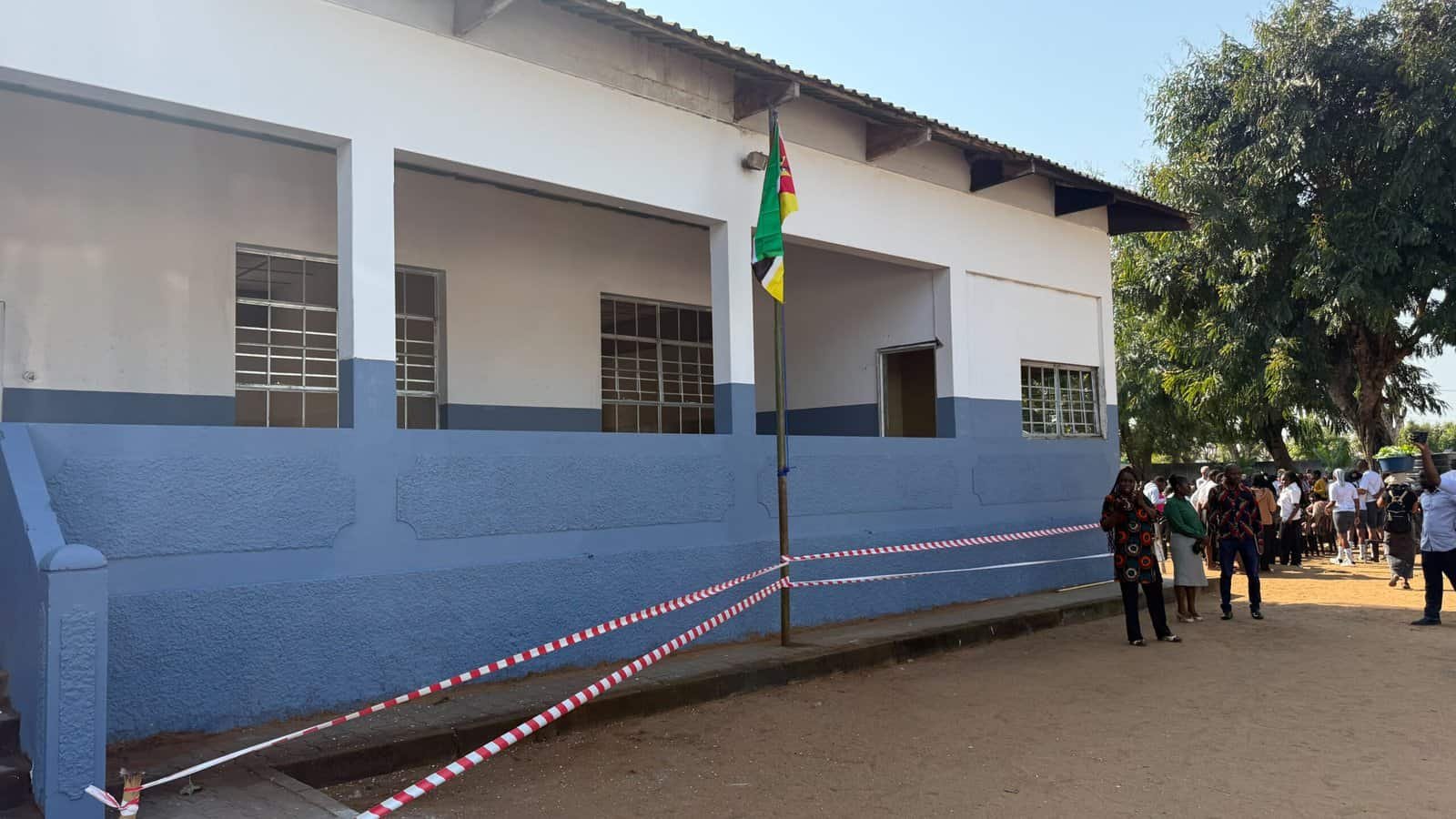
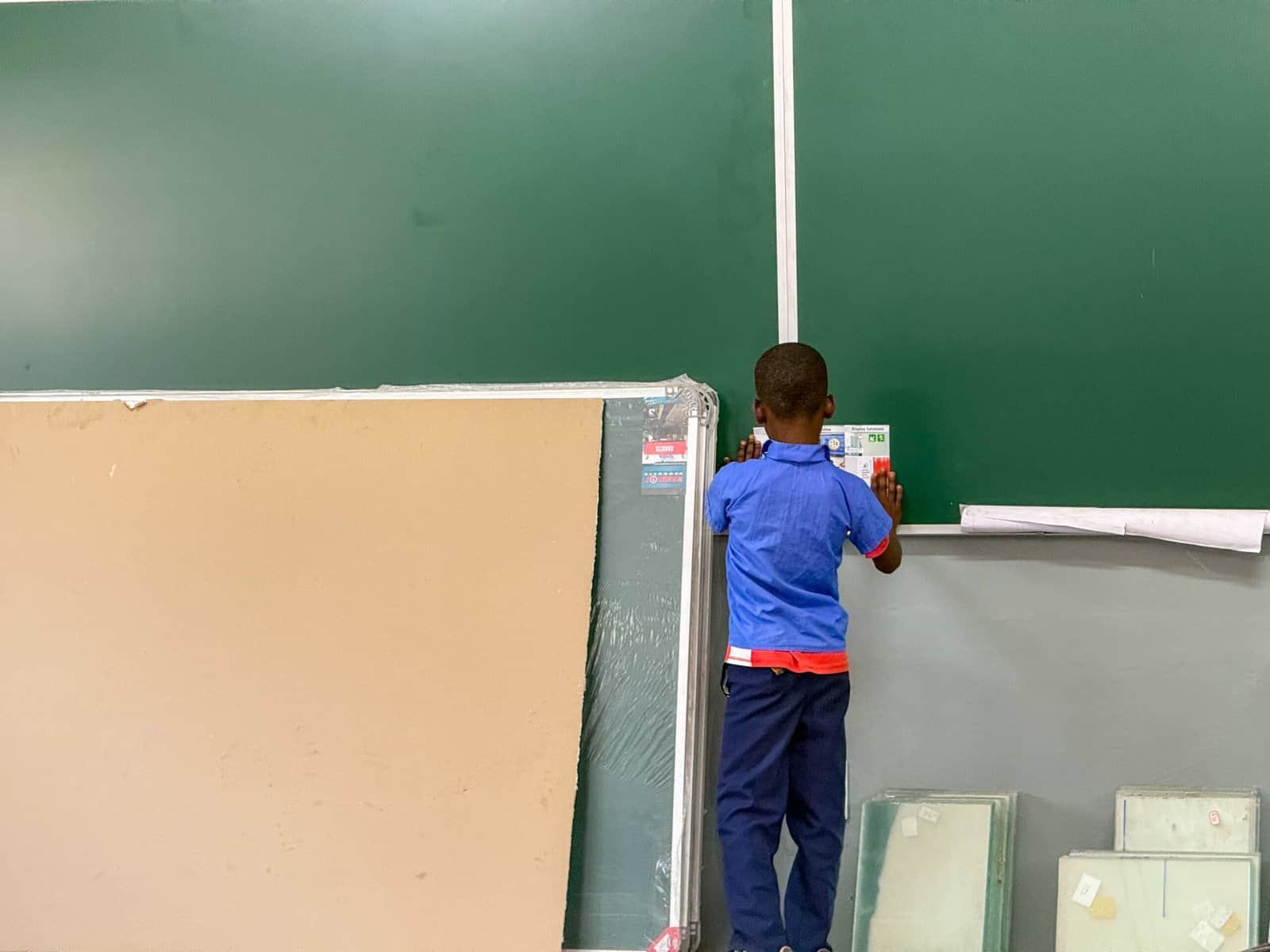
Legacy Ride4Hope, in partnership with the Republic of Mozambique Pipeline Investments Company (ROMPCO), the Nelson Mandela Foundation and other corporate partners, on Wednesday handed over newly refurbished classrooms at Escola Básica de Bela Vista.
The intervention was initially expected to focus on just two classrooms but was expanded after organisers assessed the condition of the school and found that the need extended across the entire facility.
The first phase of the refurbishment has now been completed, with additional construction and refurbishment work expected to continue at the school.
The project comes as schools in many communities continue to face pressure from growing learner numbers, overcrowding and limited infrastructure.
Organisers said under-resourced schools were often forced to accommodate increasing numbers of learners despite having inadequate classroom space and facilities.
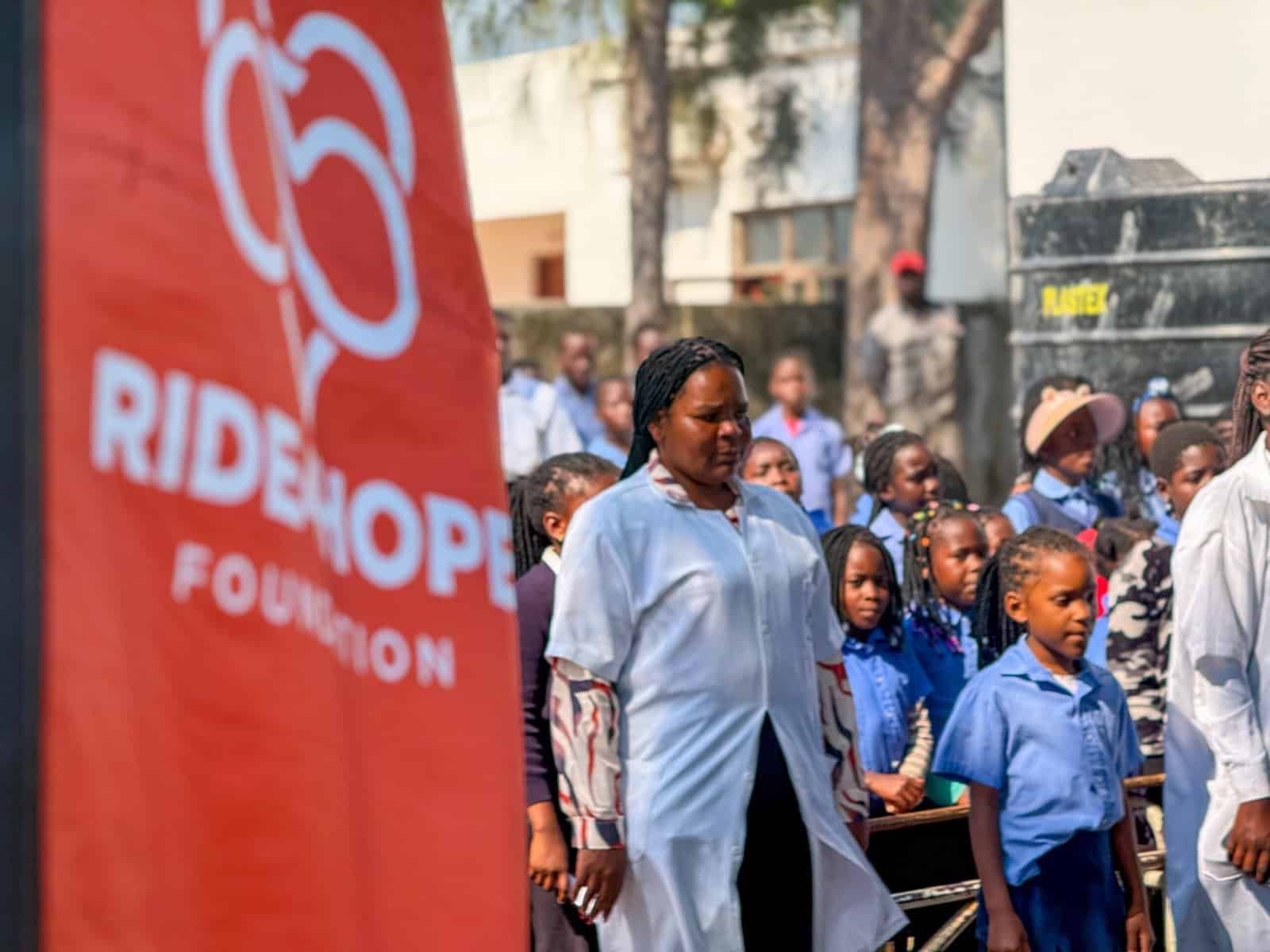
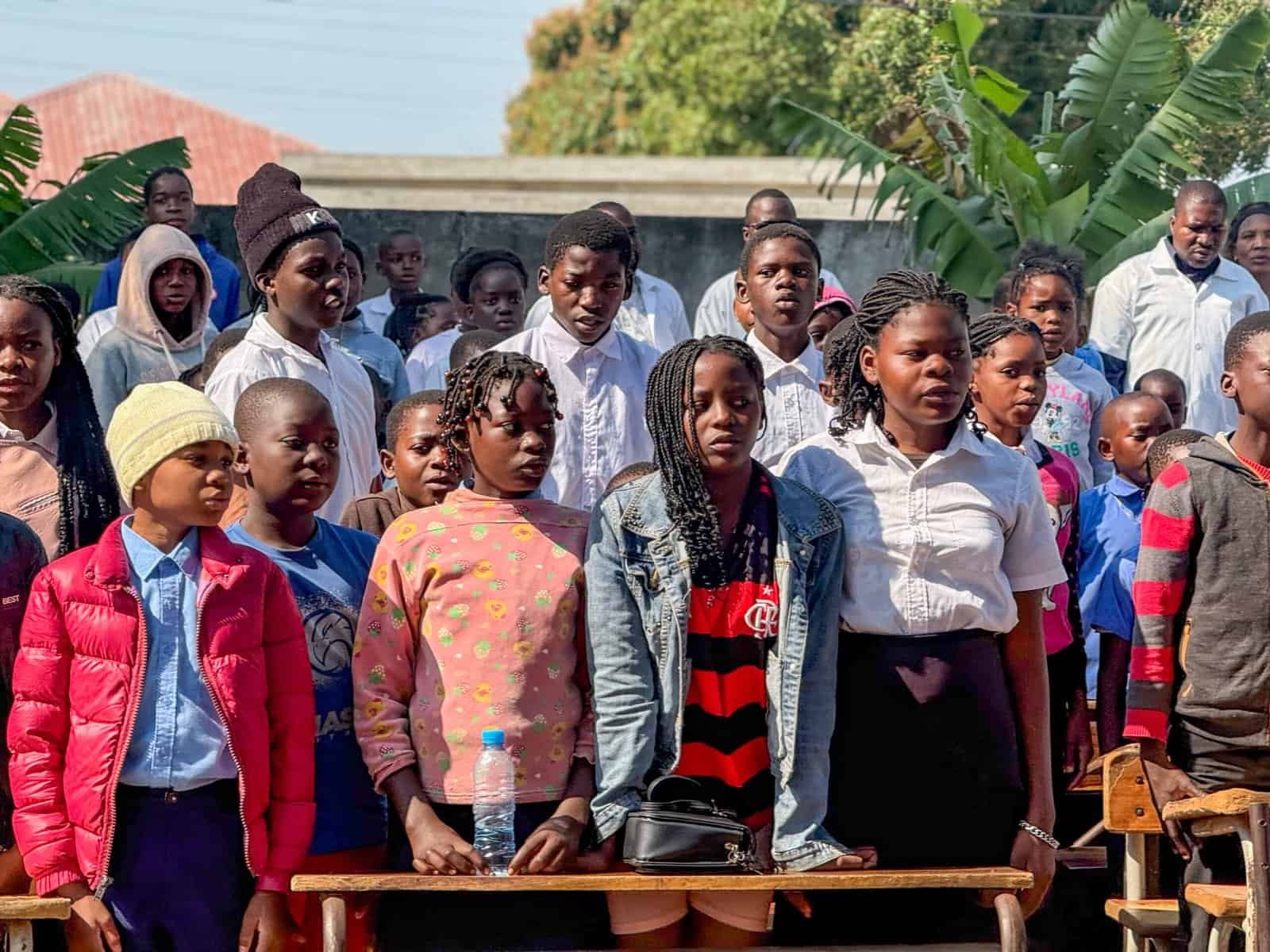
Escola Básica de Bela Vista is the first of three under-resourced schools that will benefit from this year’s Legacy Ride4Hope tour.
The interventions are aimed at helping to ease overcrowding while creating better learning environments for learners and teachers.
The project also marks an important milestone for Legacy Ride4Hope, which was established in 2018 during the Nelson Mandela Centenary year.
Now in its ninth year, the initiative has previously focused on using cycling and community participation to drive social impact.
This year’s tour is its first cross-border edition, beginning in Mozambique before continuing into South Africa.
Legacy Ride4Hope forms part of the Mandela Legacy Sporting Series, a platform established by the Nelson Mandela Foundation to bring together sporting initiatives that use participation in sport to mobilise communities, promote active citizenship and create social impact.
Following Wednesday’s handover, the cyclists began the first stage of their journey from Bela Vista to Sodwana Bay.
The opening stage covered 168km and included 656 metres of elevation.
The demanding route will continue across KwaZulu-Natal, with riders expected to cover hundreds of kilometres before reaching the Nelson Mandela Capture Site in Howick.
On Thursday, September 3, the cyclists will travel from Sodwana Bay to Hluhluwe, covering 95km with 339 metres of elevation.
The following day, September 4, they will cycle 137km from Empangeni to Ballito, tackling 1,253 metres of elevation.
It is during this leg that the second school intervention will take place at Amangwe High School.
The final stage on September 5 will see riders cover 157km from Ballito to Howick.
The final route will be the toughest of the tour in terms of elevation, with cyclists expected to tackle 2,825 metres before completing the journey at the Nelson Mandela Capture Site.
The organisers say the initiative is about more than cycling.
By linking endurance sport with practical interventions at schools, Legacy Ride4Hope seeks to use the popularity and visibility of cycling to draw attention to challenges facing communities and mobilise resources towards addressing them.
The Bela Vista project illustrates that approach, with the original plan changing after organisers saw the extent of the infrastructure needs at the school.
Instead of limiting the work to two classrooms, the intervention was expanded to include the refurbishment of the entire school, with phase one now completed.
The initiative brings together the Mandela Foundation, businesses and cyclists around a shared social impact project, while also creating a connection between communities in Mozambique and South Africa.
The Foundation’s involvement places the project within Mandela’s broader legacy of community development and active citizenship.
For learners and teachers at Bela Vista, however, the immediate impact is more tangible: improved classrooms and a better environment in which teaching and learning can take place.
The refurbishment forms part of a wider effort to address infrastructure challenges affecting schools that have limited resources and growing demands.
As the cyclists continue their journey south, organisers will turn their attention to the next schools identified for intervention.
The tour will ultimately conclude at the Nelson Mandela Capture Site in Howick, a fitting endpoint for an initiative built around carrying forward Mandela’s legacy through sport, community participation and practical social investment.
The 2026 edition therefore combines a physical challenge spanning Mozambique and South Africa with a social mission aimed at improving conditions for learners in communities where infrastructure remains under pressure.