Maputo is in the grip of a deepening fuel crisis, with long queues, shuttered filling stations and rising public anxiety bringing the Mozambican capital to a near standstill.
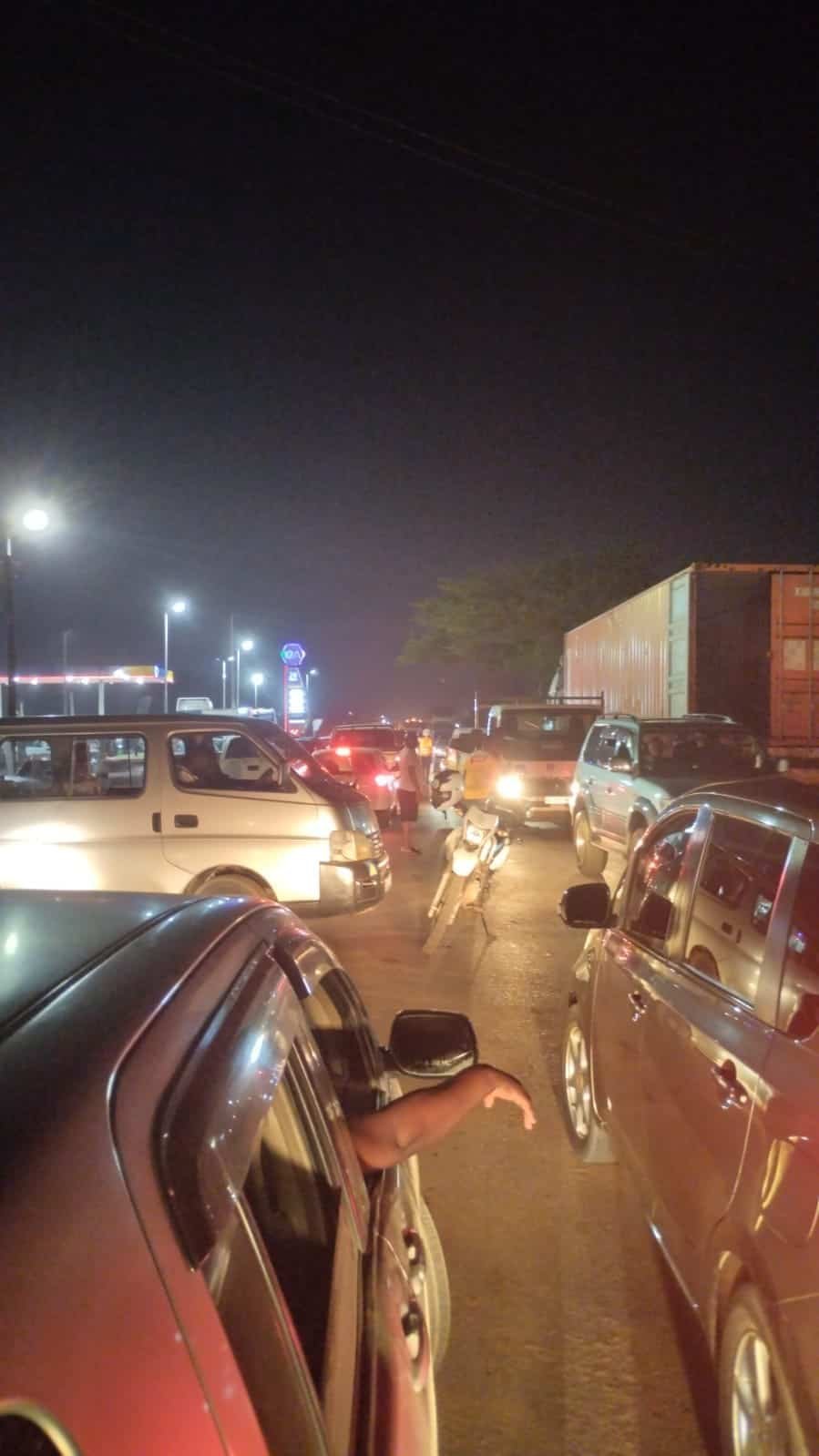
Across the city, vehicles line up for hundreds of metres outside the few stations still operating, while many others have remained closed for days. Armed police have been deployed at several forecourts to manage crowds and prevent clashes, as frustrated residents compete for limited supplies.
Some people arrive not only with cars, but on foot — carrying plastic containers, empty bottles and any vessel they can find — hoping to secure even a small quantity of fuel. Access is tightly controlled in some locations following reports of altercations and disorder, while allegations of queue-jumping in exchange for bribes have further inflamed tensions.
For most motorists, refuelling has become a daily gamble. Even where fuel is available, strict limits are imposed, with purchases capped at around 1,000 meticais per vehicle. Despite these restrictions, queues continue to grow, clogging major roads and paralysing traffic in key parts of the capital.
Around petrol stations, an informal market has rapidly emerged. Vendors sell used containers — often five to ten litres — to desperate buyers willing to wait hours without any certainty of success. The atmosphere is marked by fatigue, frustration and growing unease about how long the crisis may last.
Yet for many Mozambicans, the scenes unfolding today carry a deeper resonance.
The queues have revived memories of the 1980s, when widespread shortages forced citizens to line up for basic goods — from food and candles to needles — in a country grappling with scarcity, poverty and famine. What was once thought to be a closed chapter in the nation’s history now feels, to some, like an unwelcome return.
Francisco Júnior, 66, a retired locksmith, stood in line for over an hour waiting to fill his car, reflecting on that past.
“I never thought we could slide back to the eighties with lines everywhere,” he said. “I thought it was a thing of the past, but unfortunately, at my age, I have to live it again. It’s sad.”
He fears the situation could worsen, especially amid ongoing conflict in the Middle East, warning that rising fuel prices may soon drive up the cost of basic goods and further erode living conditions.
“I worry that what we are seeing now is just the beginning,” he added.
The desperation caused by the shortages has also led to risky behaviour. One widely shared video on social media this week showed a young woman, visibly frustrated after hours of waiting, resorting to buying fuel in a plastic bag — a striking image that has come to symbolise the severity of the crisis.
Authorities have warned against such practices. Leonildo Pelembe, spokesperson for the fire services, cautioned that storing or transporting fuel in inappropriate containers poses serious risks.
Fuel is highly volatile, he said, and can ignite easily, potentially leading to fires or explosions. Storing it inside homes could also cause nausea, illness or even loss of consciousness due to fumes. He urged the public to avoid hoarding fuel or handling it in unsafe conditions.
The crisis, which began in Maputo, is now reportedly spreading to other parts of the country, raising concerns about broader economic disruption, including impacts on supply chains and service delivery.
Government officials have acknowledged the strain. The Ministry of Mineral Resources and Energy has introduced emergency measures aimed at easing distribution bottlenecks. According to the National Directorate of Hydrocarbons and Fuels, imports are continuing, but internal distribution has been constrained — a situation partly linked to geopolitical tensions in the Middle East.
To mitigate the shortages, authorities have temporarily allowed fuel retailers to source supplies from any licensed distributor with available stock, regardless of existing contracts. The measure is intended to speed up deliveries and restore normal supply channels.
Even so, uncertainty remains. Earlier this week, government spokesperson Salim Valá acknowledged mounting pressure on fuel stations but stopped short of providing clear assurances on how long current stocks might last.
Mozambique’s heavy reliance on imported fuel — much of it transported through the strategically sensitive Strait of Hormuz — has left the country vulnerable to global disruptions.
For now, Maputo’s residents continue to endure long waits and daily uncertainty, navigating a crisis that is not only disrupting their routines but also reopening memories many had hoped were long behind them.