As we celebrate Administrative Professionals Day on September 2, it is worth reflecting on how much the administrative profession has changed, and how much change there is still to come. For a long time, the image of an administrative professional was relatively simple: answering the telephone, managing diaries, arranging meetings, taking minutes and keeping the office running.
Those responsibilities still matter. However, today, administrative professionals are doing much more. We coordinate projects, manage stakeholders, support decision-making, organise conferences and events, navigate financial processes, manage information and often become trusted partners to the people and units we support.
The role is no longer simply about keeping the office running. It is about understanding how the organisation works and recognising where our contribution fits into the bigger picture. That requires a shift in mindset: stop seeing yourself as “just admin” and start seeing yourself as a business partner.
The world around us is changing too. Artificial intelligence and automation are already transforming how administrative work is done. Tasks that once took hours can sometimes be completed in minutes. Rather than fearing this change, we should see it as an opportunity to focus on what technology cannot easily replace: judgement, relationships, communication, discretion, problem-solving, emotional intelligence and understanding the bigger picture. The future administrative professional cannot simply be a task-doer. We need to be adaptable, curious and committed to continuous learning.
We are often described as working behind the scenes. In some ways, that is true. At a conference, for example, we may not be the speakers on stage, but when delegates need information, presenters have questions, a venue needs something, or something unexpected happens, we are often the first people they look for.
We are not only behind the scenes. We are also at the front of the scene.
That makes communication one of our most important professional tools. How we speak to people, respond under pressure, handle difficult situations and represent our teams become part of the reputation of the unit we work in. This is where personal branding matters. Personal branding is not simply about social media. It is about the reputation we build through our everyday actions. What do people experience when they work with you? Do they see someone reliable, professional, solutions-focused and willing to contribute? How do you want people to speak about you when you are not in the room? And, perhaps most importantly, how do you see yourself?
We should not dim our light because someone else has failed to recognise it. Administrative professionals should not be afraid to ask questions, offer an opinion or contribute to strategic conversations, but taking a seat at the table is not about speaking the loudest. It is about understanding the business, being prepared, building relationships and knowing that your perspective has value.
We are often at the centre of our teams, connecting people, information, processes and priorities. Because we are close to the operational detail, we often see things others may not. That perspective is valuable.
This is also why professional development and mentorship matter. My experience through the OptentiaMentorship Programme for Support Staff at the North-West University (NWU) reinforced for me that professional development is not a luxury. It is part of building confident, capable people and stronger institutions.
As our roles continue to evolve, we must be willing to evolve with them. Learn new technologies. Develop new skills. Understand our organisation. Build meaningful networks. Know our value and keep earning the trust that comes with it.
Managers and colleagues who work alongside administrative professionals should recognise the people at your front line. Be respectful. Be supportive. Be kind. Give people their flowers while they are still there.
To every administrative professional who keeps things moving, connects the dots, solves the problems and shows up every day: you are more than your job description. More than your KPIs. More than the person who gets things done. You are part of how your organisation functions.
So, learn. Speak. Network. Take the seat. Keep developing yourself. Know your value and continue growing with the profession. Because the administrative profession is no longer what it once was, and neither are we.
Perhaps the question is not whether we have a seat at the table. Perhaps it is whether we are ready to recognise that we have been helping build the table all along.
To every administrative professional at the North-West University: Happy Administrative Professionals Day!
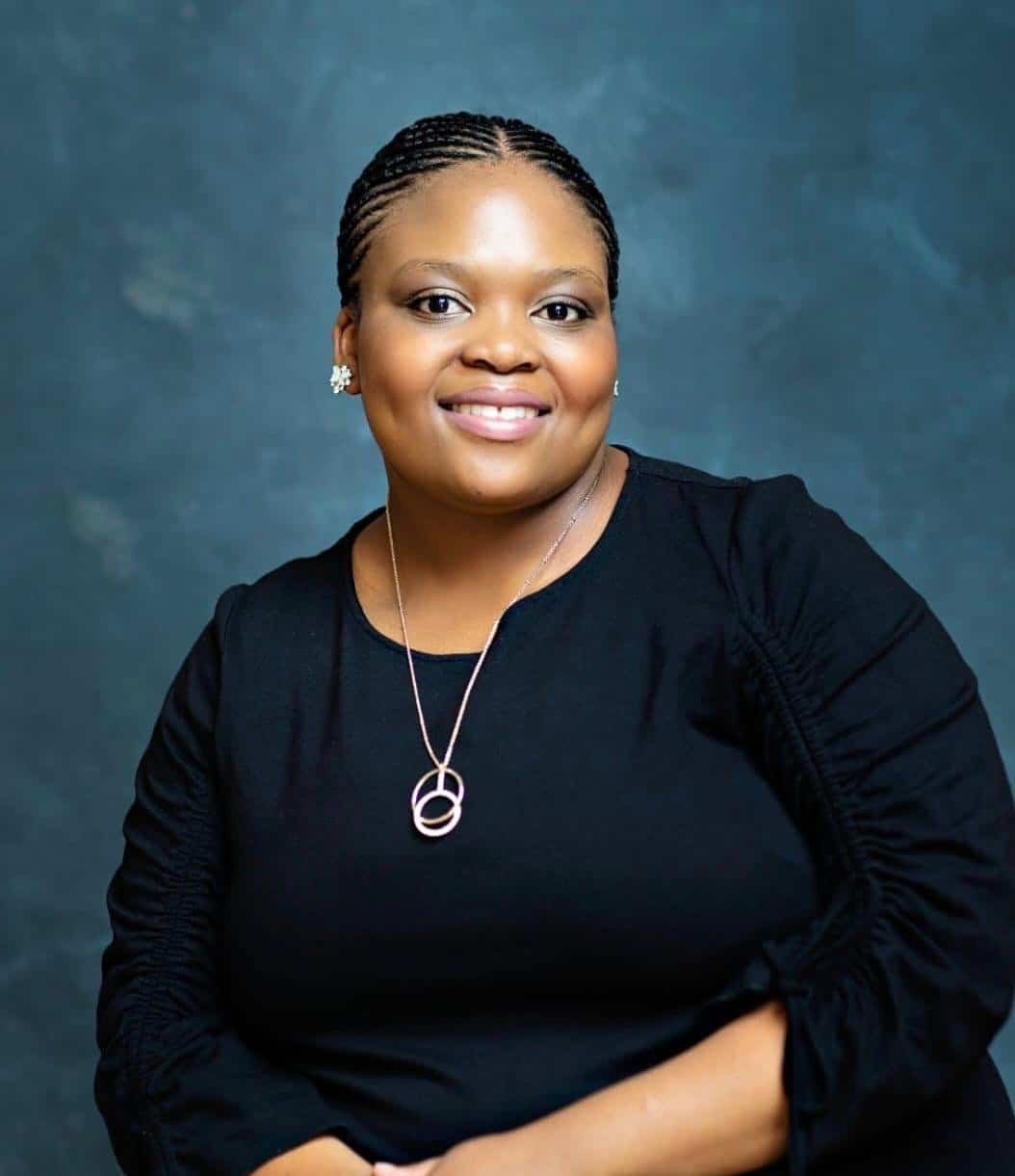
Zama Chaacha is Personal Assistant to the Deputy Dean for Research and Innovation, Faculty of Humanities at the University of North West.