Between Hope and Hostility
For generations, South Africa has represented opportunity for thousands of Mozambicans seeking work beyond their country’s borders. From the gold mines of Gauteng to the vineyards and farms of the Western Cape and Limpopo, Mozambican migrants have helped build South Africa’s economy while supporting families back home through remittances.
Today, however, that long-standing relationship is under strain.
The Mozambican government has expressed growing concern over what it describes as a resurgence of anti-immigration rhetoric in neighbouring South Africa, amid reports of xenophobic violence that has already claimed the lives of at least nine Mozambicans and forced hundreds to return home.
Speaking after a meeting of the Council of Ministers in Maputo, government spokesperson and Health Minister Ussene Isse warned that the situation could worsen in the coming weeks as anti-immigration groups intensify their campaign against foreign nationals.
“We are closely monitoring the growing anti-immigrant rhetoric in South Africa,” Isse said. “Our government will remain vigilant in protecting, assisting and integrating those affected by these developments.”
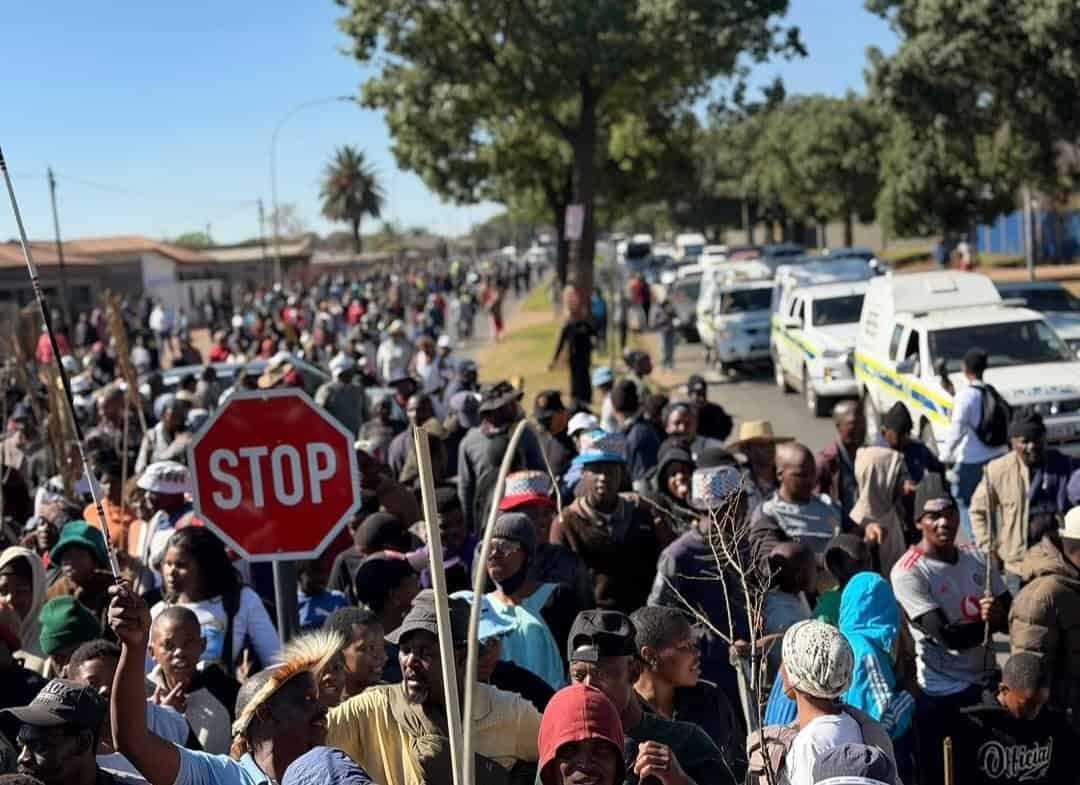
The warning comes as anti-immigration demonstrators in South Africa have reportedly demanded that all foreign nationals leave the country by 30 June, while authorities have announced tighter immigration measures. The developments have raised fears among migrant communities already living under increasing pressure from economic hardship, unemployment and political tensions.
The Human Cost Behind the Numbers
Behind the statistics are stories of shattered livelihoods and uncertain futures.
According to the Mozambican government, 714 citizens had been repatriated from South Africa by 7 June. Most have returned to the southern provinces of Gaza, Maputo and Inhambane.
Many of the returnees are young workers employed in the informal economy, often without regular immigration documents. They report losing personal belongings, money and identification documents during attacks and intimidation campaigns targeting foreign nationals.
For families dependent on income earned across the border, the consequences are severe. Remittances sent home by migrant workers have long served as a lifeline for many households, helping to pay school fees, medical expenses and daily living costs.
The deaths of nine Mozambicans in recent violence have further deepened the sense of anxiety. Authorities are now coordinating the repatriation of the victims’ remains while providing support to affected families.
A Historic Migration Corridor
Migration between Mozambique and South Africa is not a recent phenomenon. For more than a century, Mozambicans have crossed the border in search of employment opportunities, particularly in the mining and agricultural sectors.
Today, an estimated 300,000 Mozambicans live in South Africa, forming one of the country’s largest foreign communities.
Economic disparities between the two nations continue to drive migration. While Mozambique has recorded periods of strong economic growth, poverty, unemployment and climate-related disasters have pushed many citizens to seek opportunities abroad.
Yet migrants often find themselves caught in the crossfire of broader social frustrations. South Africa faces one of the highest unemployment rates in the world, and foreign nationals are frequently accused, often without evidence, of taking jobs, straining public services and contributing to crime.
These perceptions have periodically erupted into xenophobic violence, making immigrants easy targets during times of economic uncertainty.
Government Response
Faced with the latest crisis, Mozambique is attempting to balance diplomacy with humanitarian action.
Officials from both countries remain in contact in an effort to ease tensions and find solutions through dialogue. At the same time, Maputo has launched measures to assist returning citizens and facilitate their reintegration into local communities.
The Council of Ministers has approved the creation of a multi-sectoral task force led by the Ministry of Foreign Affairs. The body will coordinate support for returnees and oversee the implementation of response measures involving agriculture, labour, education, social affairs and local government institutions.
Authorities also hope to harness the skills and experience acquired by Mozambicans who worked in South Africa, viewing their return not only as a humanitarian challenge but also as a potential economic opportunity.
A Regional Challenge
The current tensions highlight a broader challenge facing Southern Africa: how to reconcile economic integration with growing public concerns over migration.
The Southern African region has long benefited from the movement of labour across borders, with workers contributing to industries, trade and regional development. Yet persistent poverty, inequality and unemployment continue to fuel anti-immigrant sentiment in several countries.
Analysts warn that unless these underlying socio-economic issues are addressed, cycles of xenophobia are likely to recur.
For Mozambique, the immediate priority remains the safety of its citizens.
“The government urges all Mozambicans who feel they may be in danger to contact Mozambique’s diplomatic missions and consulates in South Africa,” Isse said. He also encouraged citizens to pursue legal migration channels in order to reduce their vulnerability.
As the end-of-June deadline announced by anti-immigration activists approaches, thousands of Mozambicans living in South Africa face an uncertain future. For many, the country that once symbolised opportunity now presents difficult questions about belonging, security and survival.
The coming weeks will test not only the resilience of migrant communities but also the commitment of Southern Africa’s governments to uphold the values of regional solidarity and human dignity.