VILANKULO, Mozambique – Mozambique has launched the Seven Treasures of Mozambique initiative, a new national tourism promotion programme designed to showcase the country’s cultural identity, historical heritage and natural wealth, while encouraging investment, developing integrated tourism packages and strengthening the protection of biodiversity.
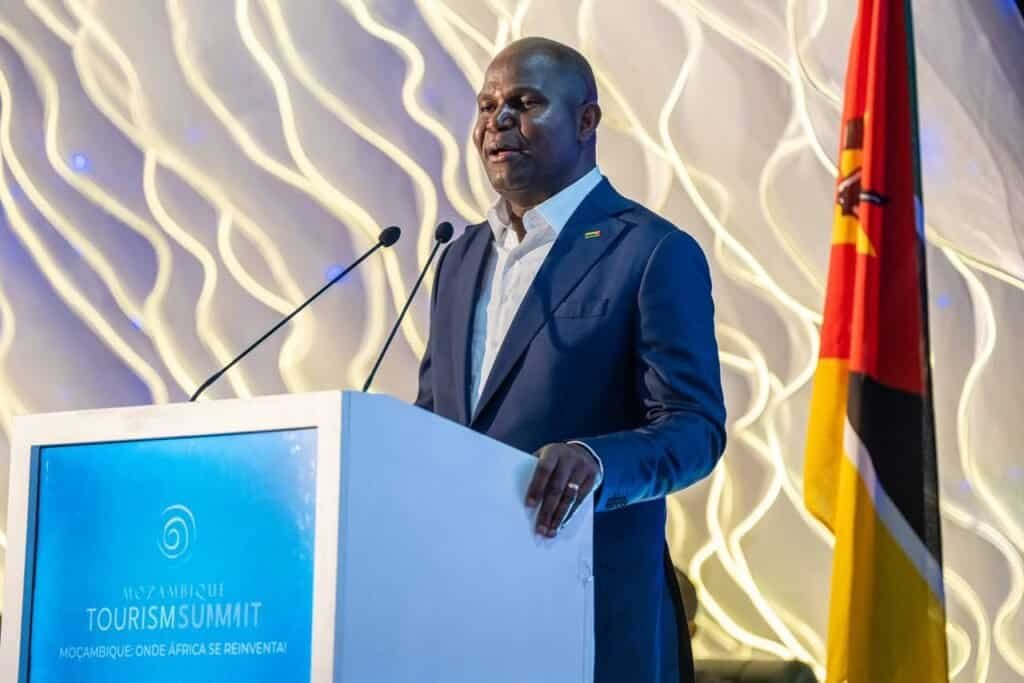
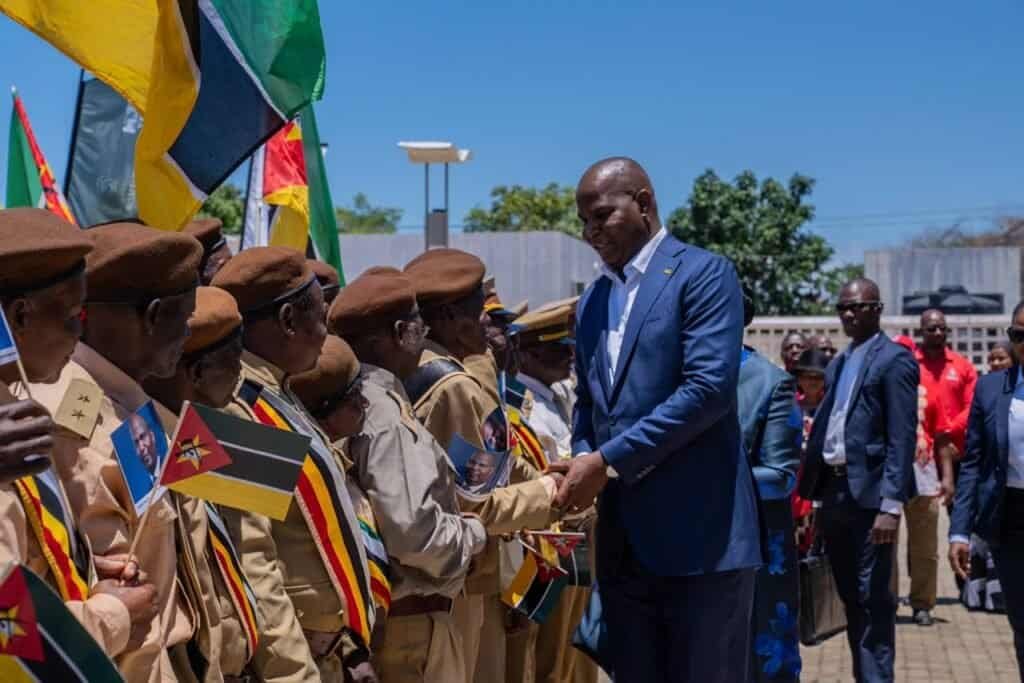
President Daniel Chapo announced the initiative at the Second Edition of the Mozambique Tourism Summit, held in Vilankulo, Inhambane Province, describing it as both an affirmation of national identity and an invitation to the world to discover Mozambique.
“Preserving these treasures means honouring our history; promoting them means creating new opportunities for investment, employment and prosperity for Mozambicans,” Chapo said.
The initiative seeks to position Mozambique as a competitive international destination by highlighting the diversity of its tourism attractions, from the Indian Ocean coastline and islands to wildlife conservation areas, historical sites, traditional music, gastronomy and the country’s rich cultural traditions.
The launch comes as the government steps up efforts to develop tourism packages that connect different destinations, allowing visitors to experience more than the country’s renowned beaches and coastal resorts. The ambition is to promote integrated tourism circuits combining marine tourism, wildlife, adventure, cultural heritage, gastronomy and community-based experiences.
From the Bazaruto Archipelago, with its five islands, to the Quirimbas, Gorongosa National Park, Niassa and the historic Island of Mozambique and Ibo Island, the country offers opportunities to develop distinctive tourism products capable of attracting visitors throughout the year.
Chapo stressed that Mozambique wanted to compete internationally not only through the beauty of its beaches but also through the quality and authenticity of its tourism experiences, the excellence of its services and the hospitality of its people.
“Moçambique is a country of many destinations and one identity,” he said, emphasising the importance of transforming the country’s natural and cultural resources into sustainable economic opportunities.
Tourism packages to connect destinations and communities
The development of integrated tourism packages is expected to play an important role in expanding the sector’s contribution to economic diversification.
The government wants tourism to generate benefits across several sectors, including agriculture, fisheries, manufacturing, transport, logistics, energy, trade and services.
Chapo explained that a tourist staying at a hotel in Vilankulo, for example, should generate business opportunities for local fishermen, farmers, furniture manufacturers, restaurants, transport operators and small and medium-sized enterprises.
This approach is intended to strengthen local value chains, increase domestic participation in the tourism industry and ensure that more of the revenue generated by visitors remains within the national economy.
The President said the country’s ambition was not simply to increase tourist arrivals, but also to maximise the economic value of each visit, generate foreign currency, create employment and ensure that the benefits of tourism growth were more widely shared.
Young people and women, who represent a significant proportion of Mozambique’s population, are expected to benefit from new employment and entrepreneurial opportunities.
Nature conservation at the heart of tourism development
Environmental protection was another central theme of the President’s address, with Chapo insisting that tourism growth must not come at the expense of the natural resources that make Mozambique attractive to international visitors.
“We want tourism that grows without destroying the nature that makes it attractive and without leaving behind the communities that welcome visitors,” he said.
He argued that the success of tourism projects should not be measured exclusively by the revenue they generate, but also by the jobs they create, the local businesses they involve, the communities they benefit and the natural heritage they preserve.
Against the backdrop of climate change, the government intends to promote a development model that combines investment, biodiversity conservation and the resilience of local communities.
Particular attention is being given to conservation areas in the country’s interior and marine ecosystems, notably those of the Bazaruto and Quirimbas archipelagos, whose biodiversity is an essential asset for the development of ecotourism and nature-based tourism.
The Seven Treasures initiative is therefore expected to reinforce the value of conservation as an economic and tourism asset, encouraging visitors and investors to recognise the importance of protecting ecosystems and cultural heritage.
New investment opportunities and connectivity
The Second Mozambique Tourism Summit also provided an opportunity for the government to present an investment portfolio comprising between 40 and 50 tourism projects, including 25 structured opportunities for partnerships and financing.
Among the projects highlighted was the Vilankulo–Inhassoro Waterfront Anchor Project, covering a 35-kilometre coastal corridor earmarked for five-star hotels, world-class marinas, eco-resorts, high-end restaurants and residential developments.
The government is also promoting tourism concessions in Inhambane and other parts of the country as part of efforts to attract domestic and international capital.
Chapo highlighted progress made since the first edition of the summit, including the introduction of an electronic visa platform, the granting of Golden Visas and the establishment of the National Agency for Tourism Development and Investment (ANDITUR), designed to facilitate investment in tourism and hospitality.
Other measures include the creation of the Southern Corridor Special Tourism Economic Zone, covering Vilankulo, Pomene and Inhassoro, and the designation of Inhambane as Mozambique’s first Special Golf Tourism Zone.
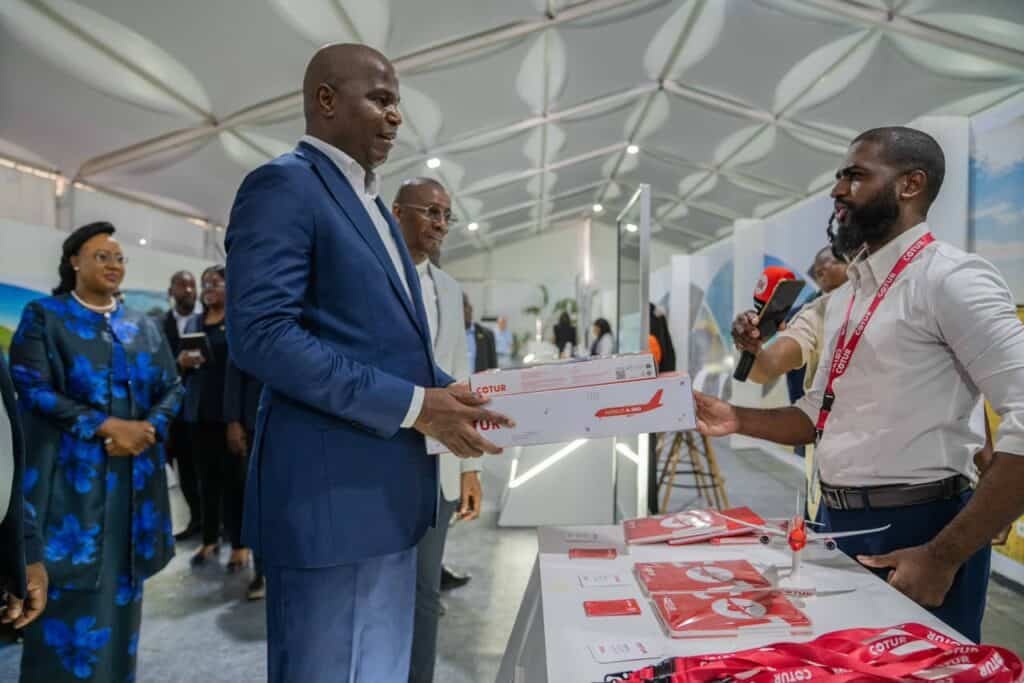
Improved air connectivity is also part of the strategy. The President announced the entry into operation of Solenta Aviation, in collaboration with Cotur, alongside government efforts to liberalise the aviation market and facilitate access to tourism destinations.
Mozambique is also seeking to strengthen its position in business tourism and international conferences through its first National Strategy for Business Tourism and MICE (Meetings, Incentives, Conferences and Exhibitions).
Mozambique seeks stronger international profile
Chapo said Mozambique’s tourism ambitions were closely linked to the government’s broader vision of economic independence and diversification, with the sector expected to become a major driver of employment, investment and national development.
He also announced that Mozambique would host the Global Tourism Forum for the first time in 2027, in partnership with UN Tourism and the Global Tourism Institute, an event expected to strengthen the country’s international profile as a tourism and investment destination.
The Second Mozambique Tourism Summit is held under the theme “Mozambique: Where Africa Reinvents Itself”, reflecting the country’s ambition to position African cultural identity, creativity and natural heritage as important drivers of economic transformation.
The event is accompanied by the 12th edition of the Mozambique International Tourism Fair (FIKANI), which brings together national and international tourism operators, investors and other stakeholders to promote business partnerships and showcase the country’s tourism potential.
For Mozambique, the challenge now is to translate its considerable natural and cultural wealth into competitive tourism products, sustainable investment and tangible benefits for local communities.
The launch of the Seven Treasures initiative represents an important step in that direction, placing the country’s identity, environmental protection and inclusive economic development at the centre of its ambition to become a leading tourism destination in Africa.