
Growth of just 1.7% in the second quarter of 2026 falls short of the country’s potential, while rising public debt, inflationary pressures and limited access to credit continue to constrain economic activity.
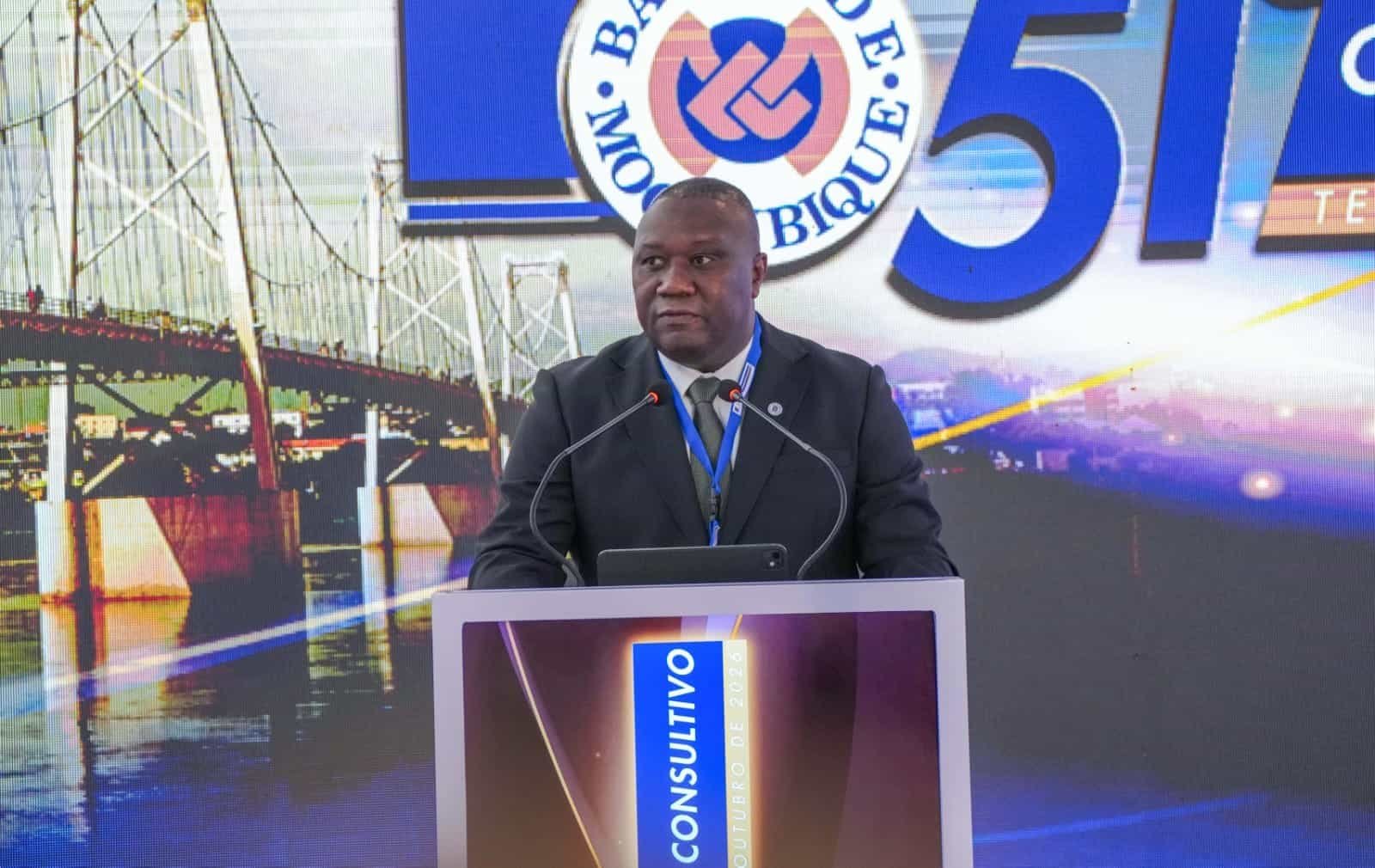
The Governor of the Bank of Mozambique, Felisberto Navalha, has warned that the country’s economic recovery remains too weak to bring significant improvements to the living standards of its more than 34 million citizens, despite signs of stabilisation in some areas of the economy.
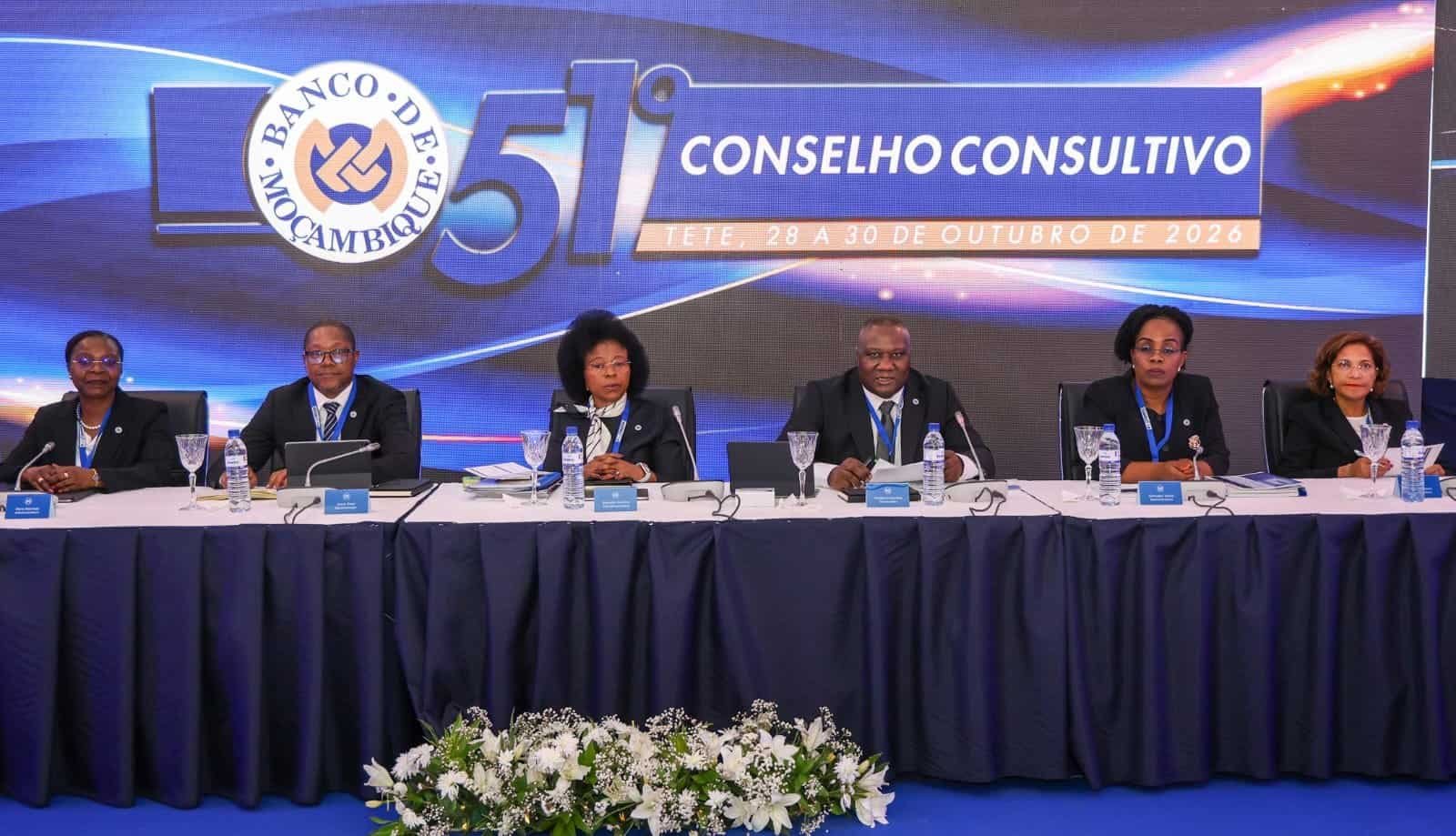
Addressing the opening session of the central bank’s 51st Advisory Council meeting in the province of Tete, Navalha said economic growth remained moderate and insufficient to improve living conditions or meet the country’s poverty reduction objectives.
“After contracting by 0.2% in 2025, the Mozambican economy grew by just 1.7% in the second quarter of 2026”, a performance the governor said fell short of the country’s economic potential.
“Economic growth remains moderate, but is still insufficient to bring about an improvement in the population’s living conditions,” he said, highlighting the gap between the ongoing recovery and the economic progress needed to improve the lives of ordinary Mozambicans.
His assessment underscores the challenges facing Mozambique as it seeks to translate macroeconomic stability into broader prosperity, amid mounting fiscal pressures, restricted access to finance and external shocks affecting the cost of living.
Navalha attributed some of the difficulties to an increasingly adverse international environment, particularly escalating geopolitical tensions in the Middle East, which have pushed up international fuel, food, transport and logistics costs, with repercussions for domestic economic activity and inflation.
Inflation and Monetary Policy Remain Key Concerns
In response to these pressures, the Bank of Mozambique has maintained a cautious monetary policy stance, seeking to contain inflation while preserving financial stability.
In March, the central bank halted its cycle of monetary policy rate cuts, keeping the MIMO rate unchanged at 9.25%. In May, it also raised the mandatory reserve requirement on deposits in the national currency from 29% to 39%, aiming to absorb excess liquidity in the banking system and reduce domestic price pressures.
These measures followed a sharp acceleration in annual inflation, which rose from 4.41% in April to 7.51% in June, partly reflecting adjustments to liquid fuel prices. Inflation subsequently eased to 6.31% in September.
Despite this moderation, the governor cautioned that significant challenges remain in the conduct of monetary policy.
The continued increase in public debt and the accumulation of government payment arrears have contributed to the rigidity of market interest rates and concentrated banking sector liquidity in interbank money market instruments. This, in turn, has limited the expansion of credit to businesses and households.
By September 2026, bank lending to the economy had grown by just 0.5% compared with the same period last year, highlighting the difficulties in channelling financial resources towards productive activity.
Banking sector remains resilient, but credit is constrained
Despite the challenging economic environment, Navalha said Mozambique’s financial system remained solid and resilient.
In September, the banking sector’s solvency ratio stood at 29%, while its liquidity ratio reached 55.5%, both comfortably above the regulatory minimum requirements. Non-performing loans remained at around 7%.
However, the governor’s figures suggest that the strength of bank balance sheets has yet to translate into a significant expansion of lending to the wider economy.
Limited access to credit remains a constraint on businesses seeking to expand operations, invest in productive capacity and create employment, at a time when stronger economic growth is needed to improve household incomes and reduce poverty.
Foreign exchange market faces distribution challenges
The foreign exchange market presents another challenge for the economy, with the central bank reporting substantial volumes of currency transactions linked to natural gas projects and the extractive industry, alongside relative exchange rate stability.
By September 2026, commercial banks’ foreign currency purchases had reached US$6.50 billion, an increase of US$859 million compared with the same period in 2025. Foreign currency sales to customers totalled US$6.41 billion, up by US$718 million year-on-year.
Nevertheless, businesses continue to report difficulties accessing foreign currency, highlighting weaknesses in the functioning of the market and the distribution of available liquidity across the financial system.
Navalha said Mozambique continued to maintain a reasonably comfortable level of international reserves, equivalent to approximately five months of imports of goods and services, excluding major projects.
The central bank is implementing reforms intended to improve the functioning of markets and strengthen the financial system’s capacity to respond to the country’s economic needs.
Moderate recovery expected in 2027
Looking ahead, the governor expects the economy to continue recovering at a moderate pace in 2027 and over the medium term, supported by agriculture, the extractive industry and services.
However, the outlook remains subject to considerable uncertainty, particularly regarding inflation, public debt dynamics and the effects of climate-related shocks.
In the domestic economy, risks include uncertainty over the scale of imported inflation, the evolution of public debt and government arrears, and the impact of adverse climate conditions, particularly the El Niño phenomenon.
Externally, the duration and magnitude of the effects of geopolitical tensions in the Middle East and Europe remain uncertain. These developments could affect international trade flows, global supplies of goods and international fuel and food prices.
The governor expects some inflationary pressure in the short term, followed by a gradual slowdown over the medium term, although the persistence of these risks could complicate the outlook.
For Mozambique, the challenge is therefore not simply to sustain economic growth, but to ensure that the recovery translates into stronger productive activity, improved access to finance and tangible gains in living standards.
With growth still below its potential, credit expansion subdued and fiscal pressures weighing on monetary policy, Navalha’s assessment highlights the scale of the task facing policymakers as the country approaches 2027.
The central question remains whether the anticipated recovery, driven by agriculture, extractive industries and services, will be strong enough to deliver the broader economic opportunities and improvements in living conditions that Mozambique’s population needs.


