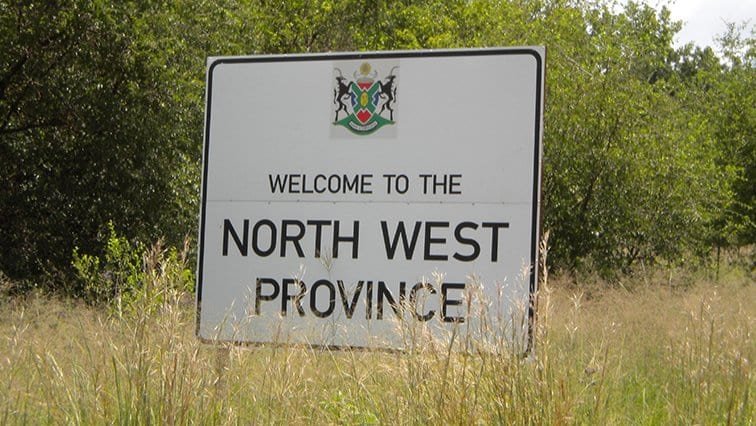
A new civic survey has exposed a significant accountability gap between communities and local government in the North West, with 38% of residents saying they have never engaged with their ward councillor since the 2021 Local Government Elections.
The findings, released by Civic Root Advocacy (CRA) on Monday, have raised concerns about the accessibility of elected representatives, public participation in municipal affairs and access to basic services across communities in the province.
The Citizen Well-being Survey was conducted as part of CRA’s Local Democracy Accountability Initiative during ward-level community engagements across three districts in the North West.
The survey examined the relationship between residents and their ward councillors, including how frequently communities engaged with their elected representatives. It also looked at residents’ knowledge of ward committees, access to essential services and infrastructure, and participation in elections.
According to the findings, only 12% of participants reported frequent engagement with their ward councillors over the past five years.
By contrast, 38% said they had never engaged with their ward councillor since the 2021 Local Government Elections.
The findings suggest that a significant number of residents may have limited opportunities to raise concerns directly with the elected representatives responsible for their wards.
CRA said the figures highlighted more than a communication problem between councillors and communities.
The organisation said the lack of engagement pointed to broader questions about how local democracy and accountability were functioning at ward level.
“Local democracy cannot begin and end at the ballot box,” Civic Root Advocacy Executive Director Siyabulela Jentile said.
It said ward councillors should remain visible, accessible and accountable to residents throughout their terms of office, rather than becoming more visible only during election campaigns.
The survey also found that 41% of participants reported inadequate access to essential services and infrastructure.
The services and infrastructure identified as areas of concern included water, electricity, refuse removal, healthcare and proper roads.
The combination of limited engagement with elected representatives and poor access to services has raised concerns about the extent to which residents are able to hold local government accountable for problems affecting their communities.
Jentile said the findings pointed to a weakening relationship between citizens and the local democratic institutions intended to represent them.
“When residents have limited access to both essential services and their elected representatives, public confidence in local government is placed under increasing strain,” Jentile said.
The survey comes as South Africa heads towards another local government election cycle, when political parties are expected to intensify their campaigns and seek support from communities across the country.
Jentile said residents should not become visible to political parties only when votes are needed.
It called for public representatives to maintain regular contact with communities between elections and ensure residents have meaningful opportunities to participate in local government processes.
Municipalities, it said, should also ensure that ward committees and other public participation structures are functioning effectively.
Ward committees are intended to provide a link between communities and municipal structures, allowing residents to raise concerns and participate in discussions about issues affecting their wards.
However, CRA’s findings suggest that the relationship between communities and these local democratic structures requires greater attention.
The organisation said meaningful public participation should allow residents to influence decisions that directly affect their daily lives, including decisions relating to service delivery and municipal development.
The survey also highlights the challenge facing local government as municipalities prepare for the next election cycle.
While elections provide residents with an opportunity to choose their representatives, CRA argued that accountability should continue throughout the electoral term.
The organisation said public representatives had a responsibility to remain available to the communities that elected them.
Jentile said the survey findings would be used to strengthen citizen participation and accountability in the North West.
Through its Local Democracy Accountability Initiative, the organisation plans to use the findings to engage municipalities, public representatives and other relevant institutions in the province.
The initiative is aimed at strengthening citizen-led accountability and ensuring that residents have a greater role in monitoring local government performance.
The survey provides a snapshot of residents’ experiences across the communities covered by CRA’s engagements and does not necessarily represent the views of every resident in the province.
However, the organisation said the findings highlighted issues that should be taken seriously as South Africa moves closer to another local government election.
With 38% of participants reporting no contact with their ward councillor since the 2021 elections and 41% reporting inadequate access to basic services and infrastructure, the findings are likely to add to ongoing debates about municipal accountability and service delivery.
CRA said stronger engagement between councillors and communities would be essential to rebuilding trust in local government and ensuring that residents are not left without a meaningful channel to raise concerns.
The organisation said it would continue working with communities to strengthen civic participation and citizen-led accountability in the North West.