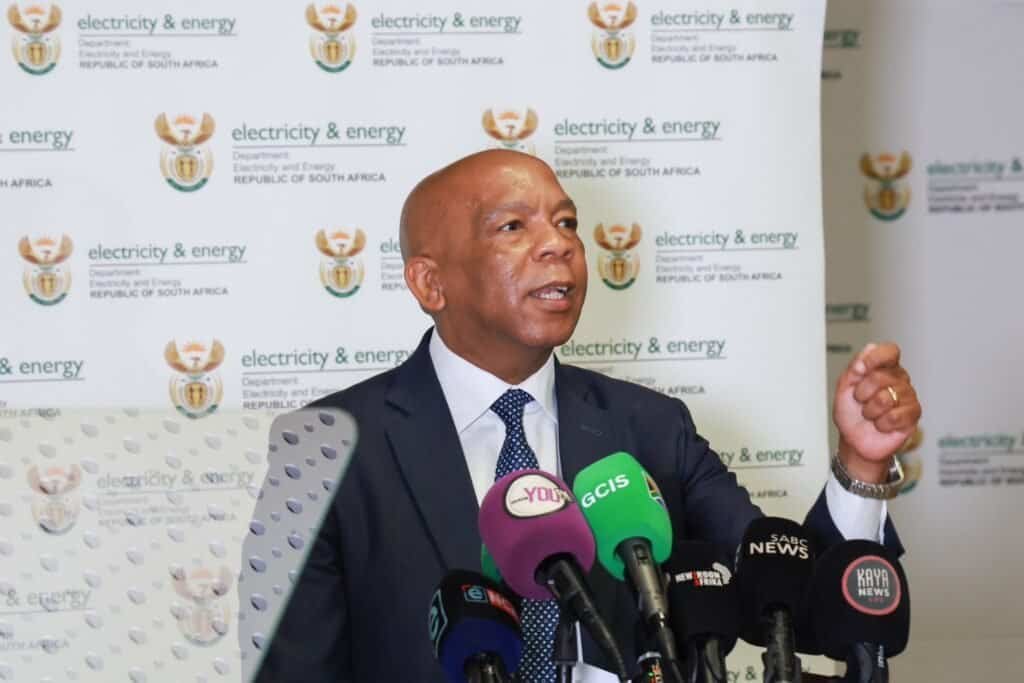
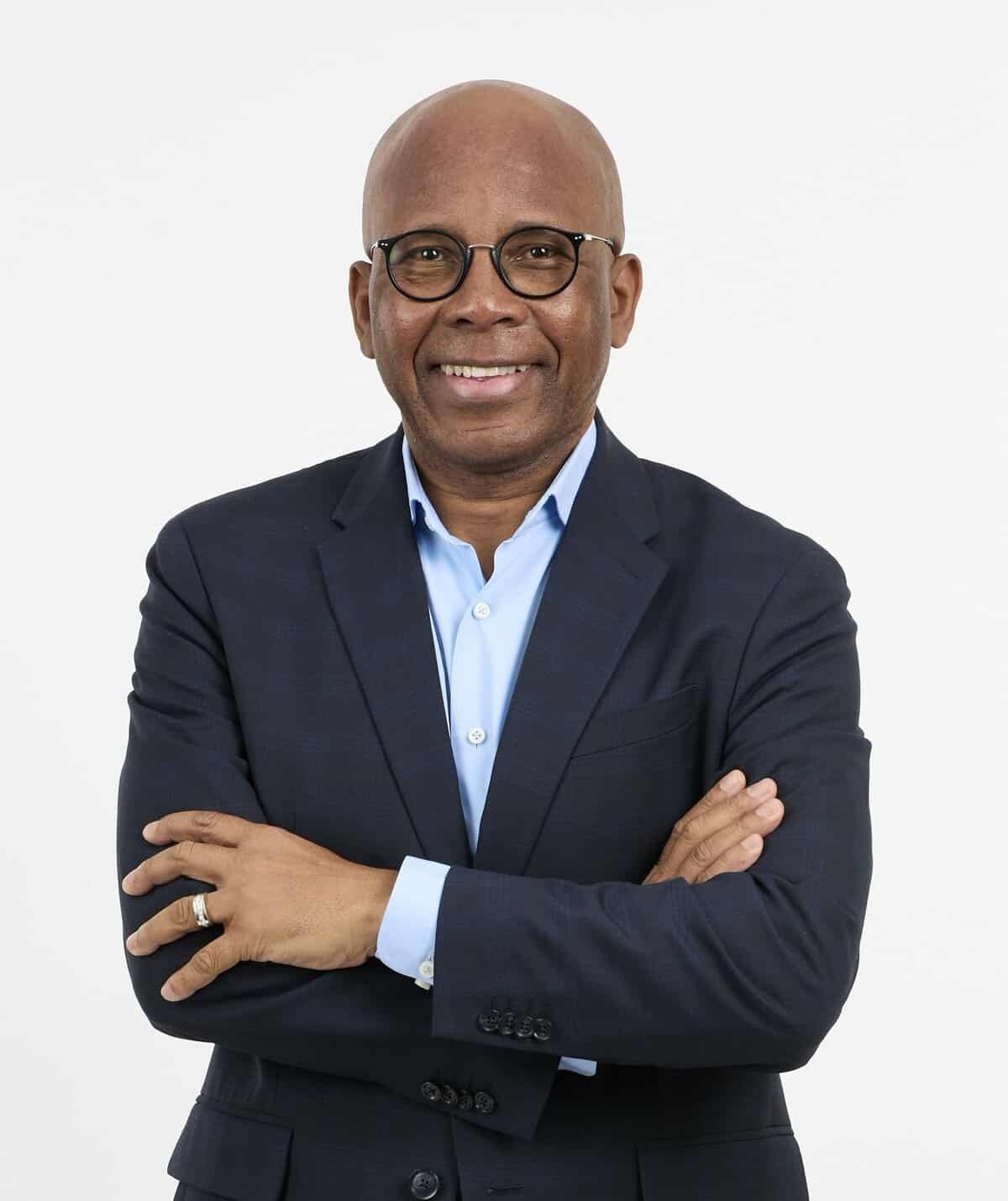
Electricity and Energy Minister Kgosientsho Ramokgopa has extended Dr Mteto Nyati’s tenure as Eskom board chairperson, while demanding a new long-term strategy to transform the power utility beyond its current generation recovery programme.
Nyati will continue to lead the board as Eskom moves into what Ramokgopa has described as its next phase, with the utility expected to secure long-term energy supply, strengthen its finances, expand the electricity grid and improve services to customers.
Ramokgopa said Nyati’s continued leadership would provide stability as Eskom builds on improvements made to the performance of its existing power stations.
“I thank Dr Nyati for his leadership during a demanding period for Eskom. The improvement in the utility’s performance reflects the work of its Board, management and employees,” Ramokgopa said.
“His continued service will help carry that work into Eskom’s next phase, where the measure of success will be sustained energy security, a financially sound utility and better service to South Africans.”
The minister has now set out a broad shareholder mandate for what he calls “Eskom 2.0”, requiring the board to develop one roadmap covering the next three, five and 10 years.
The roadmap must define Eskom’s public obligations, future generation mix, commercial position and the investment required to sustain the utility.
Ramokgopa said Eskom must ultimately be able to fulfil its mandate without depending on repeated fiscal support or sustained double-digit electricity tariff increases as part of its business model.
The announcement comes after the Generation Recovery Plan improved the performance of Eskom’s existing generation fleet.
However, Ramokgopa said the recovery of the existing fleet was only part of the utility’s long-term challenge.
Eskom must now prepare for new generation capacity, expand the transmission grid, strengthen its relationship with customers and adapt to the growing participation of independent generators and electricity traders.
Under the Integrated Resource Plan 2025, Eskom is expected to conduct the technical and financial work needed for decisions on the future of its generation fleet.
This includes reducing emissions from existing coal-fired power stations, assessing coal abatement technologies and examining the repurposing and repowering of power station sites.
The utility must also establish its strategic role in gas and nuclear energy.
Eskom Green has been tasked with turning its approved strategy into a credible pipeline of projects, with planned discussions with potential partners for about 2GW of renewable energy capacity forming an early part of that process.
Transmission expansion is another major priority.
Ramokgopa said additional transmission infrastructure would be required to connect new generation capacity and supply growing industrial demand.
Eskom and the National Transmission Company South Africa are expected to advance a deliverable grid programme, including Independent Transmission Projects.
The minister said the scale of this investment should also contribute to South African manufacturing, supplier development and skills creation.
Eskom’s strategy is also expected to look beyond South Africa.
Regional electricity demand and supply are expected to inform opportunities for electricity trading and cross-border interconnectors.
The minister said viable projects should be developed with regional partners and potential funders, including the Development Bank of Southern Africa, Industrial Development Corporation and African Development Bank.
Ramokgopa also wants Eskom to strengthen its commercial and customer strategy.
Mining and industrial customers remain important sources of electricity demand, while the growth of data centres will require a deliberate approach to reliable supply, suitable locations, network capacity and long-term contracts.
Customer service is expected to become a central part of Eskom’s plans to retain and attract customers.
The utility is expected to improve the reliability of its service, ensure accurate billing and resolve customer complaints more quickly.
Municipal debt remains a major issue affecting electricity supply and network investment.
The Department of Electricity and Energy will work with National Treasury, the Department of Cooperative Governance and Traditional Affairs and the South African Local Government Association on payment discipline and arrangements affecting sustainable electricity supply.
Ramokgopa also said Free Basic Electricity must reach eligible households.
Smart metering is expected to play a role in improving customer service, revenue collection and the management of distribution networks.
The minister has further instructed the board to focus on reducing system losses and revenue leakage, improving value from procurement, maintenance and project delivery, and strengthening financial controls.
Eskom’s stated objective should be an unqualified audit opinion with no material findings.
The utility is also expected to increase its use of artificial intelligence.
Initially, AI will be used to address technical losses, forecasting and grid management, before being expanded across other areas of Eskom’s operations.
Ramokgopa said reliable and affordable electricity remained important to investment, jobs and households.
“Eskom has an indispensable role in that work. The shareholder expects its Board to turn the gains of the recovery programme into a sustainable future for the utility and a better service for the people who depend on it,” he said.
Nyati’s continued leadership places the Eskom board at the centre of the next stage of the utility’s transformation, with the focus shifting from recovering existing generation performance to building a financially sustainable power utility capable of operating in a changing electricity market.