Parliament has directed three of its oversight committees to urgently investigate serious allegations made by KwaZulu-Natal Police Commissioner, Lieutenant General Nhlanhla Mkhwanazi, implicating senior police officials and Police Minister Senzo Mchunu in political interference and corruption.
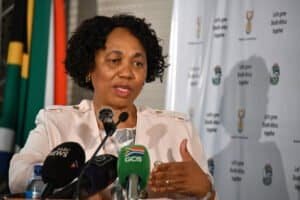
On Wednesday, National Assembly Speaker Thoko Didiza confirmed that the Portfolio Committee on Police, the Portfolio Committee on Justice and Constitutional Development, and the Joint Standing Committee on Intelligence have been instructed to consider the claims and report back to the National Assembly.
Didiza rejected requests from two political parties for an emergency debate on the issue, stating that a parliamentary debate would be premature given that the allegations remain unproven. Her office said it was more appropriate for the committees to act within their oversight mandate and present findings in due course.
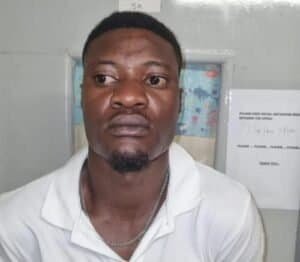
This development follows a public briefing by Mkhwanazi on Sunday, where he alleged that Police Minister Mchunu and his associate, Brian Mogotsi, had interfered in SAPS operations. He further linked the minister to Vusumuzi “Cat” Matlala, a businessman recently arrested for attempted murder, who had previously secured a R360 million SAPS contract under questionable circumstances.
Mkhwanazi claimed that cellphone evidence retrieved during Matlala’s arrest pointed to a wider network of communication involving the minister and Mogotsi. He also alleged that 125 dockets linked to political killings had been removed from the specialist task team investigating those cases. The directive, he said, came from Deputy National Commissioner for Crime Detection, Lieutenant General Shadrack Sibiya, under instructions from Mchunu.
The Democratic Alliance announced that it will lay criminal charges against Minister Mchunu on Thursday, 10 July. DA Deputy Chief Whip Baxolile Nodada, justice spokesperson Glynnis Breytenbach, intelligence spokesperson Dianne Kohler Barnard, and deputy police spokesperson Lisa Schickerling will lead the legal action. The charges are to be laid at Cape Town Central Police Station.
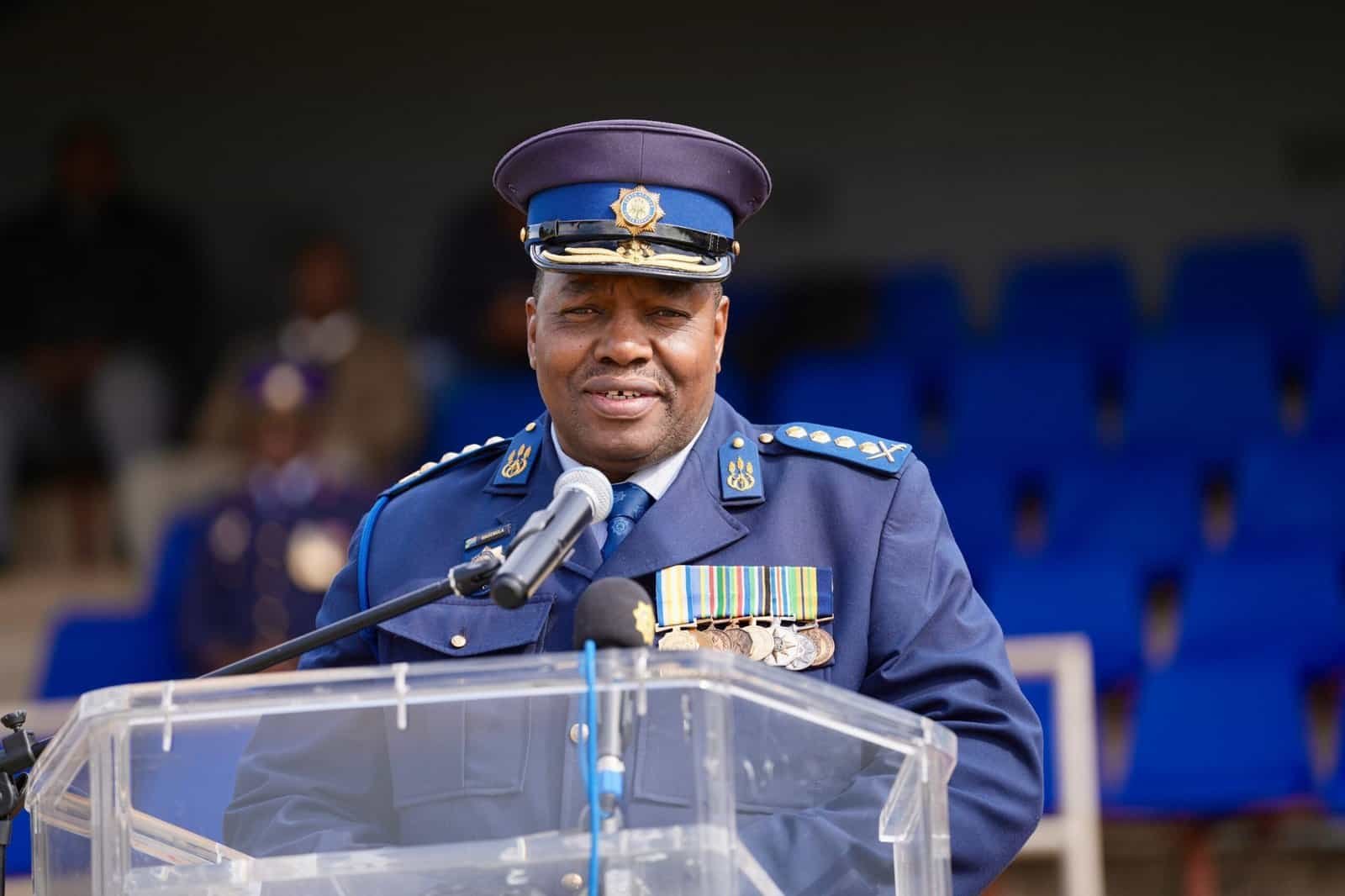
Responding to the controversy for the first time, National Police Commissioner General Fannie Masemola held a virtual press briefing from Vanderbijlpark on Wednesday. Masemola described the current situation within the SAPS as “unprecedented and concerning” and said the matter required “uncompromising intervention” to restore institutional stability.
Masemola said SAPS leadership was prepared to brief President Cyril Ramaphosa upon his return from the BRICS summit in Brazil.
“We are ready to brief the president. The national commissioner cannot act without first engaging the president. We await that engagement as soon as he returns,” Masemola said.
Addressing claims that the political killings task team had been disbanded, Masemola denied authorising its closure. “I have never seen any letter which I signed to close down the political killings task team,” he said.
Mkhwanazi had claimed that the removal of the 125 case dockets effectively incapacitated the task team. According to him, these cases were transferred out of KwaZulu-Natal to Pretoria following instructions allegedly issued from Mchunu’s office through Sibiya.
Masemola confirmed that SAPS had taken steps to increase Mkhwanazi’s personal security. “Yes, protection has been beefed up. We are aware of the sensitivity of this matter and the possible risks that may arise,” he said. No further operational details were provided.
Matlala’s company had been awarded the R360 million contract in 2024. However, in May 2025, Masemola repealed the contract, citing procurement irregularities. He said Matlala’s company should not have progressed past the first stage of bidding. Following his arrest in May on attempted murder charges, police forensic analysis of his phone allegedly uncovered extensive communication with Mchunu and Mogotsi.
Minister Mchunu’s office on Wednesday insisted that he does not know Matlala.
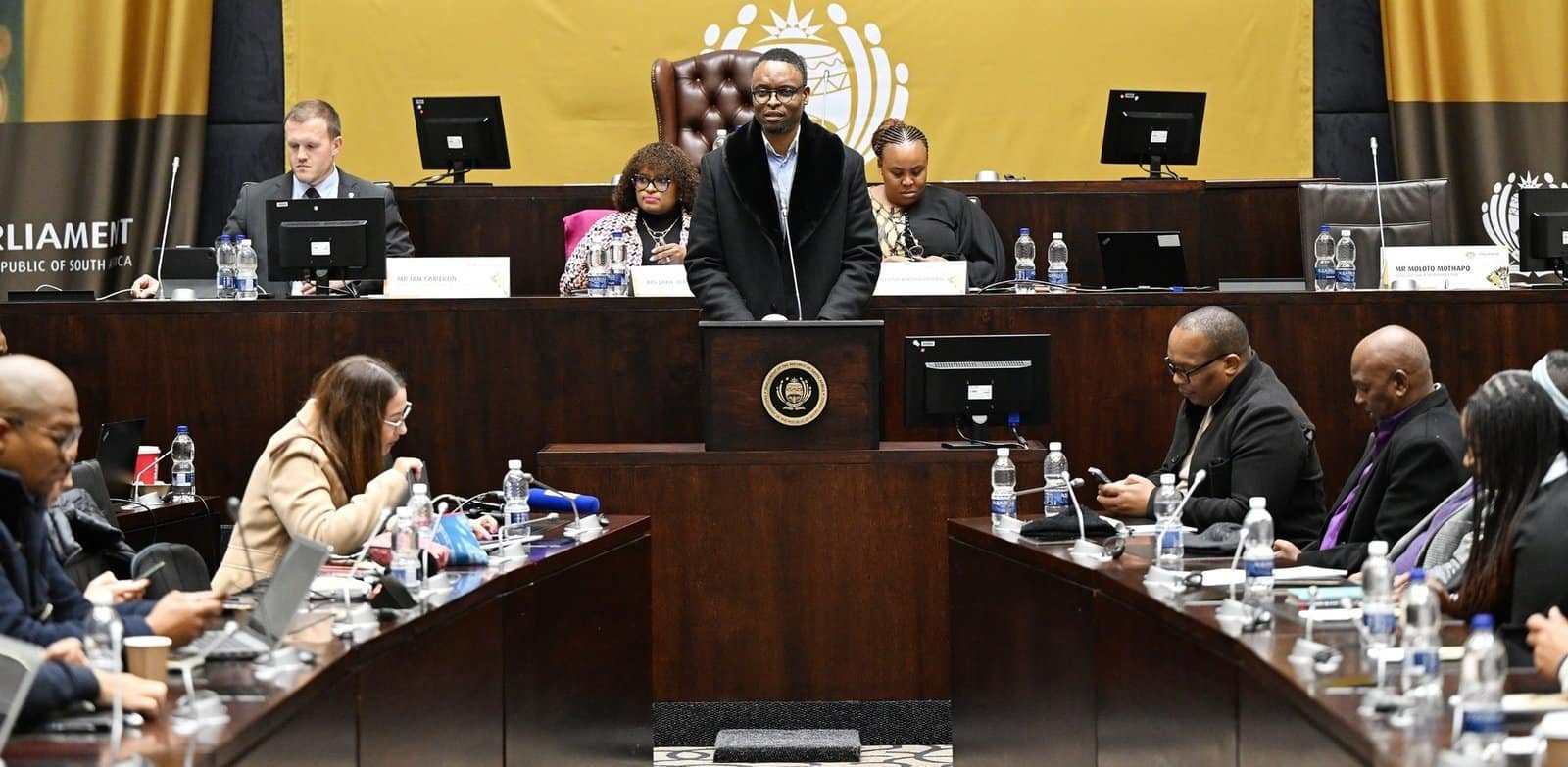
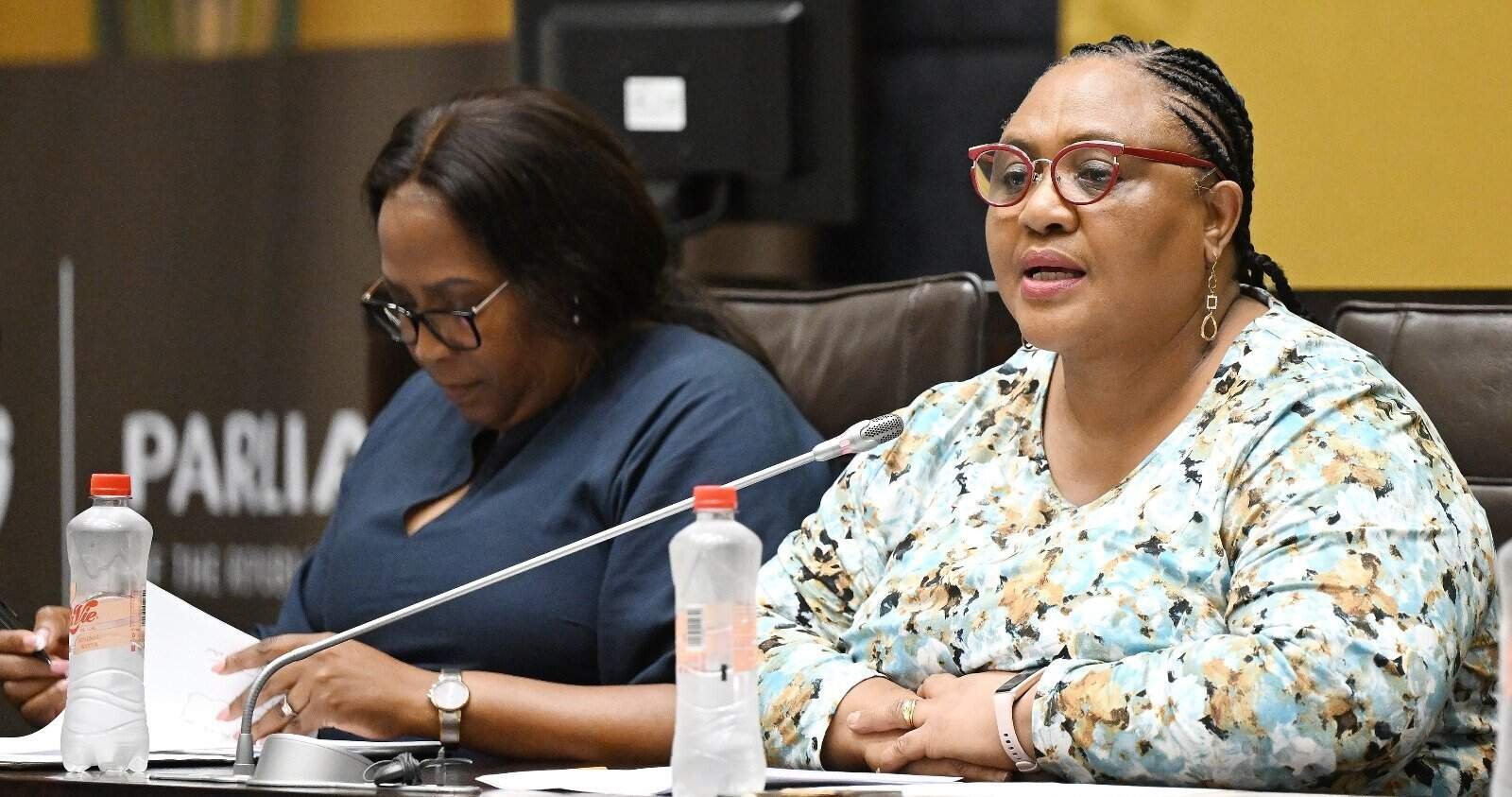
The Speaker’s decision to activate three oversight committees comes amid growing pressure on Parliament to take decisive action. The Portfolio Committee on Police, led by Tina Joemat-Pettersson’s successor, has been under criticism for failing to exercise rigorous oversight over SAPS in previous years.
The Joint Standing Committee on Intelligence is expected to receive classified briefings relating to the alleged corruption and interference.
Parliamentary insiders say the committees have been instructed to meet urgently and coordinate their investigative scope. A consolidated report will be expected before the end of the current legislative recess, with Parliament scheduled to resume full operations in August.
President Ramaphosa has acknowledged the seriousness of the claims and committed to addressing the matter when he returns to South Africa. According to sources close to the Presidency, the National Commissioner and other key SAPS officials will be required to provide written submissions and may be summoned to an in-person meeting within days of the President’s return.
Civil society organisations, including the Ahmed Kathrada Foundation and the Council for the Advancement of the South African Constitution (CASAC), have called for an independent commission of inquiry. They argue that internal investigations are unlikely to produce accountability given the levels of political involvement alleged.
Political analyst Lukhona Mnguni said the dispute marks one of the most serious governance crises in SAPS history. “We are seeing a collapse of trust not just in the institution of SAPS but in the chain of political command. Parliament and the President must move swiftly to ensure institutional stability and public confidence,” Mnguni said.
As the crisis unfolds, the future of Minister Mchunu hangs in the balance. If the DA proceeds with its criminal complaint and evidence emerges to substantiate Mkhwanazi’s claims, it may force the Presidency to take disciplinary or executive action. The same applies to Deputy Commissioner Sibiya, whose alleged role in reassigning the political killings dockets is now a central focus of inquiry.
The Speaker’s intervention and the formation of a multi-committee inquiry mark the beginning of what is likely to be a long and contentious process. The credibility of SAPS, and the political leadership overseeing it, now stands on uncertain ground.