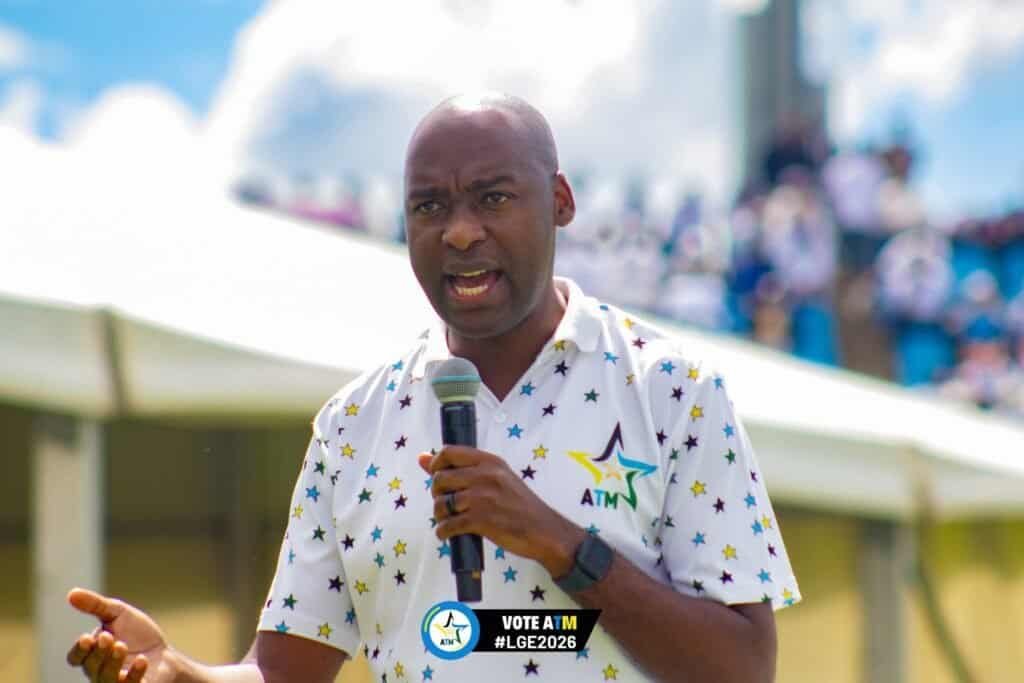
The African Transformation Movement (ATM) has vowed to challenge the Western Cape High Court’s decision to set aside the Section 89 Independent Panel report into the Phala Phala scandal, describing the judgment as a blow to constitutional democracy and presidential accountability.
The party, says it strongly disagrees with Wednesday’s ruling, which declared the report unlawful and invalidated all subsequent steps taken by Parliament’s Impeachment Committee in relation to the findings.
The judgment, delivered by Judge President Nolwazi Mabindla-Boqwana, represents a significant legal victory for President Cyril Ramaphosa, who approached the court to have the controversial report reviewed and set aside.
However, the ATM believes the ruling raises serious questions about whether the country’s highest political office is subjected to the same standards of accountability as ordinary South Africans.
In a strongly worded statement issued on Wednesday, the party said the decision exposed what it considers a dangerous double standard in the application of the law.
“For ATM, this is no longer just about Phala Phala, it is a direct blow to the heart of our constitutional democracy,” the party said.
The ATM argued that the Independent Panel, chaired by retired Chief Justice Sandile Ngcobo, was not required to determine whether the President was guilty of wrongdoing.
Instead, its mandate was to establish whether sufficient grounds existed to justify a full parliamentary inquiry into allegations of misconduct.
The party questioned the court’s approach to the evidentiary threshold applied by the panel, arguing that Parliament should have been given an opportunity to investigate the allegations fully.
It also questioned how allegations surrounding the alleged concealment of a crime, the failure to report it through ordinary criminal reporting channels, the alleged misuse of state resources and a request for secrecy from Namibian authorities could be considered without examining the intentions behind the conduct.
“These are precisely the matters that Parliament ought to have been afforded an opportunity to investigate,” the ATM said.
The party further argued that the judgment, when considered alongside an earlier interim interdict halting parliamentary proceedings, reinforced the perception that different standards of accountability applied to the President and ordinary citizens.
It also drew comparisons with a 2022 ruling involving former Public Protector Busisiwe Mkhwebane.
According to the ATM, the same court had previously refused Mkhwebane an interim interdict, finding that the public interest in parliamentary accountability outweighed the potential personal harm she could suffer.
The party questioned why the prospect of public humiliation and reputational damage was accepted as grounds for halting parliamentary proceedings in Ramaphosa’s case.
“Why should the embarrassment of a President take precedence over Parliament’s constitutional obligation to establish the truth?” it asked.
The ATM said it would urgently consult its legal team with the intention of appealing the judgment and exhausting all available constitutional and legal avenues.
“The identity of the person occupying the Office of the President must never determine the standard of accountability to which that office is subjected,” the party said.
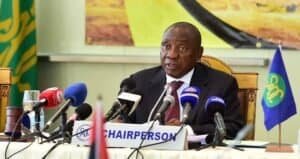
Meanwhile, Parliament’s Impeachment Committee chairperson Makashule Gana said the committee would study the Western Cape High Court judgment before deciding on its next steps.
Gana said the committee would consider the court’s findings and their implications before determining how to proceed.
The ruling has significant implications for Parliament’s handling of the Phala Phala matter, particularly because the court also set aside the steps taken by the Impeachment Committee in relation to the Section 89 report.
National Assembly Speaker Thoko Didiza said Parliament had noted the judgment and would study its implications for the National Assembly and the committee.
In a statement issued on Wednesday, Parliament said Didiza would consider the judgment with a view to giving effect to the court’s order.
“The Speaker will study the judgment, its immediate implications on the National Assembly and its Impeachment Committee, with a view to give effect to the Court’s order,” Parliament said.
The Presidency also indicated that Ramaphosa would study the ruling.
The court’s decision followed the President’s application to review the findings of the independent panel, which had examined whether there was sufficient evidence of misconduct to warrant impeachment proceedings against him.
The panel was established under Section 89 of the Constitution to assess allegations that could constitute a serious violation of the Constitution or other serious misconduct by a sitting president.
The Phala Phala scandal emerged after former intelligence head Arthur Fraser laid criminal charges against Ramaphosa, alleging that foreign currency had been stolen from the President’s farm in February 2020 and that the incident had not been properly reported.
The controversy raised questions about the origin of the foreign currency, the circumstances surrounding its storage at the farm and the President’s handling of the burglary.
In Wednesday’s judgment, the court found that the panel had applied an incorrect prima facie evidentiary standard instead of determining whether there was sufficient evidence to support the relevant allegations.
The judges also found that the panel had gone beyond the scope of its designated mandate.
The court consequently declared the report unlawful and invalid and set aside the subsequent parliamentary steps linked to it. Each party was ordered to pay its own legal costs.
The ruling effectively removes the basis on which the impeachment process arising from the report had proceeded.
While Ramaphosa has secured a significant legal victory, the political fallout is far from over, with the ATM threatening an appeal and Parliament and the Presidency still considering the implications of the judgment.