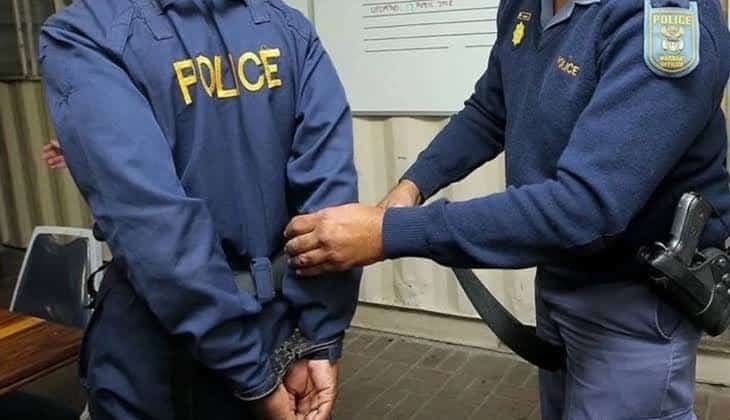
The South African Policing Union (SAPU) and political party GOOD have both sounded the alarm over a deepening leadership and credibility crisis within South Africa’s policing structures, following the arrest of 12 police officers and the summons issued to National Police Commissioner Fannie Masemola.
In separate statements released on Wednesday, SAPU sharply criticised the manner in which the Investigative Directorate Against Corruption (IDAC) carried out the arrests in Gauteng on 24 March, while GOOD called for a sweeping overhaul of the police’s top leadership to restore public confidence.
SAPU spokesperson Lesiba Thobakgale said the union does not oppose accountability but is deeply concerned about what it described as “embarrassing and heavy-handed” arrest tactics.
“We are not saying police officers should not be held accountable if there are allegations against them,” Thobakgale said. “However, the manner in which these arrests were carried out raises serious concerns and appears designed to humiliate members rather than uphold justice.”
The 12 officers are believed to be linked to alleged irregularities in a Bid Evaluation Committee (BEC) process. SAPU argued that the officers were not flight risks, as their residential and workplace details are known, and therefore could have been processed and released to appear in court without being detained overnight.
The union emphasised that the purpose of an arrest is to secure an accused person’s attendance in court, not to punish or publicly shame them. It warned that such actions risk undermining the dignity of accused individuals and could expose authorities to legal challenges over unlawful arrest and detention.
SAPU also raised concerns about what it sees as inconsistent treatment in the justice system, claiming that politicians facing criminal charges are often allowed to appear in court without detention, while police officers are subjected to stricter measures.
“This inconsistency is troubling and undermines confidence in the fairness of the justice system,” Thobakgale added.
The union further questioned the broad scope of the arrests, suggesting that not everyone involved in the BEC process could have committed wrongdoing. It cautioned against what it described as a “blanket approach” that includes all participants without sufficient differentiation.
SAPU pointed to previous high-profile arrests in 2025, including that of Crime Intelligence Divisional Commissioner Lt General Khumalo, which it said were also conducted in a manner that appeared to publicly embarrass senior officers.
Despite its criticism, SAPU reiterated its support for the rule of law and stressed that all accused persons are presumed innocent until proven guilty. It urged IDAC to prioritise building strong, evidence-based cases that lead to successful prosecutions rather than focusing on arrests that generate media attention.
Meanwhile, GOOD Secretary-General Brett Herron said the developments surrounding Masemola and the 12 officers point to a deeper, systemic crisis within the South African Police Service.
Masemola is expected to appear in court next month in connection with a cancelled R360 million police health tender. The case comes amid ongoing revelations at the Madlanga Commission, which has spent months probing allegations of corruption and misconduct among senior police officials.
Herron described the situation as a major setback for both crime-fighting efforts and public trust, warning that the credibility of the police service has been severely eroded.
“For the past six months, South Africans have watched as the integrity of the country’s top police leadership has been steadily dismantled,” he said.
He added that Masemola is likely to be placed on suspension, joining a growing list of senior officials who have already been sidelined, including the suspended Police Minister and the Inspector-General of Intelligence. According to Herron, this has created a dangerous leadership vacuum at a time when the country is grappling with high levels of violent crime, organised criminal activity and persistent corruption.
Herron argued that the government cannot afford to wait for lengthy court processes while communities continue to suffer.
“The President and Acting Police Minister cannot wait for the slow-turning wheels of justice while South Africans face escalating crime and insecurity,” he said.
He called for urgent political intervention, including the establishment of an independent panel of experts to oversee a comprehensive clean-up of the police’s top ranks. The panel, he said, should include criminologists, former prosecutors and experienced policing professionals with “unimpeachable integrity”.
Such a body would be tasked with identifying compromised officials, rebuilding leadership structures and ensuring that future appointments are free from factional influence.
At the same time, Herron stressed the importance of accountability through the justice system, saying both the National Prosecuting Authority and IDAC must demonstrate that there are real consequences for wrongdoing within the police.
“There must be consequences for criminal conduct, regardless of rank,” he said.
While SAPU and GOOD differ in their emphasis, with the union cautioning against the manner of arrests and GOOD calling for sweeping leadership changes, both agree that decisive action is needed to restore integrity, accountability and public confidence in South Africa’s policing system.