The Presidency has strongly denied claims by the Democratic Alliance (DA) that President Cyril Ramaphosa’s Special Envoy to North America, Mcebisi Jonas, was rejected by the United States government. This comes as fresh signs of division emerge within the Government of National Unity (GNU).
In a statement on Tuesday, presidential spokesperson Vincent Magwenya accused the DA of spreading “disinformation” and acting against the national interest. The Presidency said the DA is deliberately trying to embarrass Jonas and mislead the public on South Africa’s international relations.
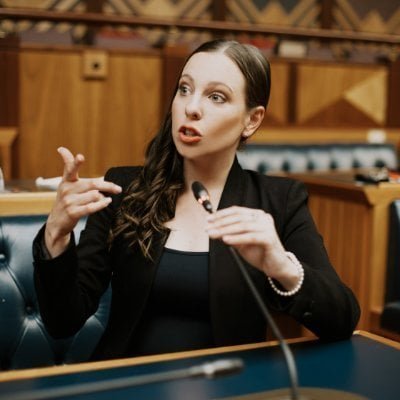
This follows a statement by DA MP Emma Louise Powell, who claimed that Jonas had been denied a diplomatic visa and that his credentials had been rejected by Washington. According to Powell, the US government informed the South African Presidency in May that Jonas would not be recognised as South Africa’s official representative, but Ramaphosa chose to ignore this and kept Jonas in the role.
The Presidency dismissed these claims, saying that special envoys do not require diplomatic credentials or visas in the same way ambassadors do, and that Jonas had not been required to visit the US urgently in recent months. “The President has not had a need for Mr Jonas to visit the United States on urgent business,” said Magwenya.
The Presidency added that Jonas had contributed to developing trade proposals alongside the Department of Trade, Industry and Competition (DTIC) and had supported diplomatic efforts with the US through the Department of International Relations and Cooperation (DIRCO).
The dispute comes as South Africa faces possible 30% tariffs on exports to the US, which could cost the country billions of rands. The DA says the lack of an effective envoy in Washington is weakening South Africa’s ability to respond to the looming crisis.
Powell said Ramaphosa misled the country when he publicly defended Jonas, including in a June television interview, even though he allegedly knew Jonas had been denied entry. She added that the DA would submit a Promotion of Access to Information (PAIA) request to obtain details of Jonas’s official activities and would write to Parliament’s Speaker to demand an urgent briefing on the matter.
The Presidency hit back, accusing the DA of working with foreign interests and undermining South Africa’s sovereignty. “The DA has positioned itself as part of a right-wing nexus that seeks to use a foreign state to effect changes to democratically developed national policies,” Magwenya said.
He further claimed that the DA’s criticism was linked to Ramaphosa’s recent dismissal of DA MP Andrew Whitfield as Deputy Minister of Trade, Industry and Competition. The President removed Whitfield for allegedly acting outside of Cabinet protocols, a move the DA has called undemocratic.
This is the latest in a growing list of disagreements within the GNU. Since the unity government was formed in June, tensions have emerged between the ANC and DA on several issues:
- Foreign Policy: The DA has criticised the ANC’s support for Palestine and Cuba. The ANC, in turn, has accused the DA of siding with Western governments and disrespecting South Africa’s foreign policy.
- Cabinet Tensions: The DA is still fuming over Whitfield’s removal, saying it was not consulted by Ramaphosa as required under GNU rules.
- Police Ministry: The DA has also taken aim at the ANC over the suspension of Police Minister Senzo Mchunu, accusing the government of being soft on corruption and organised crime.
- Trade and Economy: The parties have different approaches to trade and economic policy, with the DA pushing for more market reforms and the ANC favouring a slower transition.
Political analysts say these early signs of division could deepen as more difficult decisions arise in Cabinet and Parliament. With the economy under pressure and South Africa’s diplomatic relations with the US strained, the GNU faces serious tests in the coming weeks.
The DA has called for Jonas to be replaced with a more “credible” envoy to help salvage trade negotiations. The Presidency has rejected this, saying Jonas continues to serve in his role and that the DA is politicising foreign policy.
As the row between the Presidency and the DA escalates, it has raised fresh doubts about the stability of the GNU and whether the coalition partners can continue working together.