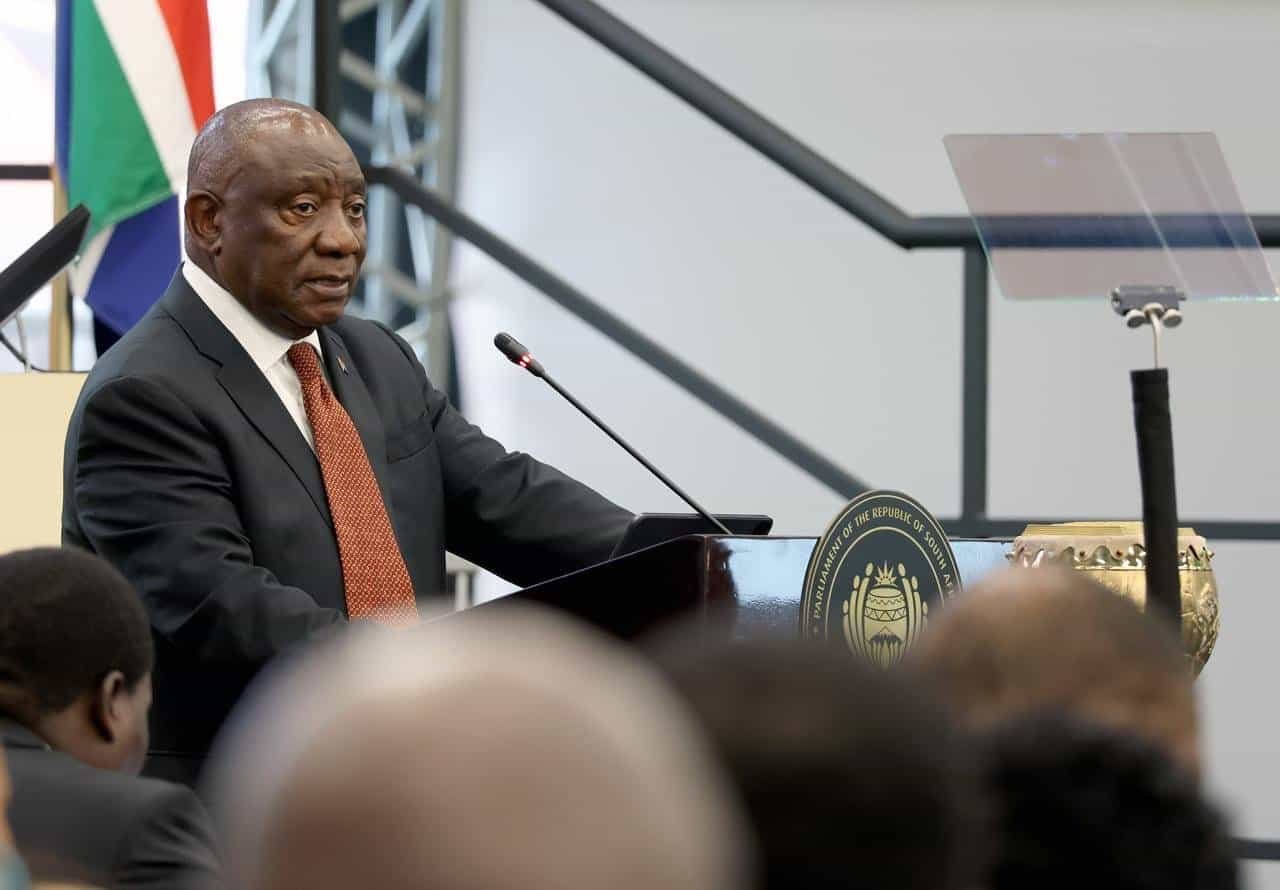
President Cyril Ramaphosa has authorised a wide-ranging investigation into alleged maladministration and possible unlawful conduct involving training contracts awarded by the Private Security Industry Regulatory Authority (PSIRA) and the Unemployment Insurance Fund (UIF), with investigators also mandated to recover any financial losses suffered by the State.
The investigation will be conducted by the Special Investigating Unit (SIU) following the signing of Proclamation 316 of 2026, which grants the anti-corruption body authority to probe the procurement and contracting of training services intended to benefit 7,071 learners across South Africa’s nine provinces.
The proclamation, announced on Thursday, empowers the SIU to investigate allegations relating to the procurement of training programmes, including Election Observer Training, End-User Computing Training, and “PSIRA Grade E to C” Training.
According to the SIU, the investigation will focus on whether procurement processes were conducted in a manner that was fair, competitive, transparent, equitable and cost-effective, as required by law. Investigators will also examine whether public funds were spent lawfully and whether the institutions received value for money from the training initiatives.
The probe forms part of ongoing efforts by the government to strengthen accountability within public institutions and address allegations of corruption, fraud and maladministration involving public resources.
The SIU said it would investigate claims of improper or unlawful conduct by officials and employees linked to the contracts. It will also examine allegations of unlawful appropriation or expenditure of public money, irregular transactions involving State property, and any intentional or negligent actions that may have resulted in financial losses.
The training programmes under scrutiny were intended to equip thousands of beneficiaries with skills that could enhance employment prospects, particularly within the private security industry and other sectors. However, concerns have emerged regarding the manner in which contracts were awarded and implemented.
The investigation period spans from 1 January 2019 to 3 June 2026, the date on which the proclamation was published. However, the SIU’s mandate extends beyond that timeframe where necessary. Investigators may probe related transactions, contracts, individuals or entities connected to the allegations, even if those matters occurred before or after the specified period.
The broad scope of the proclamation is designed to ensure that investigators can fully uncover any patterns of misconduct and identify all parties who may have benefited unlawfully from the contracts.
Should evidence of criminal conduct emerge during the investigation, the SIU will refer the matter to the National Prosecuting Authority (NPA) for possible prosecution. This is in line with the provisions of the Special Investigating Units and Special Tribunals Act of 1996.
While the SIU does not have criminal prosecutorial powers, it plays a critical role in uncovering evidence, tracing public funds and assisting law enforcement agencies in pursuing accountability.
In addition to criminal referrals, the proclamation authorises the SIU to institute civil proceedings in either the High Court or the Special Tribunal. These proceedings may seek to set aside contracts found to be unlawful, recover misappropriated public funds, and correct any administrative irregularities uncovered during the investigation.
The Special Tribunal has become a key mechanism for recovering State funds lost through corruption and irregular procurement. In recent years, the SIU has used the tribunal to recover billions of rand and challenge contracts deemed unlawful.
The latest investigation comes amid continued scrutiny of public procurement practices across government institutions. Authorities have increasingly relied on the SIU to investigate allegations involving misuse of public resources, particularly where concerns arise over whether procurement processes complied with constitutional and legislative requirements.
Although no findings have yet been made against any individuals or entities, the proclamation signals the government’s intention to thoroughly examine the management of the training contracts and determine whether taxpayers suffered any losses.
The SIU emphasised that its work extends beyond recovering funds. The unit also seeks to identify weaknesses in governance systems and recommend measures to prevent future fraud, corruption and maladministration.
As investigators begin their work, attention will focus on whether the training programmes reached the intended beneficiaries, whether services were delivered as contracted, and whether public money was spent appropriately.
The outcome of the investigation could have significant implications for officials, service providers and institutions implicated in any wrongdoing, while also serving as a test of the government’s ongoing efforts to strengthen accountability and protect public resources.