President Cyril Ramaphosa has called for urgent reforms to local government systems to unlock economic growth, warning that poor service delivery and bureaucratic delays continue to hold back investment and small business development across the country.
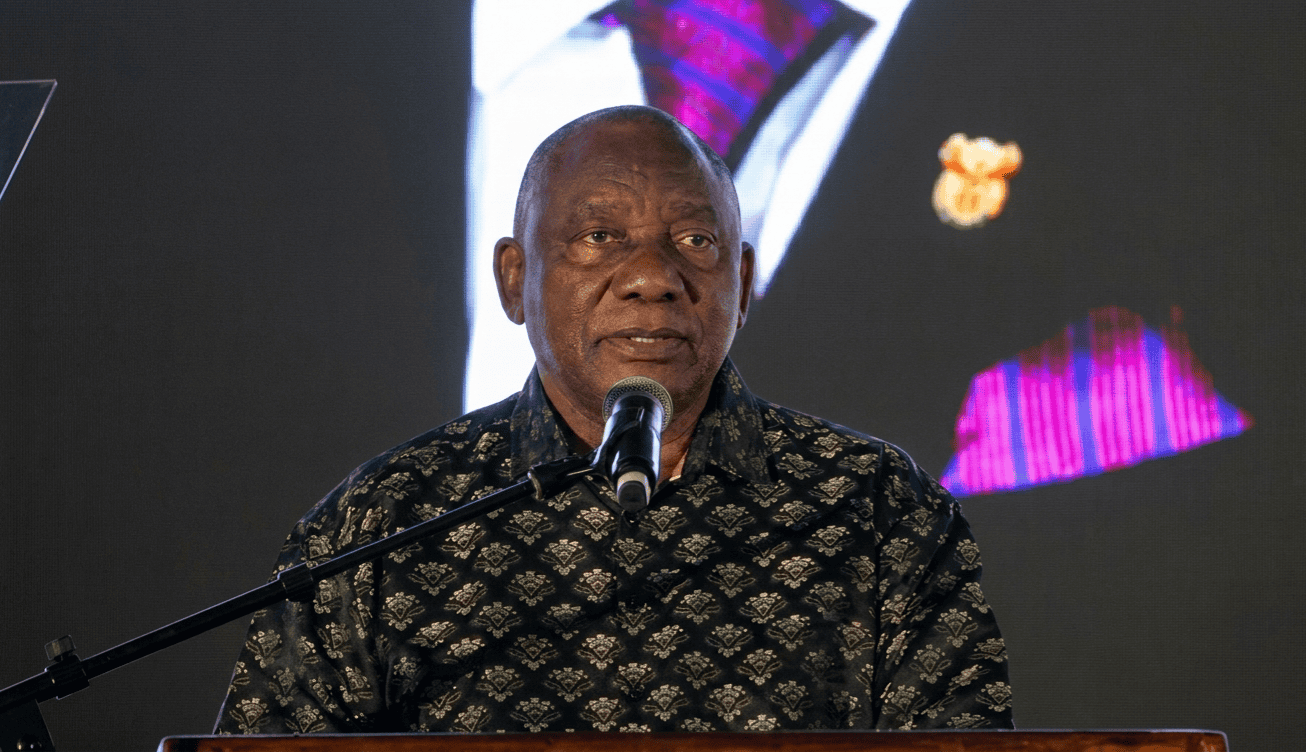
Delivering the keynote address at the 2026 National Local Economic Development Summit held at the Birchwood Conference Centre on Wednesday, Ramaphosa said municipalities must position themselves as “incubators of economic activity” if South Africa is to tackle unemployment and drive inclusive growth.
The summit comes shortly after the country secured a record R890 billion in investment pledges during the sixth South Africa Investment Conference, highlighting renewed investor confidence. However, Ramaphosa stressed that such investments ultimately depend on the effectiveness of local governments, where businesses operate, and communities live.
“Investment does not take place at national landmarks. It happens in metros, towns and villages,” he said, adding that municipalities are the “engine room of development.”
Despite a growing entrepreneurial sector, the President noted that small, medium and micro enterprises continue to face significant challenges, including limited access to funding, inadequate skills development and difficulties integrating into larger value chains. These challenges are compounded by governance failures at municipal level.
Citing findings from the Auditor-General of South Africa, Ramaphosa pointed to persistent weaknesses such as poor financial management, weak revenue collection, irregular expenditure and failing infrastructure. According to recent audit outcomes, only about 38 municipalities out of 257 achieved clean audits in the 2022–23 financial year, reflecting widespread governance shortcomings.
“These challenges translate into unreliable electricity, water insecurity, deteriorating roads and unsafe trading environments,” he said. “Without fixing governance, we cannot fix service delivery, and without service delivery, we cannot unlock local economic development.”
Ramaphosa outlined four key priorities to address these issues. The first is improving infrastructure and service delivery, particularly energy, water and transport systems. He raised concern that many municipalities are failing to meet National Treasury guidelines, which recommend spending at least 8 percent of asset value on maintenance. In many cases, municipalities are allocating less than 1 percent, contributing to infrastructure collapse.
The second priority is reducing red tape to improve the ease of doing business. While some municipalities have adopted efficient systems for issuing permits and licences, Ramaphosa said these remain the exception. Delays in business licensing continue to hinder investment and prevent small enterprises from accessing support.
The third focus area is rethinking local economic development as an integrated system rather than isolated projects. Ramaphosa said municipalities should prioritise reliable services, transparent processes and timely supplier payments to support small businesses. He also highlighted the importance of the District Development Model in aligning national, provincial and local planning through “One Plan” frameworks.
Finally, the President emphasised the need to professionalise local government by appointing skilled and qualified officials and strengthening accountability. He called for stronger partnerships between government, the private sector and financial institutions to expand financing for small businesses, particularly in townships and rural areas.
Ramaphosa also urged greater regional cooperation between municipalities, noting that economic activity often extends beyond administrative boundaries. He pointed to opportunities presented by the African Continental Free Trade Area to integrate local businesses into broader markets.
The summit is expected to produce a coordinated action plan aimed at strengthening municipalities, improving service delivery and accelerating economic growth at local level.