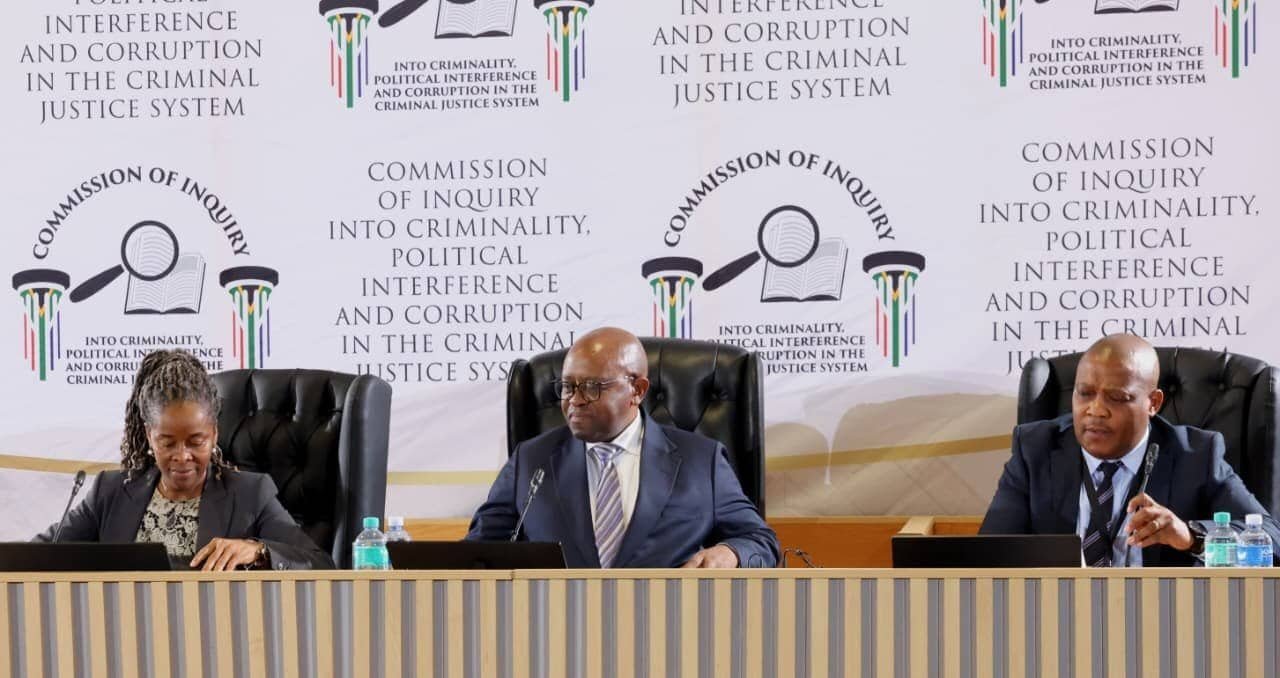
President Cyril Ramaphosa has granted the Madlanga Commission of Inquiry into Criminality, Political Interference and Corruption in the Criminal Justice System an extension to complete its work, citing the need for the commission to hear all outstanding evidence before compiling its final report.
On Thursday, the Presidency confirmed that the commission will now submit its final report on 16 November 2026, instead of the original deadline of 31 August 2026.
The extension sets 2 October 2026 as the deadline for the presentation of evidence, allowing the commission additional time to conclude hearings and investigate issues that emerged during the months of testimony.
“The extension allows the Commission to hear evidence on all of the matters listed in its terms of reference. Without an extension, the Commission will have to leave large parts of its work unfinished,” the Presidency said.
President Ramaphosa also thanked the commission for its work and commended law enforcement agencies for acting on evidence that has emerged during the inquiry.
The commission, chaired by Mbuyiseli Madlanga, was established in 2025 following explosive allegations by KwaZulu-Natal Police Commissioner Lieutenant General Nhlanhla Mkhwanazi that organised criminal syndicates had infiltrated parts of the criminal justice system and were receiving protection from senior police officials and politically connected individuals.
Mkhwanazi’s public briefing triggered one of the biggest crises in South Africa’s law enforcement agencies since the democratic era. His allegations centred on alleged interference in investigations involving controversial businessman Vusimuzi “Cat” Matlala and claims that criminal networks had compromised senior officials within the South African Police Service.
Following the revelations, President Ramaphosa placed then Police Minister Senzo Mchunu on special leave pending investigations. Deputy National Commissioner for Crime Detection Lieutenant General Shadrack Sibiya was also suspended after being implicated during evidence before the commission.
The fallout extended across several law enforcement structures.
Former KwaZulu-Natal Hawks head Major General Lesetja Senona was suspended before later resigning with immediate effect, while several senior police officers were subsequently suspended, arrested or became subjects of criminal investigations linked to corruption, tender irregularities and alleged interference in criminal investigations.
The commission’s work has also been overshadowed by a series of dramatic developments involving individuals connected to its investigations.
Witness D, Marius van der Merwe, died while investigations linked to the commission were underway, while another individual, Wiandre Pretorius, died by suicide in circumstances that drew significant public attention.
Earlier this month, suspended Crime Intelligence deputy head Major General Feroz Khan survived an alleged shooting in Houghton, prompting heightened concerns over the safety of individuals connected to the inquiry.
Businessman Vusimuzi “Cat” Matlala has remained at the centre of many of the allegations examined by the commission.
Matlala has already admitted guilt in relation to the controversial South African Police Service health services tender that became one of the key issues examined during the inquiry. He is also facing several other criminal matters, including an attempted murder case in the Gauteng High Court.
He has indicated his willingness to become a state witness and is expected to testify before the Madlanga Commission next week. His anticipated evidence is expected to provide further details about alleged corruption networks involving politicians, police officials and businesspeople.
Investigations linked to the commission have continued to gather momentum.
Authorities in May this year arrested alleged political fixer Brown Mogotsi as part of ongoing investigations into allegations of corruption and criminal syndicates.
Several serving and former police officers have also been arrested in recent weeks as specialised investigation teams continue acting on evidence presented before the commission.
In another development linked to the widening investigations, SAPS Brigadier Rachel Matjeng, who publicly claimed to have been Matlala’s romantic partner, was dismissed from her government position following internal disciplinary processes.
The commission’s impact has extended beyond the police.
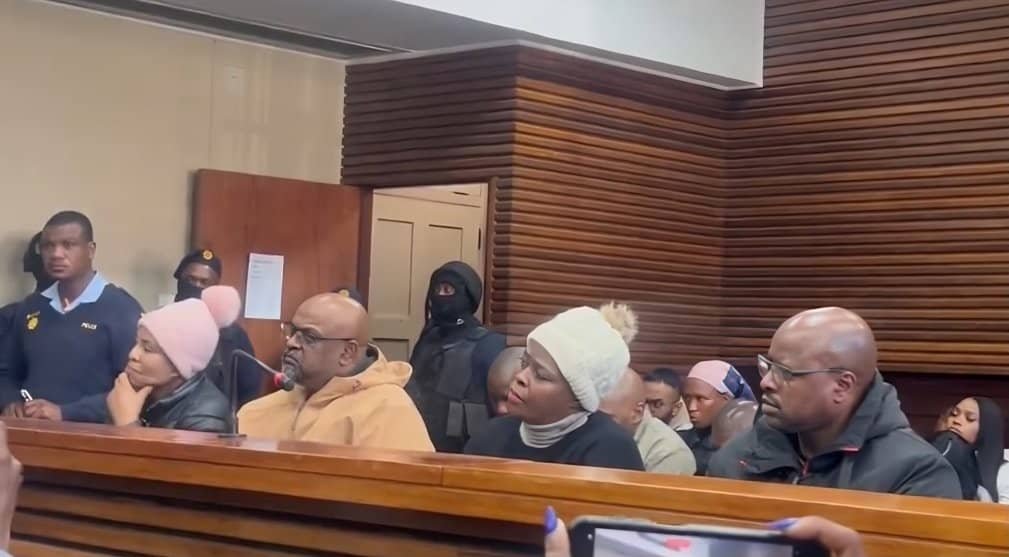
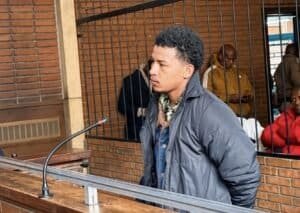
On Thursday, four current and former senior officials from the City of Ekurhuleni appeared in the Germiston Magistrate’s Court after being arrested during an overnight operation conducted by the Commission Recommendations Task Team.
Those arrested are former City Manager Imogen Mashazi, suspended Head of Legal Risk Services Kemi Behari, suspended Head of Human Resources Linda Gxasheka and suspended Ekurhuleni Metropolitan Police Department Acting Chief Commissioner Julius Mkhwanazi.
The four face charges including fraud, corruption and defeating the ends of justice.
Their arrests form part of a growing number of criminal cases arising directly from evidence gathered during the commission’s proceedings.
Investigators allege that corruption within municipalities, law enforcement agencies and other state institutions formed part of broader criminal networks that manipulated procurement processes and obstructed investigations.
The latest arrests follow several other operations targeting current and former officials across various government departments and municipalities.
Since its establishment, the Madlanga Commission has heard evidence from police generals, prosecutors, intelligence officials, politicians, whistleblowers and private individuals.
Testimony has exposed allegations of political interference in criminal investigations, manipulation of police appointments, abuse of intelligence structures, procurement corruption and links between organised crime syndicates and state officials.
Law enforcement agencies have repeatedly confirmed that evidence emerging from the commission has been referred to specialised investigative teams for criminal investigation, resulting in multiple arrests, disciplinary proceedings and asset forfeiture applications.
With the extended timetable now in place, the commission is expected to conclude evidence by early October before preparing what is likely to be one of the most significant reports into corruption and organised crime in South Africa’s democratic history.
Its final report, due on 16 November 2026, is expected to include recommendations on criminal prosecutions, institutional reforms, disciplinary action against implicated officials and measures aimed at strengthening the independence and integrity of South Africa’s criminal justice system.