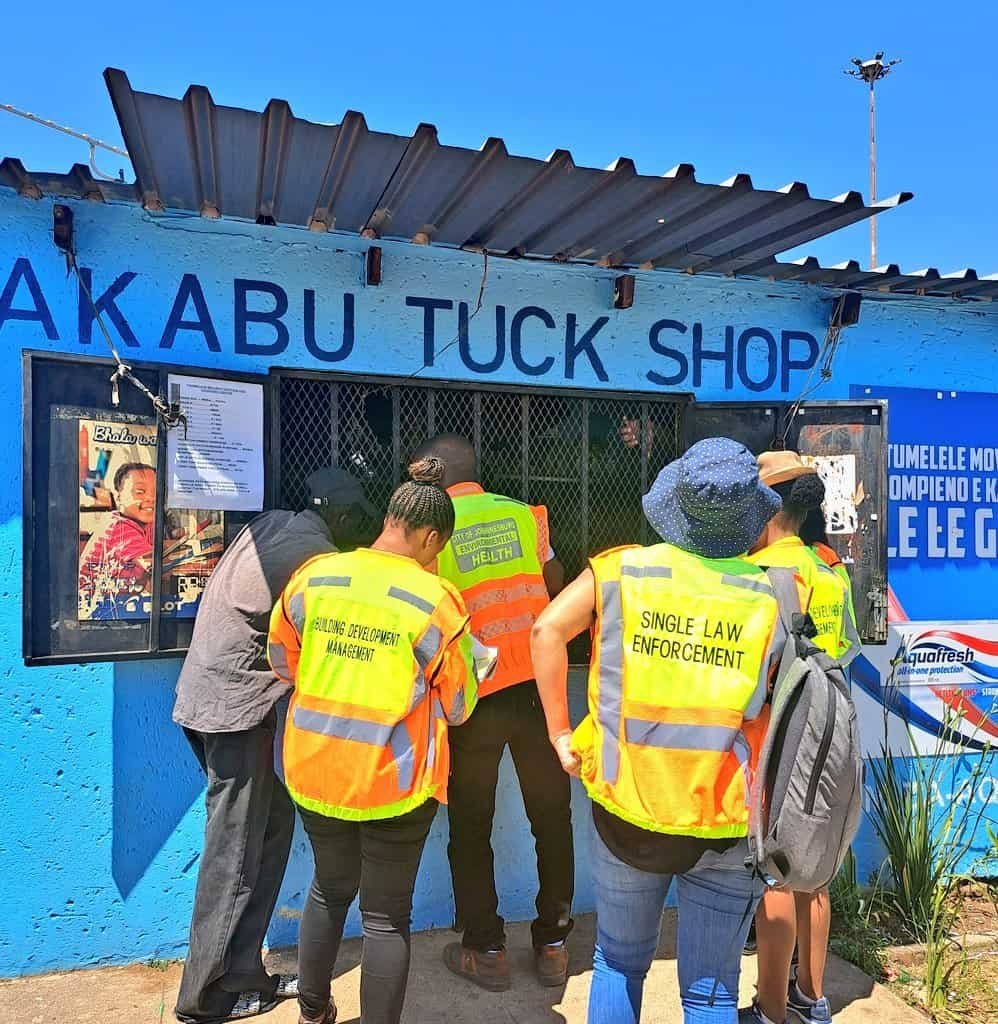
The Public Protector South Africa (PPSA) says its investigation into allegations of weak enforcement of food safety and hygiene regulations at food-handling premises, including spaza shops, is nearing completion.
The update was contained in a letter dated 8 June 2026 from the Public Protector’s Gauteng Provincial Representative, Vusumuzi Xolani Dlamini, to African Transformation Movement (ATM) parliamentary leader Vuyolwethu Zungula.
African Times is in position of the letter which was shared on Monday.
The investigation stems from a complaint lodged by Zungula on 22 October 2024, following growing public concern over food safety standards at spaza shops and other food outlets. The issue gained national attention after several incidents involving contaminated food products and reports of deaths and illnesses among children in different parts of the country.
According to the Public Protector, the probe focused on allegations that various organs of state failed to effectively enforce laws and regulations designed to ensure food safety and hygiene compliance at businesses handling and selling food.
In the correspondence, Dlamini said the investigation adopted a multi-sectoral approach, with the PPSA consulting and receiving submissions from several government departments and agencies responsible for food safety oversight, as well as other stakeholders.
“The investigation is now nearing completion stage,” Dlamini wrote. “The Investigation Team is now evaluating evidence, and applying the appropriate legal framework before any findings can be finalised.”
The Public Protector’s office indicated that the next phase of the investigation could involve the issuing of notices to individuals or institutions implicated by preliminary findings.
Where preliminary adverse findings are made, affected parties will receive notices in terms of Section 7(9) of the Public Protector Act, giving them an opportunity to respond before any final conclusions are reached.
Similarly, where the investigation finds insufficient evidence to support allegations, affected parties will be issued with discretionary notices in terms of the applicable rules governing Public Protector investigations.
The PPSA stressed that these notices form part of a fair administrative process and are intended to allow implicated parties to respond substantively to preliminary findings or conclusions before a final report is published.
However, the watchdog said it was not yet in a position to provide a definitive timeline for the completion of the investigation or the release of its final report.
“At this stage, we cannot provide a definitive timeline for completion or issuing of the final report,” Dlamini stated.
The Public Protector has nevertheless assured Zungula that he will continue to receive updates on the progress of the investigation and will be informed once the report has been finalised and issued.
The outcome of the investigation is expected to draw significant public interest, particularly as the government continues efforts to strengthen oversight of spaza shops and informal food traders.
The investigation could also provide clarity on whether municipalities, health departments, regulatory bodies and other state institutions adequately fulfilled their responsibilities to protect consumers from unsafe food products.
Since the complaint was lodged, the government has introduced several interventions aimed at improving compliance within the informal food sector, including registration drives, inspections and stricter enforcement measures.
Should the Public Protector find evidence of maladministration, negligence or regulatory failures by any state institution, remedial action could be recommended.
For the ATM, which has consistently called for stronger action against unsafe food practices, the pending report represents a crucial test of whether state agencies tasked with protecting public health have effectively discharged their constitutional and statutory obligations.
The final findings are expected to shed light on systemic weaknesses in South Africa’s food safety regime and may result in recommendations aimed at preventing future tragedies linked to contaminated or improperly handled food products.