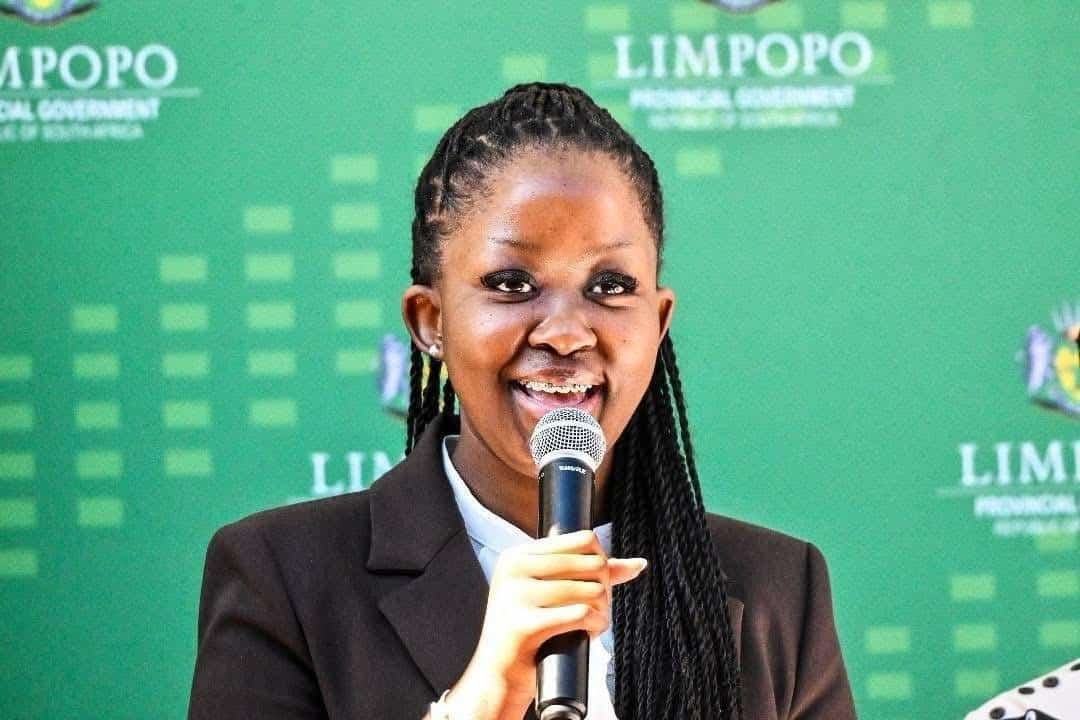
Her Majesty Queen Masalanabo Modjadji VII, the Rain Queen of the Balobedu Nation in Limpopo, has taken on a new leadership responsibility after being appointed Deputy Chairperson of the Forum of South Africa’s Majesties.
The appointment places the Queen in a senior position within a national forum representing traditional leadership and comes at a time when traditional institutions are being called on to play a greater role in addressing some of the country’s most pressing social and community challenges.
The appointment was announced during the Forum’s engagement with Cooperative Governance and Traditional Affairs Minister Velenkosini Hlabisa on 2 October 2026.
Queen Masalanabo succeeds His Majesty King Ndamase, King of AmaMpondo aseNyandeni in Western Mpondoland in the Eastern Cape, who has been appointed Chairperson of the Forum.
For the Balobedu Royal Nation, the appointment is both an honour and a responsibility.
The Office of the Queen congratulated King Ndamase on his appointment and wished him wisdom and strength as he takes forward the collective interests of traditional leadership across South Africa.
The office also paid tribute to the late King Makhosoke II Mabena, the Forum’s former chairperson, recognising his contribution to the unity, dignity and advancement of traditional leadership.
His passing has left a significant space within the institution, with the Balobedu Royal Nation extending its condolences to his royal family, fellow traditional leaders and the communities he served.
Against this backdrop, Queen Masalanabo’s appointment signals continuity while also placing renewed attention on the role of women and younger generations within traditional leadership.
For the Balobedu Nation, the significance of the appointment goes beyond holding a position.
It represents an opportunity to demonstrate how queenship can contribute to preserving cultural heritage while strengthening communities and supporting leadership that brings generations together.
Traditional leadership continues to hold an important place in many rural communities, where royal institutions remain closely connected to culture, identity, customary practices and community life.
The Queen’s new role therefore comes with expectations that traditional leadership should remain relevant to the challenges facing communities today.
Among the issues discussed during the Forum’s engagement with government were gender-based violence and femicide, local government reform, community development, social cohesion and democratic participation.
The leaders also discussed the implementation of the approved White Paper on Local Government.
The issue of gender-based violence and femicide carries particular importance, with the Office of the Queen supporting calls for traditional leaders, families and communities to become more active in protecting women and children.
The Balobedu Royal Nation said traditional leadership has a responsibility to uphold the dignity and safety of women and children, challenge harmful practices, support survivors and work with relevant institutions to strengthen prevention and accountability.
It is a reminder that respect for tradition cannot be separated from respect for the people living within traditional communities.
The office also welcomed cooperation between government and traditional leadership to improve services and advance development in traditional communities.
But it stressed that meaningful engagement should ensure that women, young people and rural communities have a voice in decisions affecting their lives.
This emphasis on inclusion adds another dimension to the Queen’s appointment.
While traditional leadership is rooted in history and heritage, the challenges confronting communities are contemporary. Service delivery, unemployment, violence, development and social cohesion require leaders to engage with communities and institutions beyond the boundaries of tradition.
The Queen’s office also echoed the call for peaceful, free and responsible democratic participation while stressing the non-partisan character of traditional leadership.
That distinction remains important as traditional leaders engage with government and communities while maintaining their role as institutions that serve people across political affiliations.
The Office of Queen Masalanabo expressed appreciation to Minister Hlabisa, the participating deputy ministers and the Forum of South Africa’s Majesties for the engagement and for the confidence placed in the Queen.
For the Balobedu Royal Nation, the appointment is a moment of pride.
But it is equally a moment of renewed responsibility.
The Queen now joins a national leadership platform at a time when traditional institutions are being asked to contribute not only to the preservation of culture but also to the safety, dignity and development of communities.
Her appointment places the heritage of the Balobedu Nation alongside a broader national conversation about what traditional leadership can offer South Africa.
It also reinforces the importance of women having a meaningful place in leadership, including within institutions whose roots stretch back generations.
For the people of Balobedu, Queen Masalanabo Modjadji VII’s appointment is therefore more than a title.
It is an opportunity to carry the dignity of the Rain Queen into a wider national responsibility while honouring the traditions, people and heritage she represents.