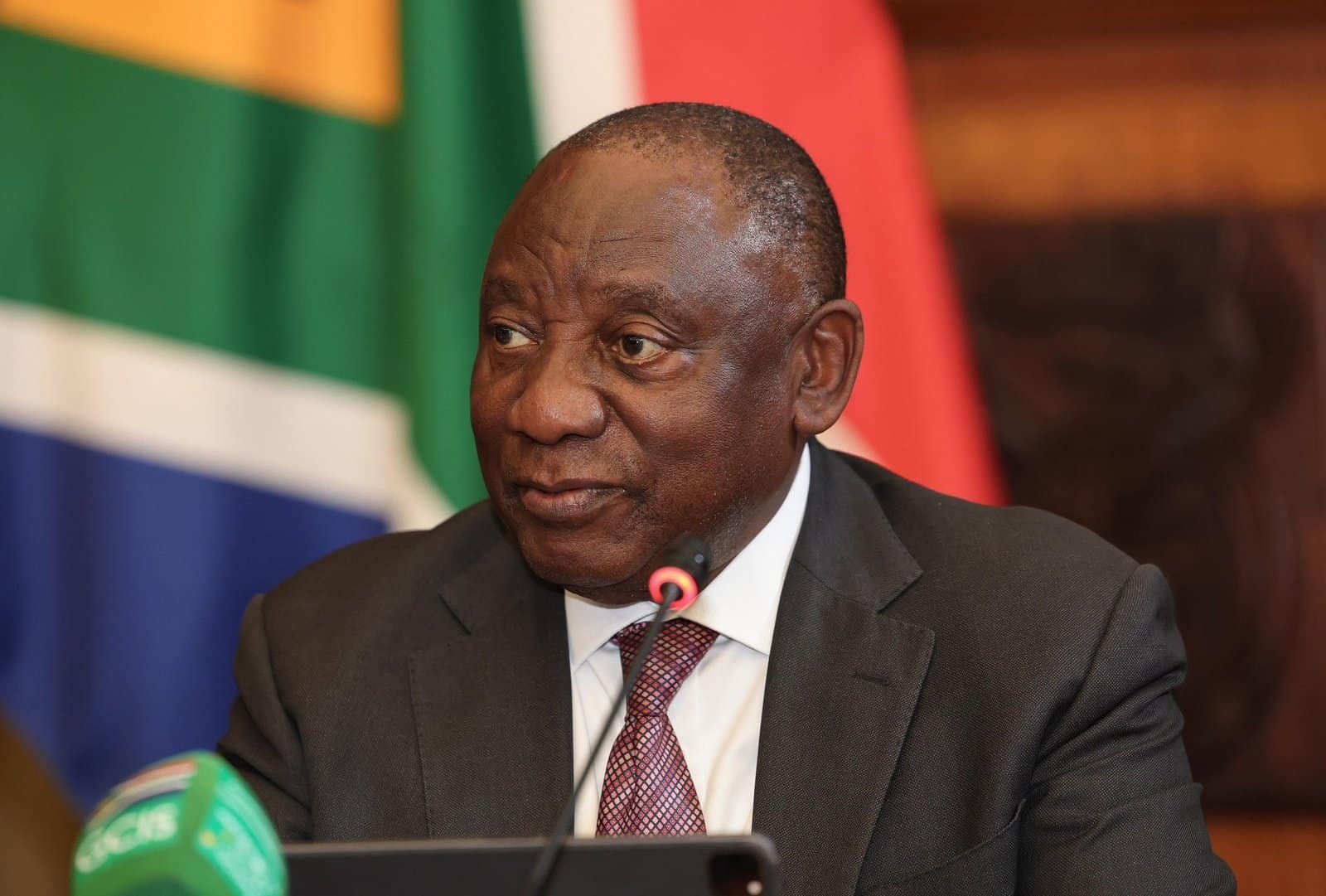
President Cyril Ramaphosa has broadened the scope of the Special Investigating Unit’s (SIU) probe into the controversial Integrated Financial Management System (IFMS) contract, issuing Proclamation 281 of 2025. The amendment extends the unit’s investigation beyond the National Treasury to include the State Information Technology Agency (SITA) and the Department of Public Service and Administration (DPSA).
The IFMS project, intended to modernise and integrate the government’s financial, human resources, and supply chain management systems, has been marred by allegations of irregular procurement and cost escalations. Initiated more than a decade ago, the project has yet to be fully implemented despite billions of rands already spent.
The initial investigation, authorised under Proclamation R.4 of 2020, examined possible misconduct dating back to January 1, 2016. However, the latest proclamation pushes the timeframe back to July 1, 2013, significantly broadening the SIU’s reach.
According to the Presidency, the SIU will now probe: Serious maladministration in the affairs of SITA and DPSA. Improper or unlawful conduct by employees. Unlawful appropriation or expenditure of public funds, and corruption-related offences as outlined in the Prevention and Combating of Corrupt Activities Act.
The investigation will also test whether the procurements complied with constitutional requirements for fairness, transparency, competitiveness, equity, and cost-effectiveness.
The SIU is not only examining the main IFMS tender but also a host of related contracts. These include the appointment of service providers to: Review tender specifications. Provide probity and assurance services. Lead programme management and stakeholder engagement. Assist with organisational change and communications. Conduct strategic systems planning.
The central tender under scrutiny involves the establishment and operation of a Project Management Office (PMO) for the IFMS programme.
The IFMS programme has been one of the government’s most expensive and troubled ICT initiatives. Auditor-General reports indicate that by 2023, more than R1.2 billion had already been spent on the system, with little progress toward implementation. Critics have long warned that weak oversight and procurement irregularities were undermining the project.
SITA, responsible for managing ICT services in government, has itself faced repeated corruption scandals, with senior officials accused of inflating tenders and favouring connected companies. Similarly, the DPSA plays a central role in public service reform, making its inclusion in the probe particularly significant.

In line with the Special Investigating Units and Special Tribunals Act 74 of 1996, the SIU has the power to: Refer evidence of criminal conduct to the National Prosecuting Authority (NPA). Institute civil litigation in the High Court or a Special Tribunal to recover losses.
SIU spokesperson Kaizer Kganyago said the investigation will not only uncover wrongdoing but also identify systemic failures. “The SIU is committed to protecting the public interest and assets through systemic investigations to eradicate fraud, maladministration, and corruption,” he said.
The IFMS probe forms part of Ramaphosa’s broader anti-corruption drive. Since 2018, the SIU has recovered more than R8.6 billion for the state through litigation and settlements, while over 1,000 officials have been referred to departments for disciplinary action.
With the expanded proclamation, the Zondo Commission’s recommendations for tighter controls on ICT procurement in government appear to be gaining traction.
For now, all eyes will be on whether the SIU’s expanded mandate leads to accountability in one of South Africa’s costliest stalled projects.