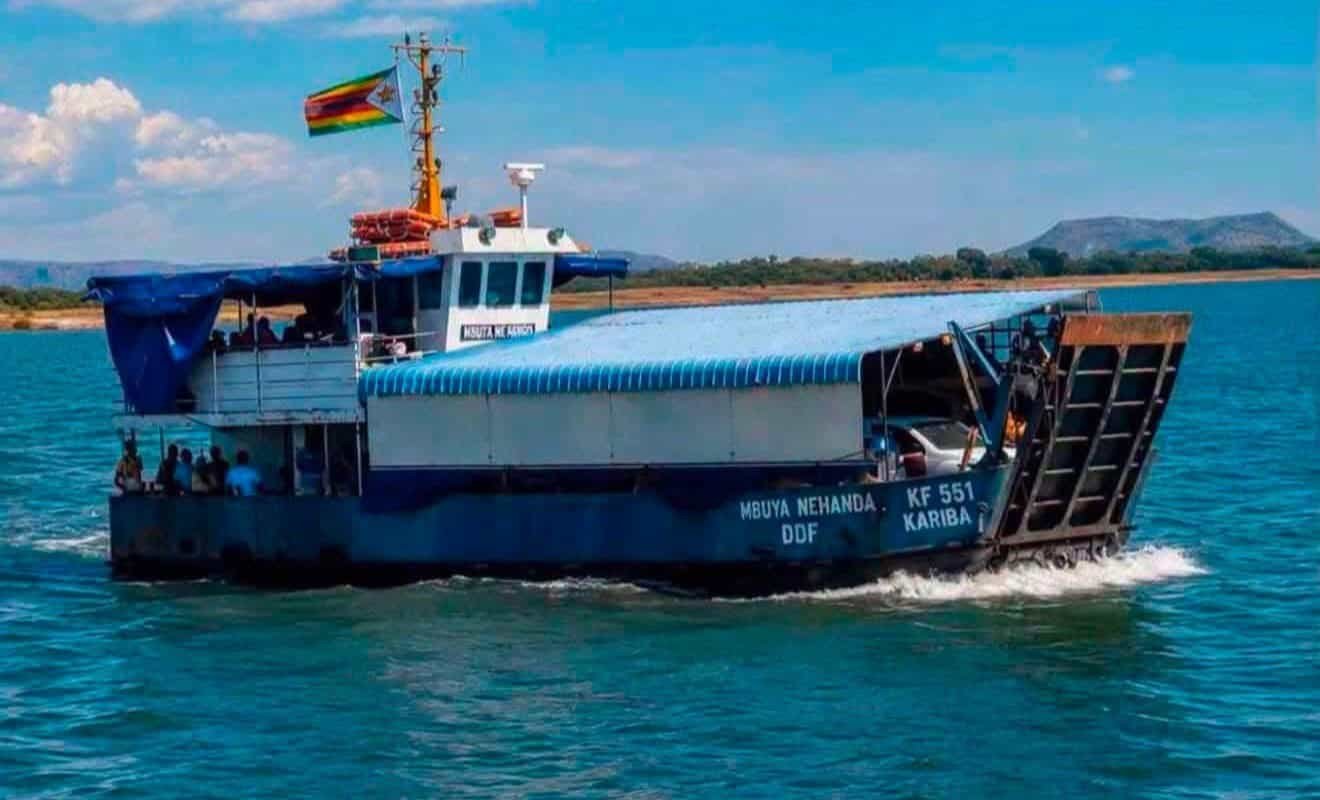
President Cyril Ramaphosa has extended his condolences to Zimbabwe following the deaths of 44 people in the Lake Kariba ferry tragedy, as questions mount over the vessel’s capacity, safety measures and the circumstances surrounding its final voyage.
The ferry, identified as the Mbuya Nehanda, capsized on Lake Kariba on Tuesday, 11 August 2026, while carrying passengers travelling between Kariba town and rural communities in Mashonaland West.
Zimbabwean authorities initially reported that the vessel was carrying 90 passengers and five crew members. However, an incident report circulated by the Rural Infrastructure Development Agency (RIDA) indicated that 114 adult passengers had been confirmed through tickets, alongside five crew members and an undisclosed number of children who were below ticketing age.
Survivors later gave a higher estimate, with one surviving crew member telling Zimbabwe’s state broadcaster that 153 people, including crew and infants, had been on board.
The ferry had a stated capacity of 90 people.
At least 44 people have since been confirmed dead, while rescue teams have been searching for survivors and recovering bodies from the lake. The operation has been complicated by uncertainty over the number of people who were actually aboard because some children may not have been issued tickets.
Survivors have described a desperate struggle before the vessel overturned. Passengers reportedly raised concerns about increasingly dangerous waves and urged the captain to turn back.
One survivor said water was entering the engine room and goods were falling overboard before the ferry capsized. Other survivors said passengers scrambled for life jackets as the vessel began taking on water. (AP News)
Zimbabwean authorities are expected to investigate whether the ferry was overloaded, whether adequate life jackets were available and whether safety procedures were followed.
There were also questions about the vessel’s history. Zimbabwean news outlet ZimLive reported that the Mbuya Nehanda was believed to have been in service since the 1980s, although the exact age and maintenance history are expected to form part of the investigation. The publication also reported claims that a warning had been issued on Tuesday advising boats not to sail because of dangerous waves.
President Emmerson Mnangagwa declared the disaster a state of disaster, allowing the government to mobilise additional resources for the emergency response and assistance to affected families.
The tragedy has also renewed attention on safety on Lake Kariba, one of Africa’s major inland waterways. The lake was created following the construction of the Kariba Dam on the Zambezi River in the late 1950s and early 1960s. It stretches for more than 200km and reaches about 40km in width in places.
In South Africa, Ramaphosa said the country stood in solidarity with Zimbabwe as the neighbouring nation mourned the extensive loss of life.
“As South Africans, we stand in solidarity today with the nation of Zimbabwe as we mourn this extensive loss of life,” Ramaphosa said.
“We wish survivors a speedy recovery and we pay tribute to the emergency services who are working tirelessly to support and bring closure to affected families and communities.”
Presidential spokesperson Vincent Magwenya said the condolences were extended on behalf of the South African government and people.
Ramaphosa’s message comes as search and recovery operations continue and Zimbabwe faces questions over what caused the ferry to capsize and whether the disaster could have been prevented.
The investigation is expected to examine the vessel’s condition, passenger numbers, compliance with safety requirements and the decision to proceed despite reports of hazardous conditions on the lake.