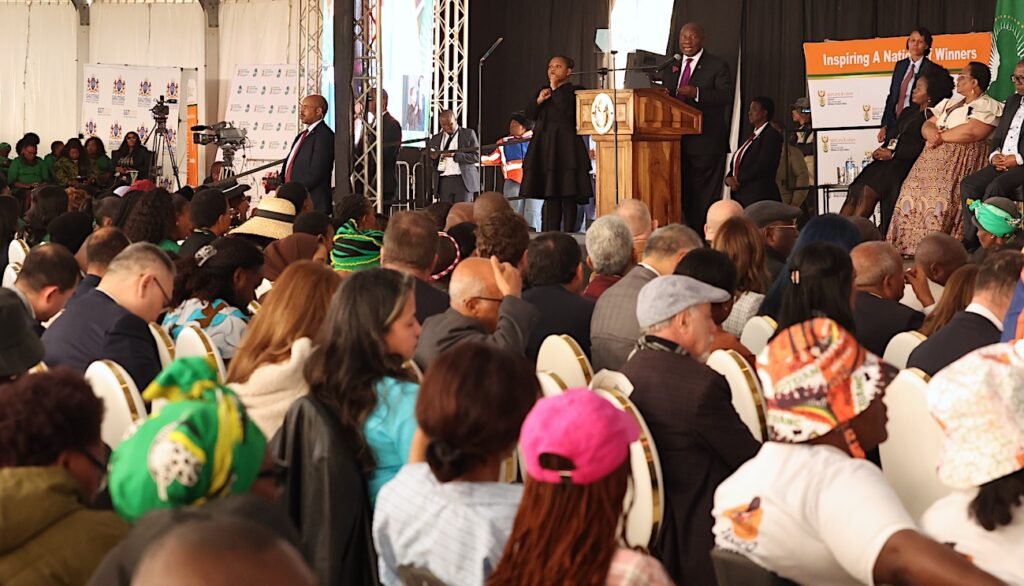
Every August, amidst the pomp and circumstance of Women’s Month celebrations, South Africa pauses to honour women. Politicians stand behind podiums, reading carefully crafted PR speeches about resilience, empowerment and progress. Awards are handed out, social media fills with tributes, and banners proclaim the importance of women.
But beyond the stages and cameras are rural women whose contributions remain largely invisible.
For generations, rural women have held families and communities together while men left home as migrant labourers in search of work in mines, factories and cities. While men became economic migrants, women became the backbone of rural households. They raised children, cared for elderly relatives, worked the land, looked after livestock and kept families together under difficult circumstances.
Many raised children without the daily presence of their fathers. Some endured abandonment, while others navigated relationships strained by distance and economic hardship. Yet they continued to provide stability and care, often with very little support.
For many rural households, social grants remain a lifeline. Women are frequently expected to stretch these limited resources across food, school expenses, transport and other basic needs. They budget, sacrifice and go without so that their families can survive.
But grants cannot replace sustainable employment, functioning local economies and meaningful economic opportunities.
Rural women also confront inadequate healthcare, unreliable water supplies, poor infrastructure, poverty and stock theft. Yet despite these challenges, they continue to carry communities on their shoulders.
Their contribution extends beyond survival. In deeply patriarchal communities, many women have assumed responsibilities traditionally reserved for men. They make decisions about livestock and land, represent families in community structures, resolve disputes and protect household interests.
Their leadership does not always come with a title. It is demonstrated through action.
Rural women are also custodians of South Africa’s cultural heritage. They preserve languages, traditions, oral histories and customs, passing knowledge from one generation to another. They are living archives of communities whose histories might otherwise disappear.
And yet, every year, we celebrate their resilience while failing to confront the conditions that force them to be resilient.
Strength should never become an excuse for neglect.
Rural women do not need another politician reading a speech prepared by a communications officer. They need safer communities, access to land and finance, quality healthcare, reliable infrastructure, economic opportunities and genuine representation in decision-making.
As we celebrate Women’s Month, spare a thought for the grandmother raising grandchildren on a social grant; the mother raising children without an absent partner; the woman protecting her family’s livestock from stock thieves; and the countless women quietly supporting neighbours and entire communities.
These are the real iimbokodo – women who lift other women, raise families, preserve cultures and build futures despite enormous hardship.
Long after the politicians have left the stage, the cameras have been packed away and the speeches forgotten, these women will still be doing the work that keeps rural South Africa alive.
They are nation-builders. They are community leaders. They are custodians of culture. They are the foundation upon which countless families stand.
This Women’s Month, let us honour rural women with more than words.
They deserve more than flowers. They deserve more than applause.
They deserve more than speeches. They deserve action.

Zenoyise John is a communications practitioner and former journalist. She writes in her personal capacity