The South African Farmers Development Association (SAFDA) says the situation is stabilising in the sugar cane industry in KwaZulu-Natal following the departure of foreign nationals who were cutting sugarcane before it is sent to local mills for processing.
The agency, which mainly caters for emerging and black sugarcane farmers, admitted that the sector was slightly hit by the “Abahambe Campaign” which saw the repatriation of thousands of alleged illegal immigrants from countries such as Mozambique, Malawi and Zimbabwe.
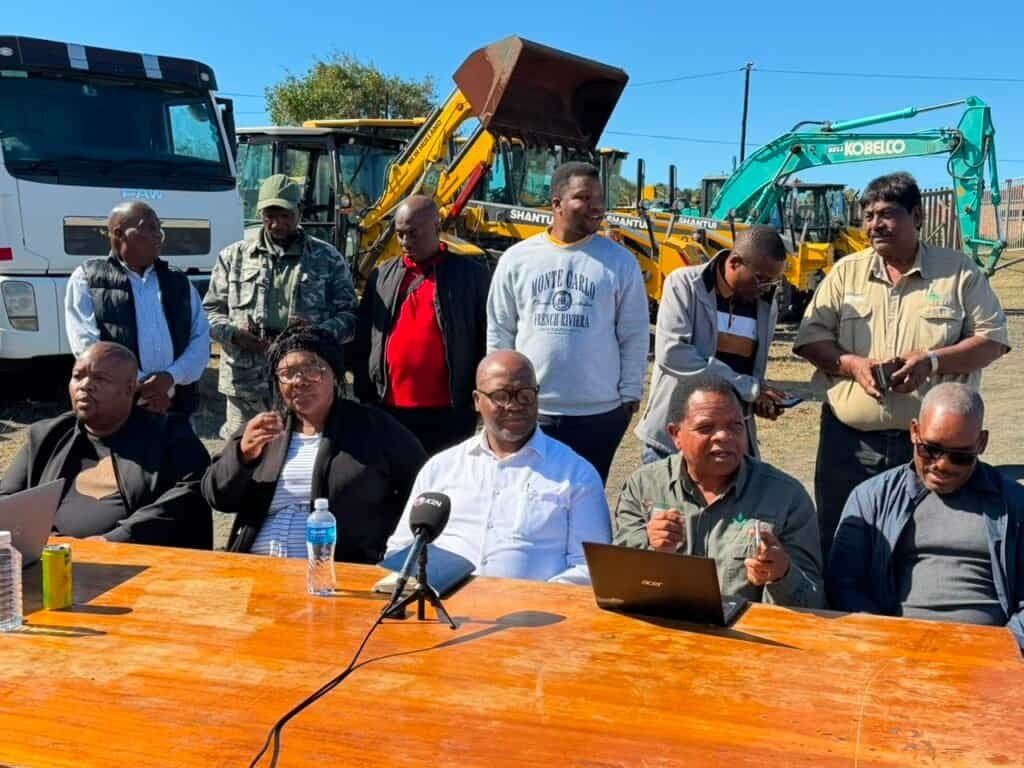
Speaking in Darnall, where there is a sugar mill and a warehouse for the organisation’s R17 million yellow plant equipment, the executive chairman of the organisation, Dr Siyabonga Madlala, said that although the departure of the foreign nationals slightly disrupted the sector, everything is running smoothly.
He pointed out that the reported labour shortage in the sugar fields is historic, saying that even the British settlers in the 1800s had to bring in indentured Indians from India to work in the plantations because locals were not willing to cut cane.
“It’s a fact in this country that our South Africans don’t like the job of cane cutting. In actual fact, we now have a legacy of Indian communities which came about because they were actually brought by the British to work on cane farms.
“So, also over the years we have had a trend where colleagues from the Eastern Cape cut cane because our KZN and Mpumalanga communities never wanted to cut cane. It is one of those jobs that fellow South Africans just don’t want to do. So, we were affected by this, the Abahambe drive. Though we may have people who were here legally, they felt unsafe; they felt they couldn’t continue with that job.
He added that there was no sugar in the province that stopped because there was no supply of cane.
“It has since changed again and there is a bit of stability around, but the challenge remains, South Africans don’t want to cut sugarcane,” Madlala said.
Meanwhile, SAFDA’s Chief Operations Officer (COO), Thandokwakhe Sibiya, used the press conference to dismiss claims that the R17 million from the South African Sugar Association (SASA) to buy yellow plant equipment for farmers to harvest their yield and move it to mills was squandered.
He said anyone who wants to view the equipment can go to Darnall near Stanger and view it.
“As we sit, the sugar industry is sitting with the proof of payments for the purchases that were done as well as the invoices that were generated when these transactions were being implemented. It just boggles the mind then to think how a whole R17 million and equipment just behind us would just disappear like that when the process was so watertight, and it did not only involve us but it also involved industry stakeholders,” Sibiya said.
Sibiya also responded to the issue of retrenched workers, saying they had to let them go because they ran into financial difficulties due to rapid expansion while catering for farmers, not through embezzlement of public funds.