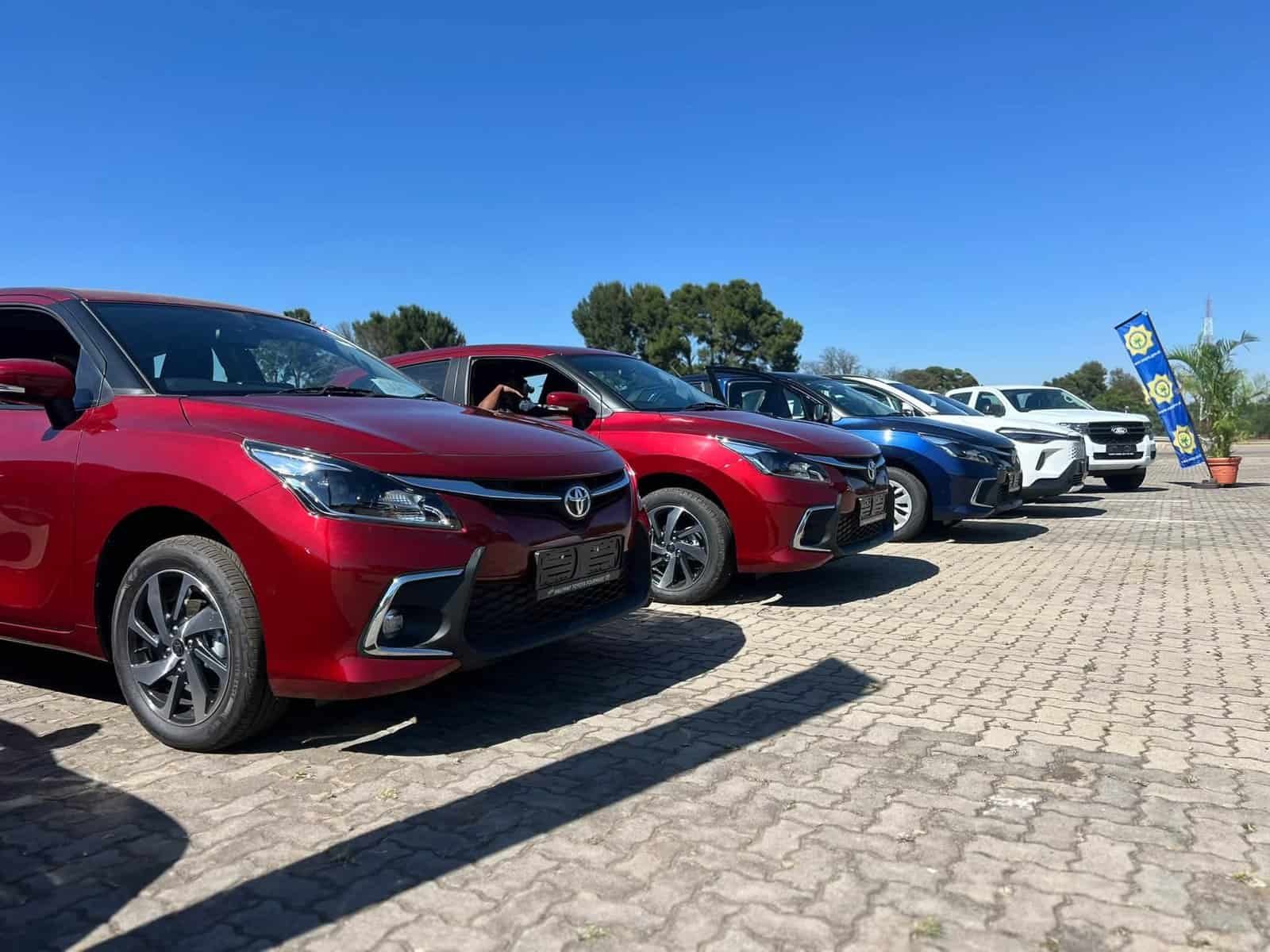
Victims of gender-based violence, abused children and communities battling high crime rates could receive faster police assistance following the handover of 1,087 vehicles to the South African Police Service (SAPS).
National police commissioner General Fannie Masemola said the vehicles were intended to strengthen frontline policing and ensure that people in distress were not left waiting for help because officers lacked the transport needed to reach them.
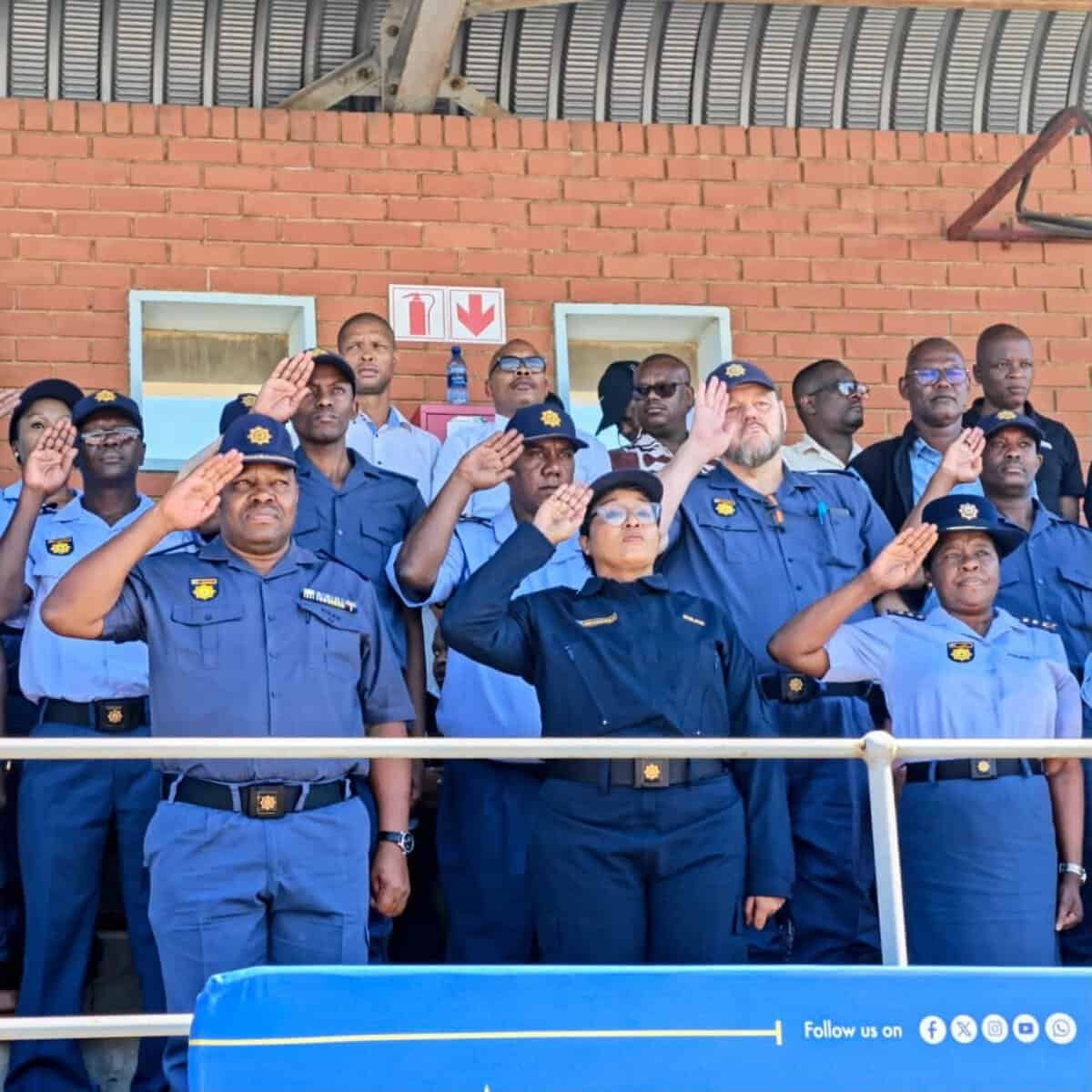
Speaking at the official handover at the SAPS Academy in Benoni, Gauteng, on Thursday, Masemola said the investment was about more than adding vehicles to the police fleet. It was about improving the daily experiences of people who depend on the police for protection, assistance and justice.
“Our communities must experience a police service that is accessible, responsive and present when it matters most,” he said.
The handover forms part of an investment of approximately R518 million in vehicles for the 2026/2027 financial year.
For a victim reporting abuse, a family seeking justice for a child or a resident calling for help during an emergency, the availability of a police vehicle can make a significant difference to how quickly officers respond.
Masemola acknowledged that when police mobility was compromised, communities suffered the consequences through delayed responses, missed opportunities to prevent crime and diminished confidence in law enforcement.
“Our communities do not measure policing effectiveness by the systems we have in place or the resources we announce. They measure it by whether help arrives when they need it, whether their complaints are taken seriously and whether those responsible for crime are brought to justice,” he said.
Of the 1,087 vehicles, 739 will be allocated to Detective Services and Forensic Services, including 200 specifically designated for Family Violence, Child Protection and Sexual Offences (FCS) units.
These specialised units investigate some of the most traumatic crimes affecting society, including sexual offences, domestic violence and child abuse.
Masemola said the allocation was intended to improve investigators’ mobility, support investigations and strengthen the police response to vulnerable victims.
“Behind every case is a person whose dignity, safety and right to justice must be protected,” he said.
He added that victims approaching police at their most vulnerable deserved assistance that was professional, compassionate, timely and sensitive to their circumstances.
The emphasis on protecting women and children comes ahead of the annual 16 Days of Activism for No Violence against Women and Children campaign, which runs from November 25 to December 10.
Masemola stressed that protecting vulnerable people could not be treated as a seasonal responsibility.
“We must ensure that victims are not left waiting for assistance because the resources required to reach them are unavailable,” he said.
The remaining vehicles include 290 allocated to Visible Policing and Operations, with support for 10111 emergency call centres and the Flying Squad. Additional vehicles will strengthen operational support, while 58 will be retained at police headquarters as a reserve fleet for special interventions.
The vehicles will be distributed across the country’s nine provinces, with the Eastern Cape receiving 163, Gauteng 151, Mpumalanga 147, KwaZulu-Natal 135 and the Western Cape 113.
The Free State will receive 103 vehicles, North West 84, Limpopo 79 and the Northern Cape 54.
A key priority will be strengthening the operational capacity of 140 identified high-crime police stations, where elevated crime levels place additional pressure on available policing resources.
Masemola said the vehicles were expected to improve responses to complaints, attendance at emergencies, crime-scene management and investigations.
However, he warned that the investment would only achieve its intended purpose if the vehicles were properly managed and deployed where they were most needed.
“These vehicles belong to the people of South Africa. They are not instruments of personal convenience or symbols of privilege. They are operational assets entrusted to the SAPS to protect lives, uphold the law and serve our communities,” he said.
He called on provincial and divisional commissioners, station commanders and fleet managers to ensure proper use, timely servicing and accountability for every vehicle.
The handover also comes as the country prepares for the 2026 local government elections, with the SAPS expected to help ensure that political activities take place without intimidation or violence.
Masemola urged political parties, candidates and their supporters to respect differing political views and resolve disagreements peacefully.
He said the vehicles would contribute to the police service’s broader readiness to protect people and property, maintain public order and safeguard democratic participation.
Ultimately, he said, the success of the investment would not be determined by the number of vehicles handed over but by the difference they made in communities.
“Let us ensure that this investment is felt where it matters most: on our streets, at our police stations and in the lives of the people we are entrusted to protect,” Masemola said.