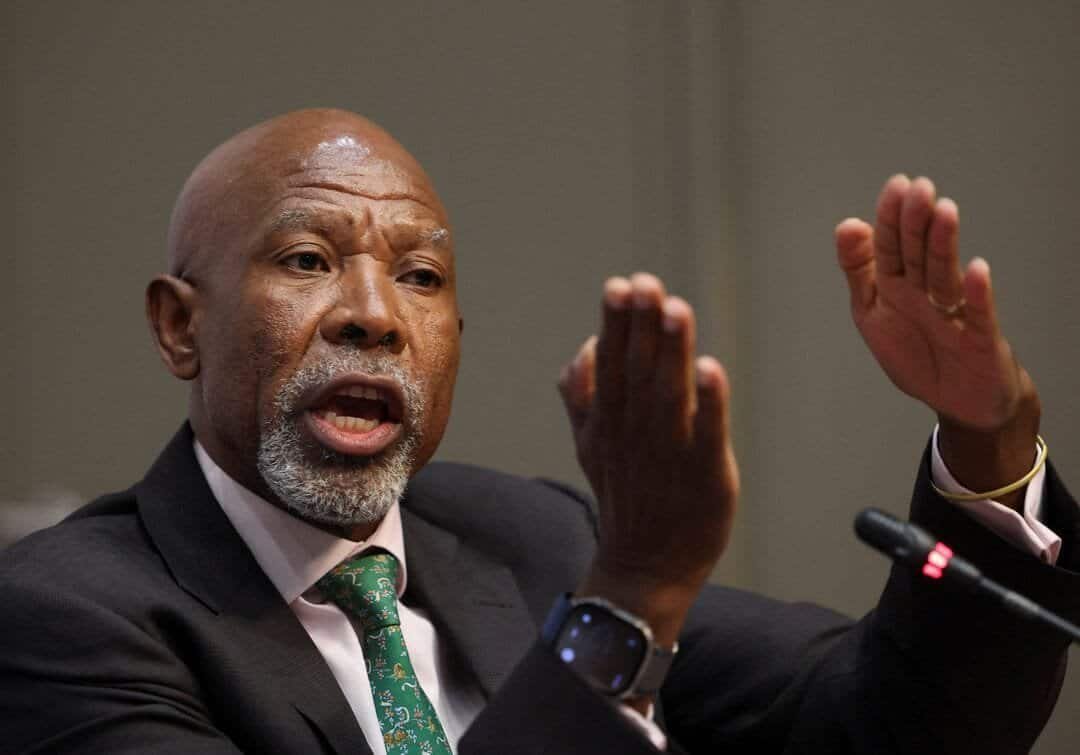
South African borrowers are facing another increase in the cost of credit after the South African Reserve Bank (SARB) raised the repo rate by 25 basis points to 7.25% on Wednesday.
The decision, announced by Governor Lesetja Kganyago on Wednesday after the Monetary Policy Committee (MPC) meeting, takes effect from 25 September and pushes the commercial banks’ prime lending rate to 10.75%.
It is the second rate increase this year, as the central bank moves to contain renewed inflationary pressure driven largely by higher fuel prices and worsening geopolitical tensions.
The announcement came just hours after Statistics South Africa reported that annual consumer inflation rose to 4.4% in August, from 4.3% in July.
The latest inflation figure is now 1.4 percentage points above the SARB’s new 3% target, putting further pressure on the central bank to prevent price increases from becoming entrenched.
Oil shock adds to pressure
The SARB said the escalating conflict in the Middle East, disruption around the Strait of Hormuz and the Russia-Ukraine war were creating a significant global supply shock.
Fuel prices, which had moderated earlier in the year, are rising again, increasing the risk of further pressure on transport and other consumer prices.
Transport inflation remained one of the biggest contributors to August’s inflation, at 8.8%, while housing and utilities increased by 5.2%.
The Reserve Bank expects inflation to remain elevated into 2027 and only return to the 3% target towards the end of 2027.
“Headline inflation will likely be above 5% later this year and early next year, before slowing as the fuel shock recedes. We currently expect inflation to be back around 3% towards the end of 2027,” Kganyago said.
For households already struggling with the cost of living, the rate hike means higher repayments on variable-rate mortgages, vehicle finance, personal loans and other forms of credit.
The increase also comes as the economy faces weak growth. The SARB has cut its 2026 growth forecast to 1.2% from 1.4%, highlighting the difficult balance between containing inflation and supporting economic activity.
Kganyago said the MPC remained focused on returning inflation to the 3% target as the current global shocks fade.