
The launch of a groundbreaking employee wellness campaign targeting tuberculosis (TB), HIV and AIDS in South Africa’s private security sector has been hailed as a major intervention aimed at improving the health, dignity and wellbeing of thousands of security officers across the country.
The initiative, launched by The Association of Private Security Owners of South Africa (TAPSOSA) with support from the Safety and Security Sector Education and Training Authority (SASSETA), took place in Johannesburg on Wednesday.
The campaign introduces what organisers described as the first workplace-centred prevention-to-care model specifically designed for South Africa’s private security industry. It seeks to address the growing health challenges faced by security officers, many of whom work long hours under stressful and demanding conditions.
Speaking at the launch, TAPSOSA President Jones Maphalaphathwa described the initiative as a historic step towards restoring dignity to security officers while ensuring better access to healthcare services.
Maphalaphathwa said security officers often work extended shifts, including overnight duties, while constantly moving between sites and communities. According to him, these working conditions increase vulnerability to TB and HIV while also making it difficult for many workers to access healthcare facilities.
He said stigma and fear remain major obstacles preventing employees from seeking medical assistance or disclosing their health status.
“This project is about taking healthcare services directly to the workplaces and communities where security officers live and work,” said Maphalaphathwa.
He explained that the campaign goes beyond ordinary awareness programmes by focusing on prevention, testing, support, treatment and long-term care.
A major component of the project is the deployment of more than 1,000 trained peer ambassadors across the country. The ambassadors, drawn from within the security sector itself, will educate workers, encourage voluntary testing, combat stigma and direct colleagues to professional healthcare support services.
Maphalaphathwa said peer-led interventions were critical because security officers were more likely to trust and open up to colleagues who understood the realities of the industry.
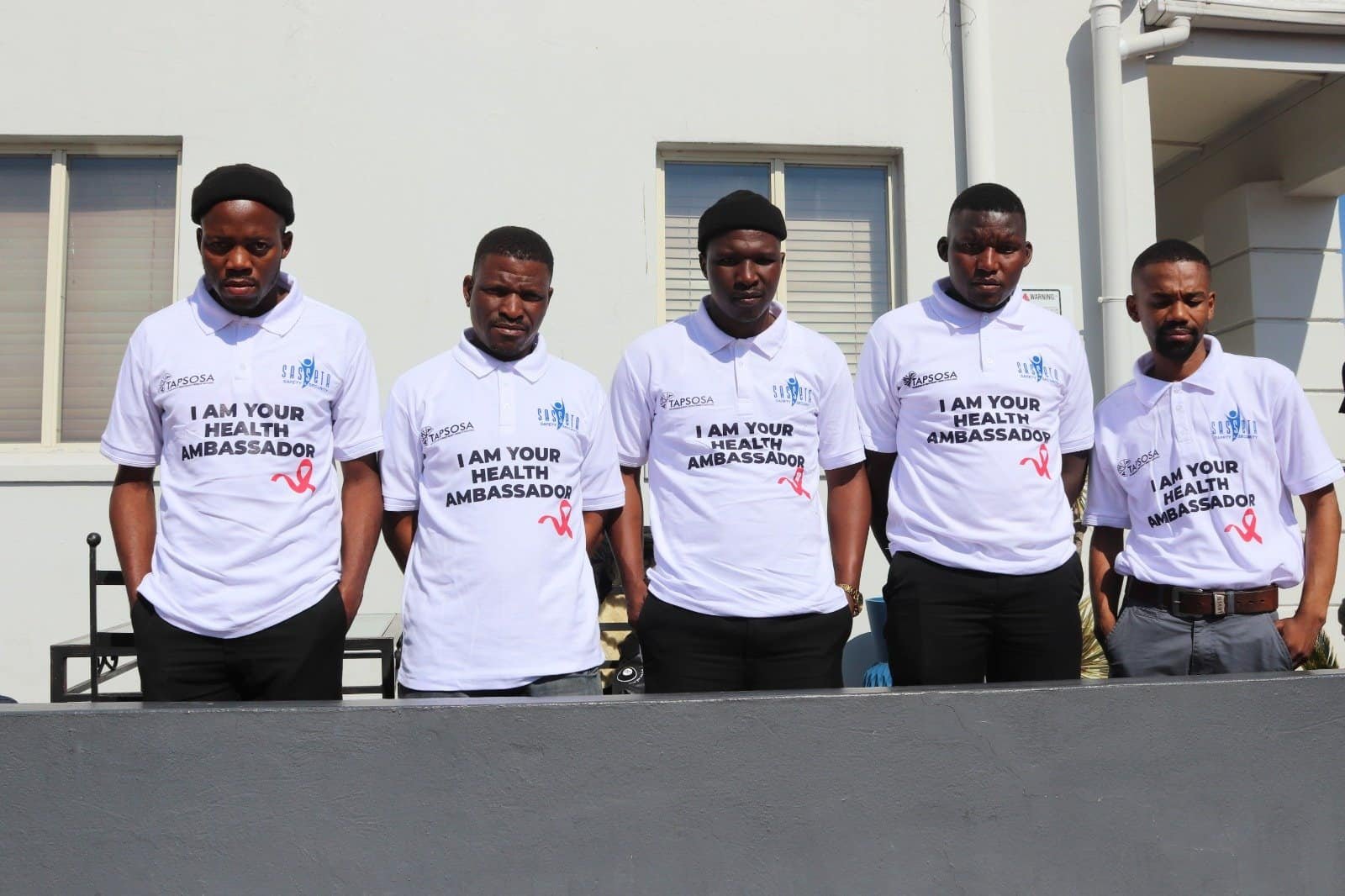
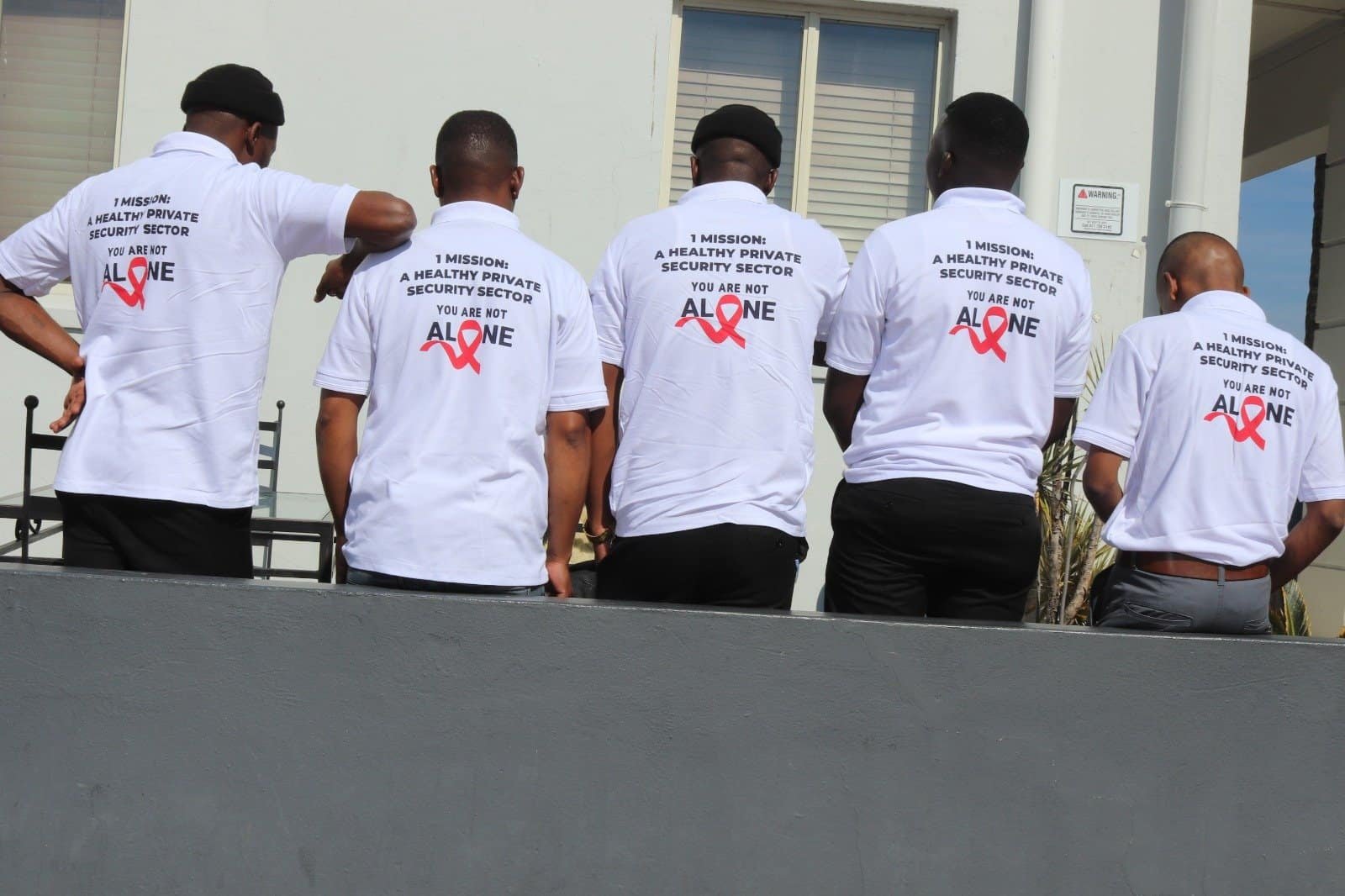
He also stressed the importance of involving labour unions and employees in shaping the employee wellness programme and policies.
“Our expectation is to see them go to the ground and consult their members so that they can give input on whatever policies are being developed so that their voices can find expression,” he said.
“We do not want a situation where everything is imposed on them. That is why they are ambassadors, so that they can have an expression in the policy. This is their project.”
Maphalaphathwa further emphasised that confidentiality would be central to the success of the programme, warning that mishandling workers’ private health information could undermine trust and damage the entire initiative.
“We are working with healthcare professionals because confidentiality is paramount. If this data is handled recklessly, one would not eliminate the stigma. If not managed correctly, it can collapse the entire project,” he said.
He added that ambassador training was already underway nationally as part of efforts to ensure the sustainability of the campaign.
TAPSOSA Treasurer General Thulani Skosana said the initiative demonstrated that the organisation’s role extended beyond representing employers and company owners.
“This is the first of its kind in the industry. It shows that TAPSOSA is not only concerned about issues affecting employers, but also about employees,” he said.
Skosana highlighted the importance of ensuring that workers remain healthy and mentally alert given the demanding nature of security work.
“When someone works for 12 hours, they need to be fit and healthy. Security officers need to remain alert at all times, and their brains need to function properly. It is important for employees to check themselves and know their status because it helps them improve their health and become a stronger workforce on the ground,” he said.
A message of solidarity was delivered by Mzobanzi Ndabana, General Secretary of the Private Sector Workers Trade Union (PSWNTU).
Ndabana said security officers were often unfairly stereotyped and disrespected despite playing a critical role in society.
“I am excited to see such an intervention taking care of the lives of officers,” he said.
“There is nothing we can do without security guards, even though they are often insulted at their workstations. To the officers, keep your head up and know that you are important.”
He said security officers make major sacrifices daily to safeguard businesses, institutions and communities.
Campaign national coordinator Jackson Simon described security officers as valuable assets rather than liabilities.
“Creating programmes like this confirms that we recognise officers as an investment in the industry,” he said.
Simon said poor health, stress and limited health education often contributed to high staff turnover within the sector.
“This campaign goes beyond security officers because they come from families and communities. The knowledge gained must spread beyond the industry itself,” he said.
He also urged employers and clients to treat security officers with dignity and ensure they are properly supported socially and financially.
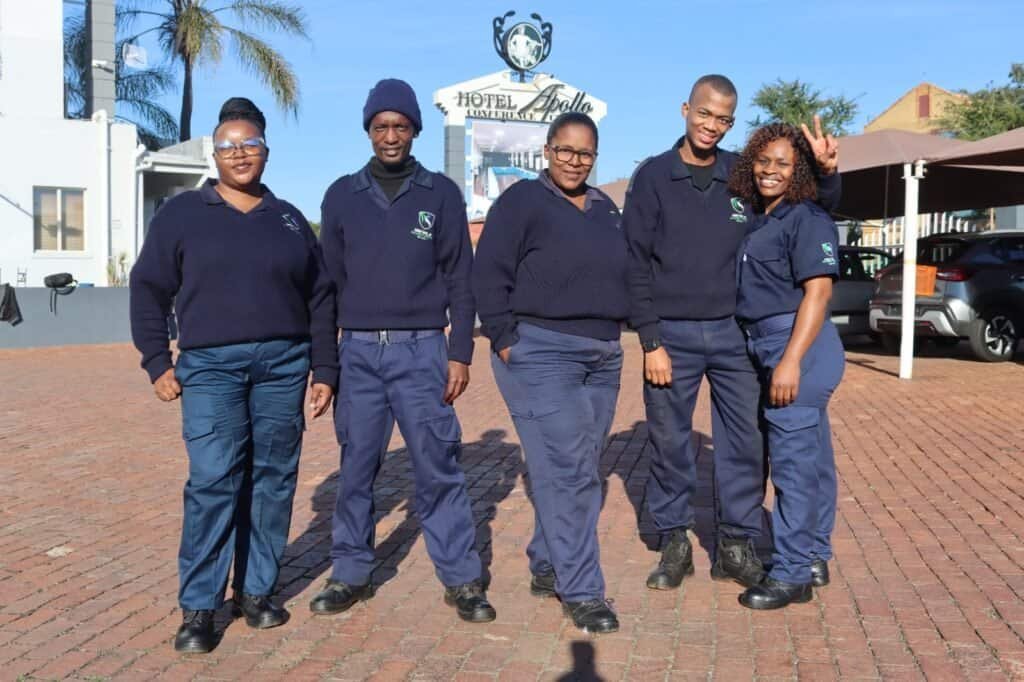
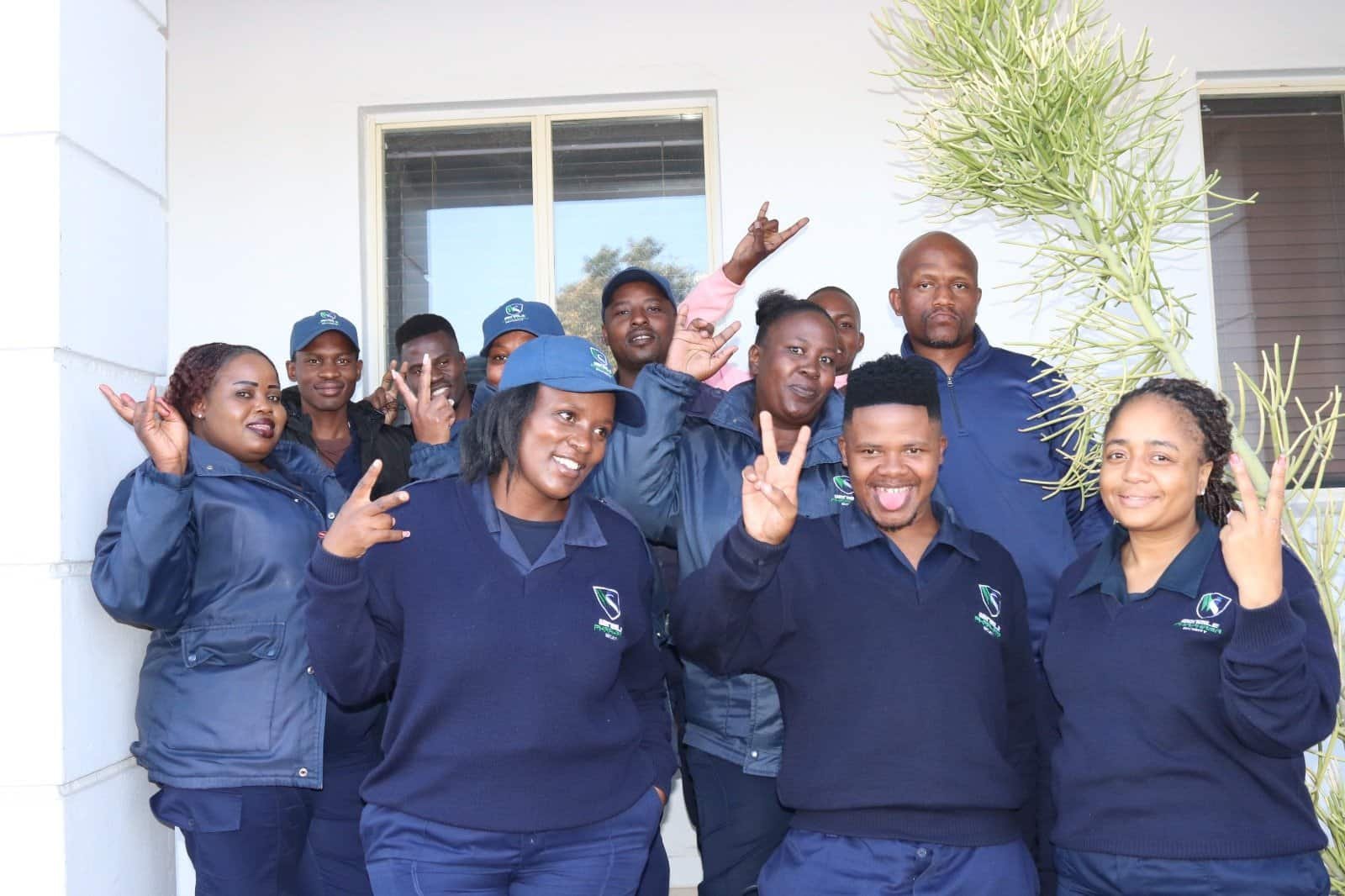
During the event, healthcare workers conducted voluntary health screenings, including blood pressure checks and HIV testing. Around 200 participants underwent screening services during the launch.
Several security officers attending the event welcomed the initiative and said it made them feel recognised and valued.
Siyabonga Nxumalo, who works at Excellent Security Services at Helen Joseph Hospital in Johannesburg, said security officers were often treated as though they were uneducated or unimportant.
“Such campaigns show that we deserve respectful treatment and that our health is being prioritised,” Nxumalo said.
“We work long shifts in different environments. I wish more campaigns, including those focusing on mental health, could be introduced.”
Another officer, Donald Senokwanyana from Mjayeli Security Services in Merafong, described the programme as an eye-opening experience.
“We must not be afraid to check our status. Not knowing is dangerous. It is better to know whether you are healthy or sick,” he said.
Themba Mbondi said the screenings helped him understand more about his health and lifestyle.
“I am happy that I now know my status and learned more about my health and proper diet. As security officers, we face many challenges, but this industry helps us provide for our families and educate our children,” he said.