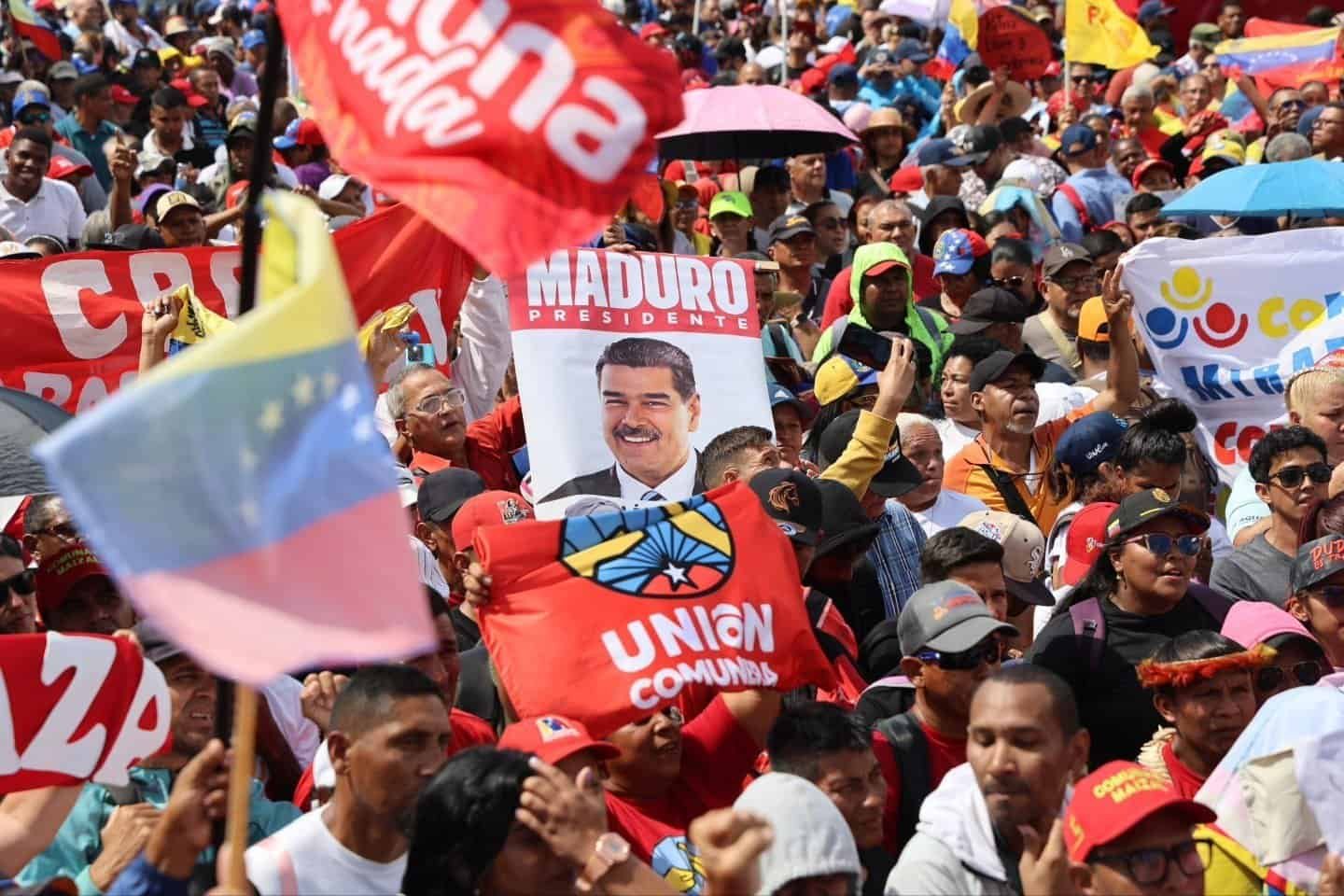
More than 170 delegates from trade unions, socialist organisations and international solidarity movements convened an emergency online meeting on 7 January 2026, culminating in the launch of a new Anti-Imperialist Front and a programme of coordinated action against what they described as escalating global aggression by the United States.
In a statement released on 8 January, the Anti-Imperialist Front said the meeting was called in response to what it termed the “kidnapping” of Venezuelan President Nicolás Maduro and Foreign Minister Celia Flores by the administration of U.S. President Donald Trump. The groups strongly condemned the alleged action, describing it as a dangerous escalation that threatens global peace and undermines international law.
The meeting was attended by a broad coalition of organisations, including the Workers and Socialist Party (WASP), General Industries Workers Union of South Africa (GIWUSA), Socialist Youth Movement, South African Boycott, Divestment and Sanctions Coalition, Mining Affected Communities United in Action, Abahlali Base Freedom Park, and several Palestine solidarity formations, among others. Participants joined from South Africa, Latin America and other regions.
According to the statement, delegates agreed that the alleged detention of Venezuelan leaders was not an isolated incident but part of what they view as a broader pattern of “naked imperialism” directed at countries in the Global South. The Front accused the U.S. of using pretexts such as the “war on drugs” and accusations of authoritarianism to justify political, economic and military pressure aimed at controlling resources and markets.
The coalition also linked the situation in Venezuela to other global conflicts, including the war in Gaza, ongoing tensions in Colombia and Iran, and what it described as attempts to destabilise countries aligned with BRICS. South Africa, the statement said, is itself vulnerable to external pressure because of its foreign policy positions on Palestine and its role in emerging global alliances.
In its political analysis, the Anti-Imperialist Front argued that the current crisis is rooted in global capitalism, marked by economic stagnation, competition for markets and resources, and rising militarisation. While acknowledging gains made in Venezuela under former President Hugo Chávez, particularly through nationalisation, the Front said reforms within capitalism were insufficient to secure lasting sovereignty or social justice.
The statement also expressed concern about what it described as restrictions on democratic rights and working-class organisations within Venezuela, stressing that the struggle against imperialism must rely on the independent power of workers and oppressed communities rather than political elites or state institutions.
As part of its programme of immediate action, the Front announced a series of planned protests and campaigns. These include coordinated pickets at U.S. embassies and consulates across South Africa on Monday, 12 January 2026, and mass participation in a Global Day of Action scheduled for 6 February 2026. The coalition said the February actions could include demonstrations, occupations and blockades.
The Front also pledged to link anti-war mobilisation with local struggles against job losses, factory closures and austerity in South Africa. It announced plans to campaign against multinational corporations it accuses of profiting from war and exploitation, including firms targeted by the international BDS movement.
In a call to action, the Anti-Imperialist Front urged major trade union federations, community organisations, student movements and social justice activists to join the initiative and establish local anti-imperialist action committees. It emphasised internationalism and grassroots organising as central to its strategy.
“Our enemy is one. Our resistance is one,” the statement concluded, calling for unity against what it described as imperialist war, economic plunder and the growing risk of a wider global conflict.