
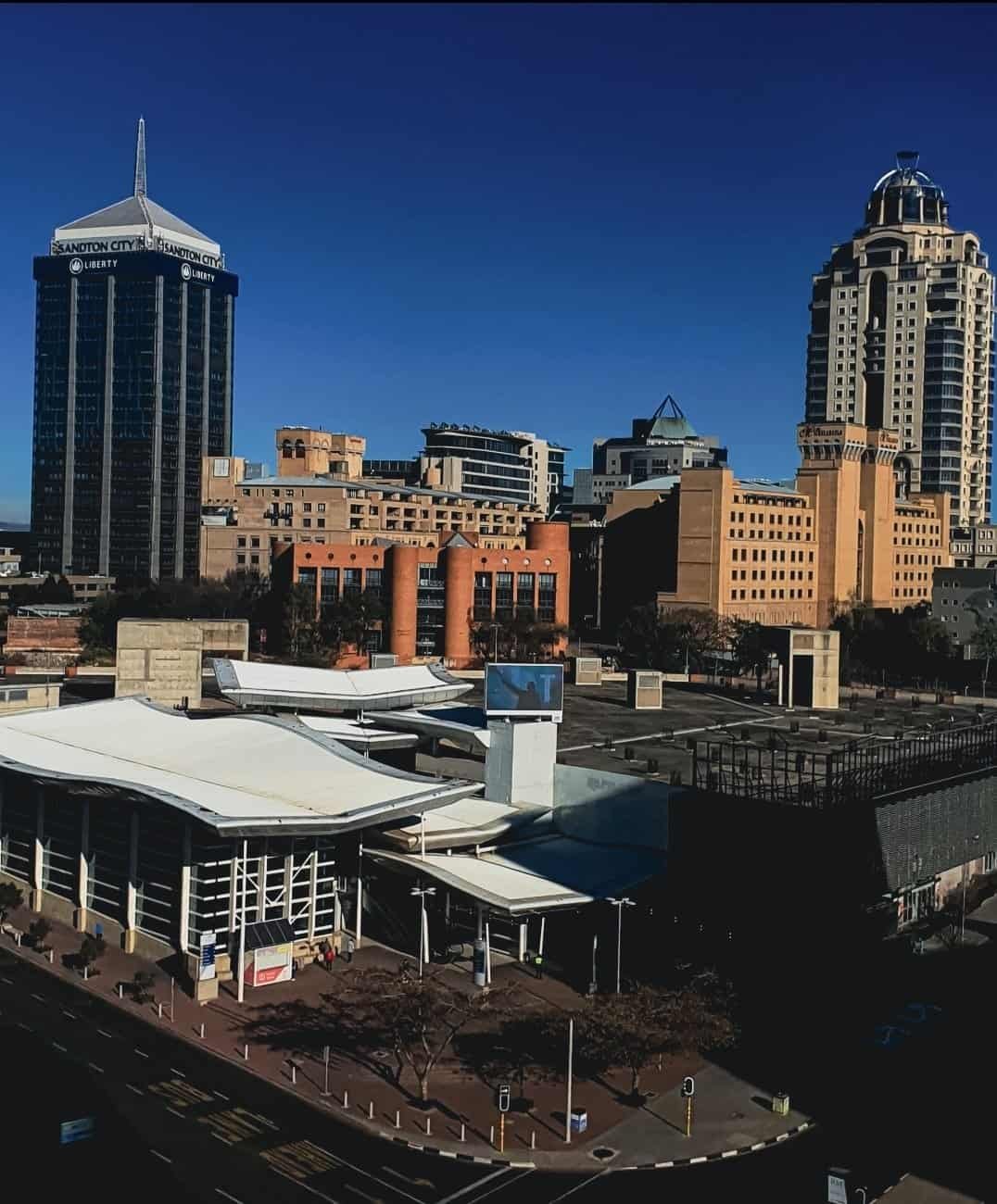
South Africa has emerged at the top of an international infrastructure-related ranking among economies with a gross domestic product (GDP) of between US$100 billion and US$1 trillion, highlighting the country’s institutional, technical and economic infrastructure capabilities.
According to the 2026 Quality Infrastructure for Sustainable Development (QI4SD) Index, published by the United Nations Industrial Development Organisation (UNIDO), South Africa leads the group with an index score of 73.44, ahead of Czechia, Austria, Finland and the United Arab Emirates.
The recognition places South Africa alongside some of the world’s established economies and offers an opportunity to reflect on the country’s infrastructure development since the advent of democracy in 1994.
For more than three decades, successive African National Congress (ANC)-led administrations have overseen an extensive programme of infrastructure expansion, aimed at reversing the inequalities inherited from apartheid and extending essential services to previously neglected communities.
The transformation has involved more than constructing roads, bridges and buildings. It has included expanding access to electricity, clean water, sanitation, education, healthcare, housing and modern transport infrastructure.
South Africa entered democracy with enormous infrastructure inequalities. Much of the infrastructure inherited by the new government was designed around the needs of the white minority, while millions of people in townships, rural villages and former homelands had limited access to basic services.
The democratic government subsequently embarked on an ambitious programme to change that reality.
Over the years, billions of rand have been invested in expanding and modernising the country’s infrastructure. Major developments include the Gautrain rapid rail network, the expansion and modernisation of OR Tambo and Cape Town international airports, the construction of King Shaka International Airport, improvements to national highways and the development of major water and energy projects.
The government also expanded social infrastructure, including schools, hospitals, clinics, housing and electricity connections, bringing essential services closer to communities that had historically been excluded.
The Presidency’s 25-Year Review documented substantial growth in infrastructure investment during the democratic era, with public infrastructure spending contributing to the expansion of the country’s economic and social infrastructure.
The significance of this development should not be overlooked.
Infrastructure is not merely about concrete, steel and impressive architectural structures. It is about connecting communities to economic opportunities, enabling businesses to operate, facilitating trade and creating an environment in which people can improve their living conditions.
South Africa’s achievement is an important moment for a country whose infrastructure development has been shaped by the difficult task of addressing historical inequalities while responding to the demands of a growing population and economy.
However, international recognition should also serve as a reminder that infrastructure development is an ongoing responsibility.
Persistent challenges involving electricity supply, water security, municipal infrastructure, railway performance and the maintenance of public assets demonstrate that much work remains to be done.
The challenge for government is to protect existing infrastructure, strengthen public institutions and ensure that future investment translates into reliable services and meaningful economic opportunities.
Nevertheless, the country’s post-1994 infrastructure journey remains a significant part of its democratic story.
It reflects decades of public investment, institutional development and efforts to extend infrastructure and essential services beyond the privileged sections of society.
For a country that inherited deeply entrenched spatial and economic inequalities in 1994, South Africa’s position in the 2026 index is an achievement worth examining and celebrating, while recognising the work still required to build a more inclusive and sustainable economy.


