Gauteng Premier Panyaza Lesufi is set to deliver his highly anticipated State of the Province Address (SOPA) later on Monday, but the build-up to the speech has been overshadowed by violent protests in Tembisa over deepening service delivery failures.
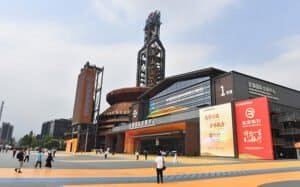
The address, scheduled for 16:00 at the Nasrec Expo Centre in Johannesburg, comes at a time of mounting pressure on the provincial government to respond to growing frustration among residents.
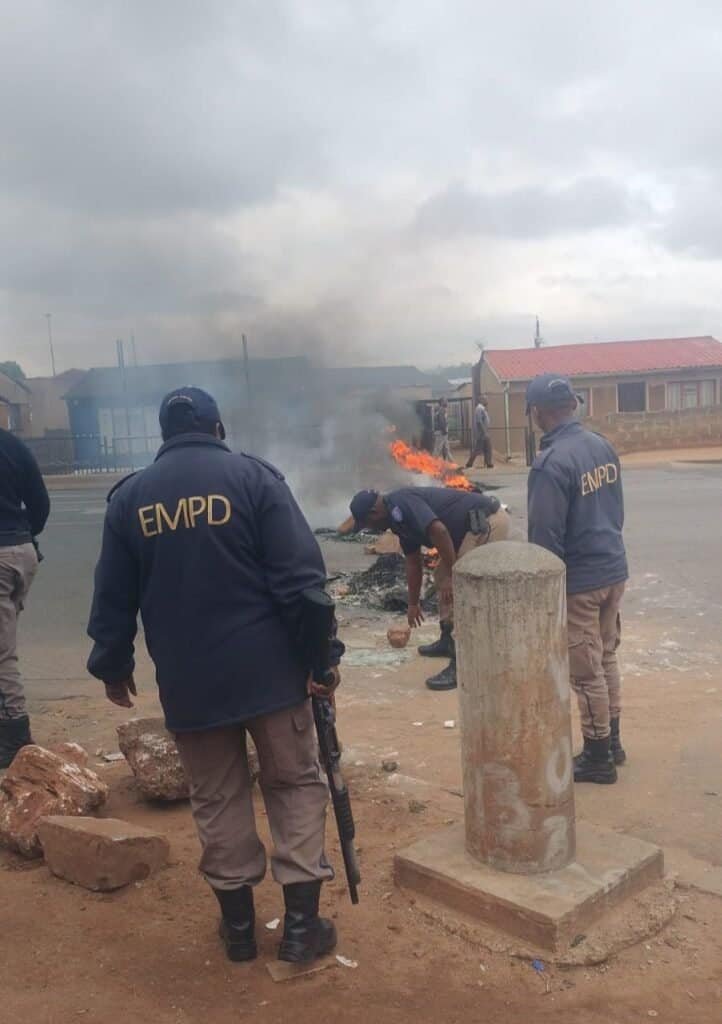
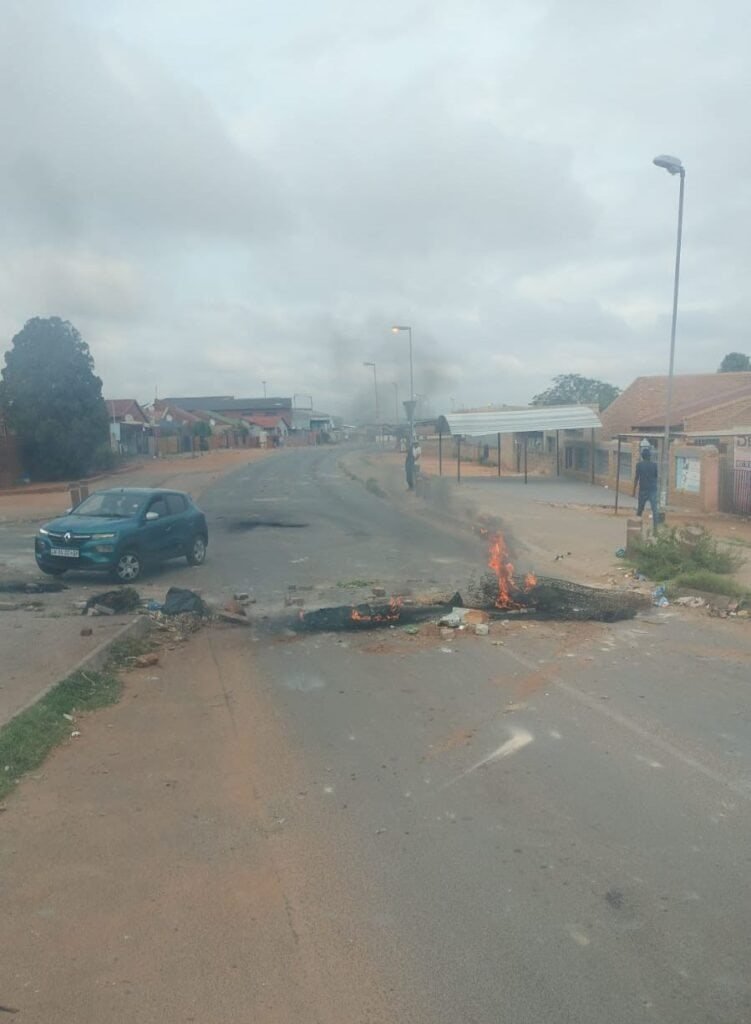
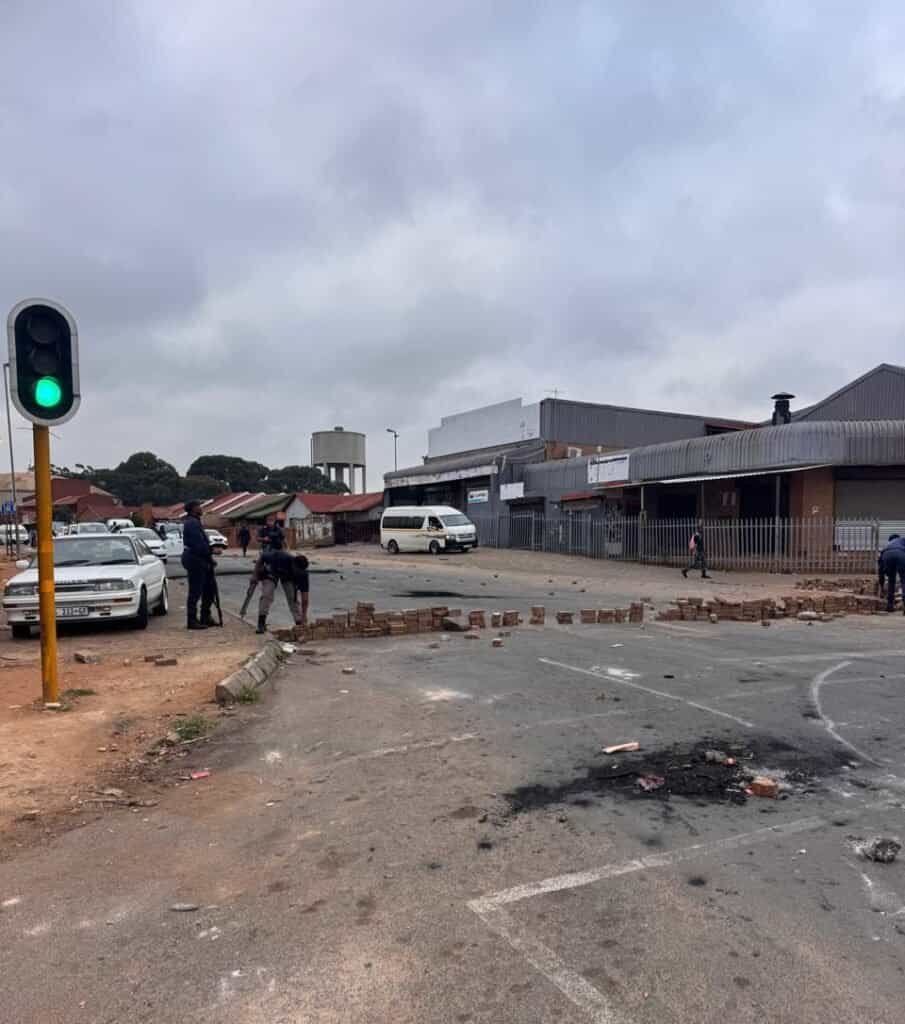
In a dramatic start to the day, Tembisa residents took to the streets in the early hours of Monday, barricading major roads with burning tyres, rocks and debris. The protest disrupted traffic and daily life, affecting learners and workers attempting to commute.
Among the affected routes were Brian Mazibuko Drive, RTJ Namane Drive, Phomolong Road and several internal roads within the township.
Law enforcement agencies, including the Ekurhuleni Metropolitan Police Department (EMPD), public order policing units and the South African Police Service, were deployed to contain the unrest and monitor the situation.
The protests are rooted in longstanding grievances over electricity disconnections, rising costs of basic services and what residents describe as ongoing neglect by authorities.
Ironically, Tembisa is one of the townships where Lesufi grew up — a fact that has amplified expectations that his administration should better understand and respond to the community’s challenges.
City attempts to calm tensions
On Sunday, Ekurhuleni mayor Nkosindiphile Xhakaza who also hails from Tembisa, announced a series of urgent interventions aimed at addressing residents’ concerns and preventing unrest.
These include halting electricity disconnections for indigent households, restoring power to affected homes, reviewing the city’s indigent policy and initiating a process to scrap qualifying household debt.
Xhakaza acknowledged the seriousness of the issues raised by residents, particularly around termination notices and affordability.
“No qualifying indigent household should be deprived of basic services due to administrative shortcomings or policy gaps,” he said.
Despite these measures, protests still erupted, suggesting deep-seated frustration and a lack of trust in government processes.
Opposition raises red flags ahead of SOPA
As Lesufi prepares to take to the podium, opposition parties have already set the tone, calling for accountability and concrete action rather than what they describe as repeated promises.
GOOD national chairperson Matthew Cook said the premier must deliver “an honest account of progress” and explain why previous commitments have not been fulfilled.
“Too many of these commitments remain unfulfilled. Service delivery failures persist, and many communities still lack access to reliable water, electricity and decent infrastructure,” Cook said.
He warned that previous SOPAs have often failed to translate into tangible improvements in people’s daily lives.
The Democratic Alliance (DA) has been even more critical.
Official opposition leader Solly Msimanga described Gauteng as being on the brink of collapse due to poor governance and failing infrastructure.
“Service delivery in Gauteng is hanging on by a thread and will collapse completely if urgent action is not taken,” Msimanga said.
He cited a range of ongoing challenges, including increasing crime, persistent water and electricity outages, pothole-ridden roads, malfunctioning traffic lights and sewage spilling into communities.
Msimanga also highlighted broader systemic issues, including unemployment, overcrowded schools and delays in infrastructure development.
Mounting pressure on Lesufi
Much of the criticism is centred on Lesufi’s previous SOPA commitments, including promises to address informal settlements, improve infrastructure, create jobs and tackle crime.
Opposition parties argue that progress has been slow or insufficient, with many communities still facing the same challenges year after year.
The protests in Tembisa have further intensified scrutiny on the provincial government, underscoring the urgency of addressing basic service delivery concerns.
Residents say they can no longer afford electricity and are frustrated by disconnections that they believe disproportionately affect vulnerable households.
A critical moment for Gauteng
Monday evening’s SOPA is expected to outline government’s plans for the year ahead, including strategies to address infrastructure backlogs, economic challenges and service delivery issues.
However, the events in Tembisa have already set a tense tone for the address.
With communities increasingly vocal and opposition parties demanding accountability, Lesufi faces a critical test — to convince residents that his government can move beyond promises and deliver real, measurable change.
As the province watches closely, the question remains whether the SOPA will provide the solutions residents are demanding, or whether it will deepen frustrations in a province already under strain.
With elections looming later this year, political pressure is mounting on the provincial government to translate promises into tangible improvements — or risk further unrest from communities demanding immediate change.