Politics is about power. Power can oppress. Power can liberate. And power gained from the mandate of struggling people can be squandered. South Africa has become a laboratory where that squandering has been tested to its limits.
Conferences like this one are meant to be a reality check. The question is simple: Is South Africa the picture of what liberation promised? Honesty in grappling with that question is what brings scholarship back to politics. Out of that scholarship, we are reminded that historical authenticity matters. Anything else is a thriller. And thrillers are what Hollywood specialises in. Truth is not a thriller. Truth unites and divides. Truth can make one lose friends. Truth can also earn one enemies.
This initiative matters because it is service-oriented for the public good. Where criticism arises, it comes not from malice but from concern that the vision is drifting. This is a renewal for the tertiary sector, an open invitation to peer review, a pledge that truth is not the game reserve of those in power.
As Cornel West reminds us, the condition for truth to be heard is when suffering speaks. The first thing dehumanisers do is deny the dehumanised a voice. Tyrannical systems persist largely because those who suffer under them fail to collectively challenge their subjugation.
Frantz Fanon put it plainly: “Every generation must, out of relative obscurity, discover its mission, fulfill it, or betray it.” On June 16, 1976, the students did not betray their mission. That is the significance of the 1976 student uprising.
Out of the graveyard of black people consenting to their own oppression, there was a resurrection of student leadership mad enough to declare, “Enough was Enough.” It echoed Frederick Douglass in 1857: “The limits of tyrants are prescribed by the endurance of those whom they oppress.”
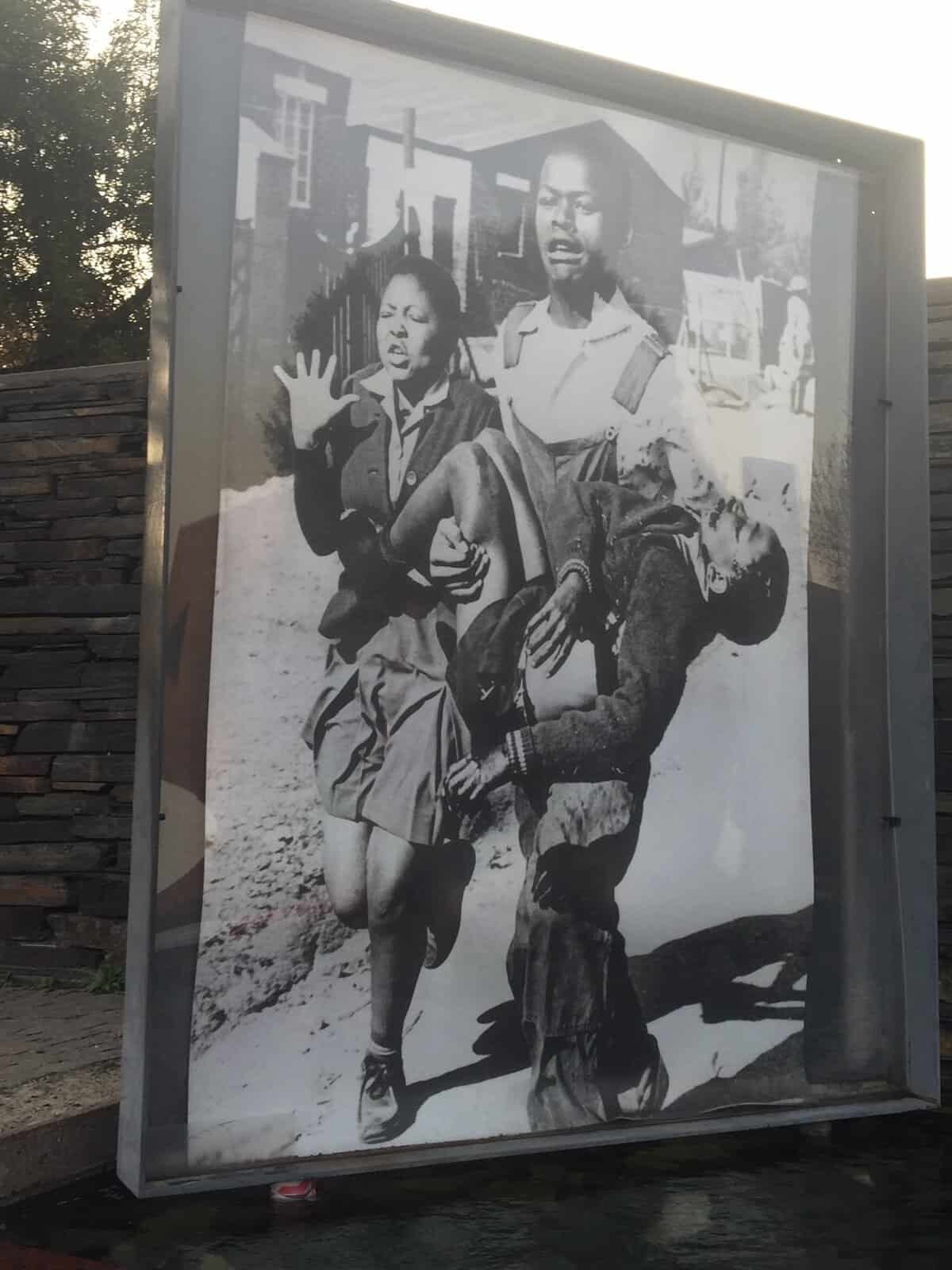
That limit reached breaking point on Wednesday, 16 June 1976. The students took the struggle from the classroom into the streets. The issues had moved beyond language of instruction and curriculum. Liberation was back at the centre. It was in the posters lifted, the freedom songs sung, the slogans chanted: “Forward Ever, Backward Never.”
The state response did not care that these were children. The brutality was a repeat performance of the Sharpeville Massacre of 21 March 1960. Between 1960 and 1976, it took 16 years of debate at the United Nations to adopt the resolution that apartheid was a crime against humanity. That resolution came into force on 18 July 1976. That is the significance of June 16, 1976.
We would be mistaken to believe the struggle began and ended between 1948 and 1994. That was the period when colonial conquest took formal form in public policy and legislation to legalise racism that was already in practice. Had Bartolomeu Dias, who set foot on African soil on 3 February 1488, stayed longer, the uprising would likely have been triggered by the enforcement of Portuguese. Jan van Riebeeck came later, on 6 April 1652, and stayed longer. Afrikaans evolved to be the leading edge of oppressive public power.
The antidote was Black Consciousness. And the media proved no less a part of the oppressive ecosystem.
The reputed editor of the liberal Rand Daily Mail, Alister Sparks, called black people “non-whites” in his newspaper. Even when black journalists like Bokwe Mafuna submitted stories referring to their subjects as black, the term was spiked and replaced with “non-white.” When confronted, Sparks coined “AfriColocias” — Africans, Coloureds, and Asians — in place of black. Mafuna, deputy president of the Union of Black Journalists, resigned in protest. After harassment, detention, and banning, he was forced into exile in September 1973.
UBJ president Harry Mashabela stayed. When Mafuna left, Don Mattera became deputy president. Mattera was banned, detained, house-arrested, and prohibited from The Star newsroom. When Mattera was banned, Joe Thloloe succeeded him as deputy president.
At The Star, Maud Motanyane was denied access to white female toilets near her workstation. It only changed during her pregnancy, when the denial became an embarrassment too visible to sustain. While detained at Modderbee Prison after June 16, 1976, journalist Joe Thloloe received a letter from Drum owner Jim Bailey dismissing him and cutting his salary. Bailey said Thloloe had been warned to stay out of politics, and his imprisonment was grounds for firing. The lifeline came when The World editor Percy Qoboza hired him as a features writer.
Contributing writer for Daily Dispatch, Mapetla Mohapi, died in police custody on 5 August 1976. When Stan Mutjuwadi took over as editor of Drum, he named his column with the successive derogatory terms black people were called: BantuStan; DeKaffrinatedStan; Co-operative Stan; Plural Stan; and Black Stan.
Not only did black journalists reclaim their pride of place in the profession, they brought empathy and ubuntu. The rush for the story did not take away their humanity. When Hector Pietersen was shot, Sam Nzima and Sophie Tema did not just chase the story to break it. They also ferried the mortally wounded Pietersen to Phomolong Clinic in an attempt to save his life.
The energies of hate that endure in post-1994 South Africa come primarily from white people who fear equality to be oppression itself. They fear to be human, because their humanity has depended on the dehumanisation of people with a different skin.
Because of this, black and white people in South Africa do not have a joint truth. To white racists, liberation is terrorism. Black people die for liberation. White people kill for oppression.
How long must this last, 50 years after 1976? Does truth have an age, or is it an ageless endeavour? Can truth give up or retire?
Once people have seen the light, it is impossible to make them unsee. On June 16, 1976, the students saw. And because they saw, they acted. They did not betray their mission.
Our mission now is the same: to refuse sanitized history, to insist on historical authenticity, and to speak truth even when it costs us friends and earns us enemies. That is how scholarship returns to politics. That is how we honour the Class of ’76.

Oupa Ngwenya is a corporate strategist, writer and freelance journalist. In 1976, he was a matric student at Naledi High and desk mate to Khotso Seathlolo, successor of student leader Tsietsi Mashinini.