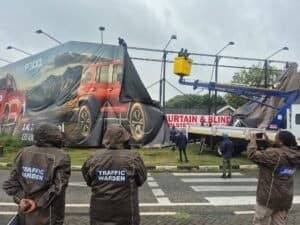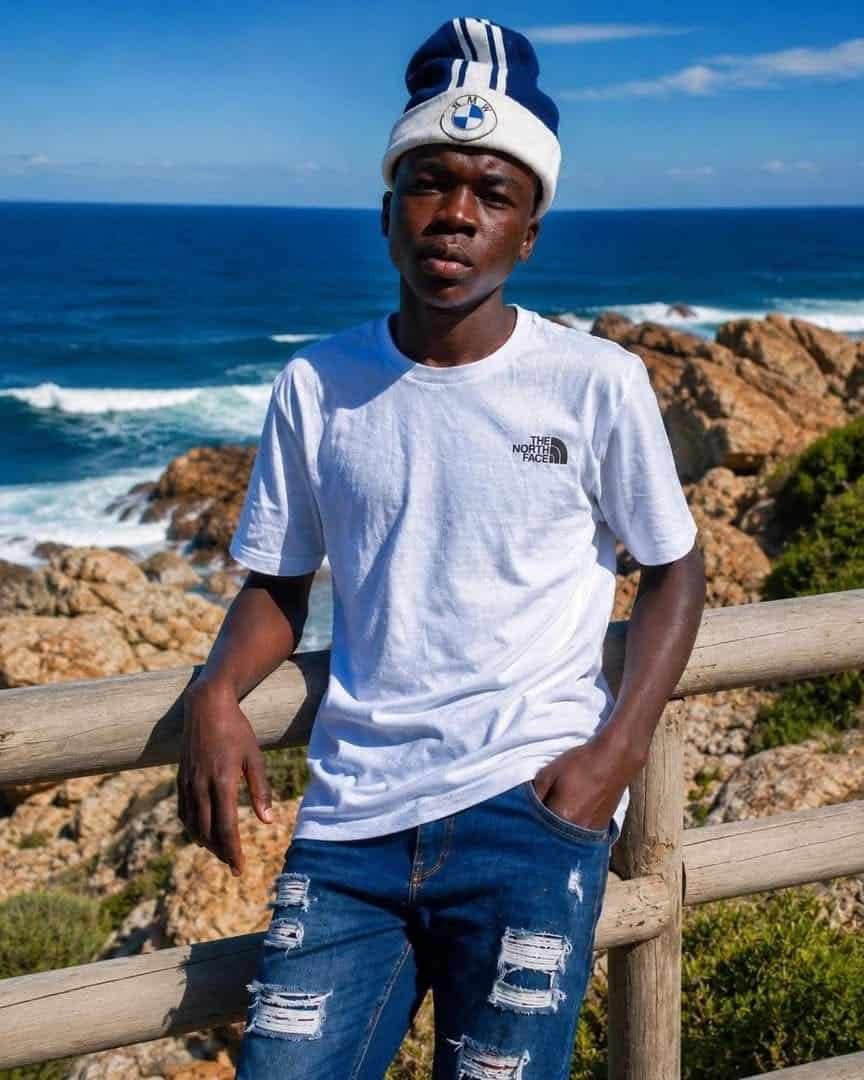
A grieving Limpopo family is demanding justice after 19-year-old Nhlamulo Sambo was allegedly stabbed to death during violent unrest in Mossel Bay, Western Cape, with relatives claiming he was targeted because attackers mistakenly believed he was a foreign national.
The death of the young man from Giyani, Limpopo, has sparked outrage, renewed debate about xenophobia and anti-immigration protests, and prompted calls from political and civic organisations for a full police investigation.
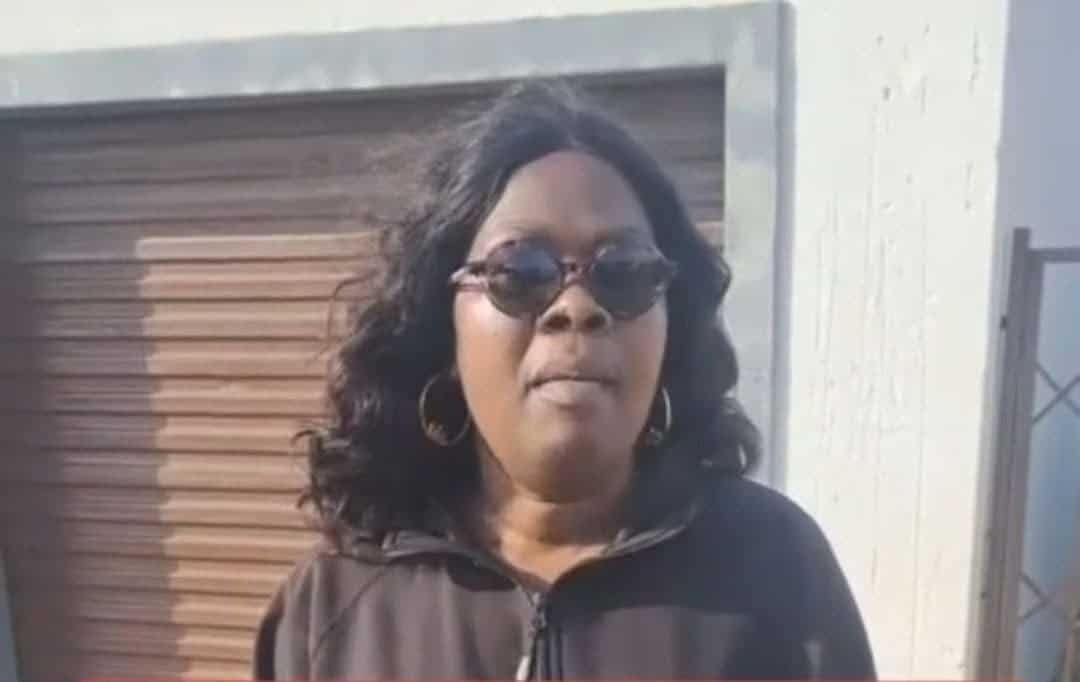
Nhlamulo’s mother, Patricia Sambo, has captured the nation’s attention after a heartbreaking video emerged on social media in which she pleaded for financial assistance to transport her son’s body from the Western Cape to Limpopo for burial.
“My son who is a Tsonga, born in Limpopo who lived in Mossel Bay was brutally killed by people who accused him of being a foreigner. My son was South African. I am unemployed, please help me with money to transport his body so that I can bury him in Limpopo this coming Saturday. I am in pain, I am hurt, please help South Africans,” the distraught mother said through tears.
The family alleges that Nhlamulo was attacked amid anti-immigration violence that erupted in KwaNonqaba and Asla Park in Mossel Bay. According to relatives, he was mistaken for a foreign national because he spoke Xitsonga.
His sister, Nonhlanhla Sambo, said her brother was targeted for having nicer things than other boys in the area.
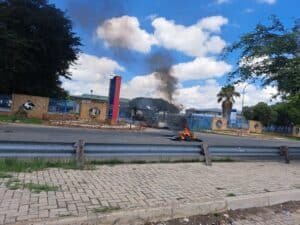
Other reports claimed that he was among the victims caught up in the unrest that saw homes torched, residents fleeing for safety, and hundreds of people displaced.
The violence left a trail of destruction across parts of Mossel Bay, with several informal structures burned and scores of residents forced to abandon their homes. Municipal authorities subsequently established emergency shelters for displaced residents. Reports indicate that approximately 400 people were accommodated at various facilities after the unrest.
According to Southern Cape police, two people were killed during the violence, and two separate murder dockets were opened. Police said the motive for the killings remains under investigation. At the time of reporting, no arrests had been made in connection with the murders.
Southern Cape police spokesperson Warrant Officer Chris Spies previously confirmed that police responded to two separate murder scenes during the unrest.
According to police, officers were called to New Rest informal settlement in the early hours of 30 May, where they found the body of a man with multiple injuries. A second victim was declared dead upon arrival at a nearby hospital. Authorities have opened murder cases, and investigations remain ongoing.
Police have since deployed Public Order Police and increased visibility in KwaNonqaba and surrounding areas in an effort to stabilise the situation and prevent further violence. Authorities have described the situation as calm but continue to maintain a strong security presence.
The Afrika Mayibuye Movement issued a strongly worded statement condemning Sambo’s death and expressing condolences to his family.
The organisation described the killing as a tragedy that allegedly stemmed from Nhlamulo being mistaken for a foreign national because he spoke Xitsonga.
“This young life, full of promise and potential, was tragically cut short amid violence that erupted during protests in the Western Cape,” the movement said.
The organisation stressed that concerns about undocumented immigration should never be used to justify violence, vigilantism, or attacks on innocent people. It further pledged to support efforts to secure justice for the Sambo family and called for constructive dialogue rather than violence.
Operation Dudula has also expressed condolences to the Sambo family while firmly distancing itself from the killing.
In a statement, the movement said no mother should ever have to bury her child and described the murder as a senseless tragedy.
However, Operation Dudula rejected attempts to link the organisation to the incident, insisting that it has consistently advocated for peaceful protests and has never encouraged violence against South Africans based on language, ethnicity, or cultural identity.
The movement further argued that it was being unfairly blamed for a crime it did not commit and maintained that legitimate concerns about illegal immigration should not be conflated with criminal acts.
A 19-year-old from Tsongweni who tagged March and March leader Jacinta Ngobese-Zuma in a TikTok post, asking her to comment on the death of the Limpopo teenager.
The young man also questioned whether he should fear for his own life because he is Tsonga.
His post quickly gained attention as many social media users expressed concern over reports that Nhlamulo may have been mistaken for a foreign national because he spoke Xitsonga.
Responding publicly, Ngobese-Zuma extended her condolences to the Sambo family and described the circumstances surrounding the teenager’s death as heartbreaking.
“I think it’s cruel and heartless what they are going through and what the community did,” she said.
The March and March leader said no family should have to endure the pain of losing a loved one under such circumstances, regardless of nationality or immigration status.
“I don’t think any family, even if it was not a Tsonga boy, if it was just a foreign national even, it really is uncalled for that there’s people that have to die because of this fight against immigration that we are fighting as a country,” she said.
Ngobese-Zuma reiterated that when March and March was formed, the movement made it clear that its campaign against illegal immigration should never involve violence.
She said the organisation has consistently advocated for lawful action and engagement with government institutions rather than vigilantism or attacks on individuals.
“When we started March and March, we were very clear that there must be no violence. We said South Africans must get rid of illegal immigration through proper channels. That is why we marched to government and handed over memorandums,” she said.
The incident has placed renewed pressure on political leaders to address growing tensions surrounding immigration and xenophobia.
Human rights activists and community leaders have warned that inflammatory rhetoric around immigration risks fuelling violence against both foreign nationals and South Africans who are perceived to be outsiders because of their language, appearance, or accent.
The unrest in Mossel Bay has already displaced hundreds of people, destroyed dozens of structures, and left communities traumatised. Municipal officials confirmed that more than 50 informal structures were destroyed during the violence.
For the Sambo family, however, the focus remains on securing justice for Nhlamulo and ensuring he is laid to rest with dignity in his home province of Limpopo.
As investigations continue, his death has become a painful symbol of the devastating consequences of mob violence and mistaken identity in a country still grappling with social tensions, unemployment, and divisions over immigration.
For Patricia Sambo, the loss is deeply personal.
Her plea remains simple: help bring her son home.