
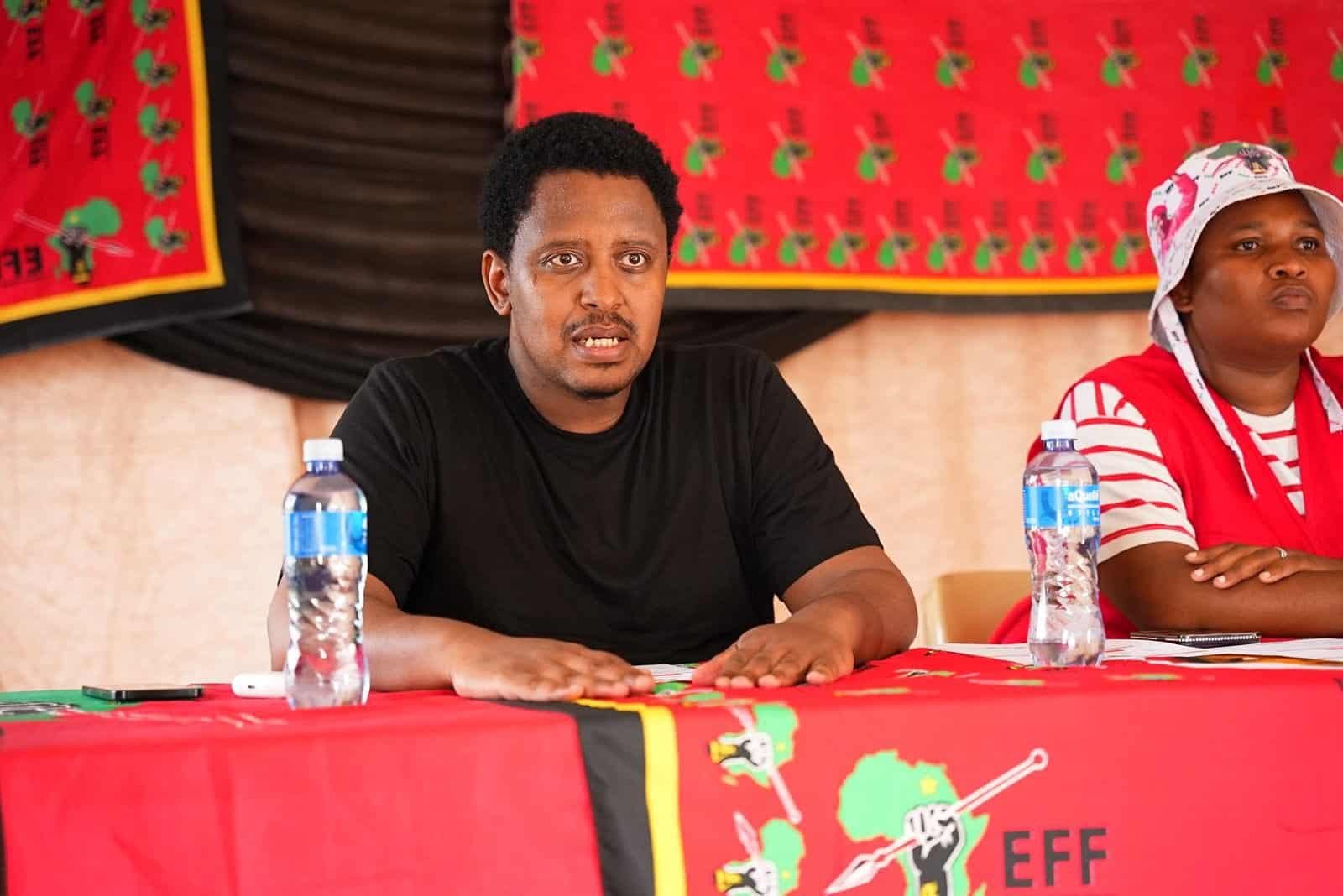
The Economic Freedom Fighters (EFF) has marked World AIDS Day by reaffirming its support for the millions of South Africans living with HIV/AIDS and paying tribute to those who have lost their lives to the epidemic. The party highlighted both the progress made in the fight against HIV/AIDS and the ongoing challenges that continue to drive new infections and complicate treatment efforts in South Africa.
South Africa is home to over eight million people living with HIV/AIDS, representing more than 12 percent of the population. Recent data indicate that new infections continue to outpace HIV-related deaths. In the most recent reporting period, the country recorded over 170 000 new infections, while slightly more than 100 000 people with HIV died, roughly half due to AIDS-related illnesses.
EFF National Spokesperson Sinawo Thambo said, “On World AIDS Day, we stand with all South Africans living with HIV and remember those whose lives have been lost. While there has been progress in treatment, structural failures, inequality, and gaps in our public-health system continue to fuel new infections. We call on the government to strengthen our healthcare system, expand prevention efforts, and ensure that every South African can access treatment with dignity.”
The party expressed concern over declining condom use, which researchers have identified as a key contributor to the rise in new infections. According to the EFF, this trend reflects a broader collapse in prevention efforts caused by inadequate public-health messaging, limited resources, and socioeconomic conditions that make safe choices difficult for poor and marginalised communities.
Approximately 6.2 million people in South Africa are currently on antiretroviral therapy (ART), accounting for around 78 percent of all people living with HIV. While this represents a major step forward, nearly one in five people with HIV are not receiving treatment. Experts note that consistent access to ART is crucial both for maintaining individual health and for preventing the spread of the virus.
South Africa continues to lag behind the global HIV treatment targets, which call for 95 percent of people living with HIV to know their status, 95 percent of those to be on treatment, and 95 percent of those on treatment to achieve viral suppression. The EFF said gaps in treatment coverage reflect both individual and systemic failures, including the country’s continued reliance on global funding for HIV/AIDS programmes and the lack of a fully self-reliant health infrastructure.
Gender disparities in HIV infection and treatment remain a significant concern. Women account for more than five million of those living with HIV, yet men are more likely to die from HIV-related causes. Thambo highlighted that this pattern underscores deeper inequalities in access to care, social vulnerability, and patriarchal structures that leave women at higher risk of infection while men engage less with health services.
The EFF also noted a growing number of people begin treatment only when their immune systems are already severely compromised. Tens of thousands start therapy with dangerously low CD4 counts, a sign that many are reaching care too late. Additionally, hundreds of thousands of patients drop out of treatment each year and later return, often with similarly weakened immune systems. Factors contributing to this include unstable medicine supply, overstretched clinics, social stigma, and poor follow-up systems.
Despite these challenges, there are signs of improvement. Life expectancy for people living with HIV continues to rise as treatment extends lives, and new medical interventions, including the recently adopted HIV prevention injection lenacapavir (LEN), are being implemented. Viral suppression rates are improving, offering hope for fewer infections and better long-term health outcomes.
The EFF is calling on the government to strengthen public health systems, invest in community-based care, ensure a reliable medicine supply, and fully staff clinics to serve all communities with dignity. The party stressed the need for bolder prevention efforts, particularly targeting young people, who account for the majority of new infections.
Thambo said, “Prevention must be at the heart of our approach. Education, condom access, and youth-focused interventions are essential if we are to reduce new infections. The fight against HIV/AIDS is not only a medical challenge but also a social one. Poverty, inequality, and stigma all play a role in the persistence of this epidemic.”
On World AIDS Day, the EFF urged all South Africans to get tested, know their status, and take responsibility in the collective effort to combat HIV/AIDS. The party emphasised that building a strong, equitable, and resilient public-health system, combined with societal commitment, is essential to reducing new infections and improving the lives of millions of South Africans.


