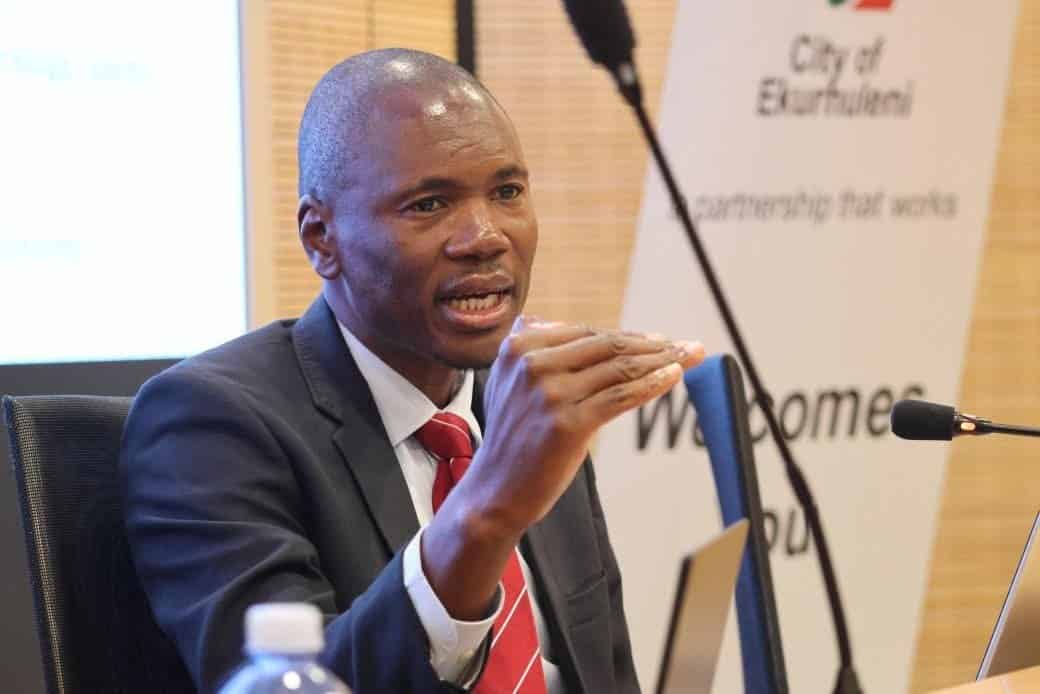
The City of Ekurhuleni is set to make another attempt on Monday to pass its 2026/27 budget after four previous efforts failed to secure enough support in council, raising concerns about the municipality’s ability to meet critical financial deadlines and continue implementing key service delivery programmes.
The extraordinary council meeting comes with just days remaining before the start of the new municipal financial year on 1 July. Municipalities are required by law to adopt their budgets before the end of June, placing increasing pressure on political parties in the metro to break the deadlock.
The latest budget impasse has highlighted deep political divisions within one of South Africa’s largest metropolitan municipalities. During the fourth budget vote held last week, the proposed budget once again failed to obtain the required support from councillors. According to reports, 95 councillors voted in favour of the budget while 105 opposed it.
The budget had already suffered three previous defeats in council. Earlier this month, a special council sitting convened to resolve the impasse also ended in failure after the budget received 100 votes in favour and 111 against. Speaker of Council John Senona subsequently indicated that another council sitting would be scheduled in an effort to secure approval before the statutory deadline.
At the centre of the dispute are disagreements over tariff increases and broader concerns about the city’s financial management. Opposition parties, including the Democratic Alliance, have criticised the proposed budget, arguing that it places additional pressure on residents through higher municipal charges while failing to adequately address governance and service delivery challenges.
The proposed budget is valued at approximately R71 billion and would guide the municipality’s spending and infrastructure plans for the 2026/27 financial year. Failure to adopt the budget before the end of June could have serious implications for the metro’s operations, including delays in implementing development projects and potential disruptions to service delivery.
Finance and Strategy MMC Jongizizwe Dlabathi has repeatedly appealed to political parties to support the budget, saying the administration has already revised certain aspects of the spending plan in response to concerns raised by opposition councillors. He said the ANC-led administration would continue engaging with political parties in an attempt to secure sufficient backing for the budget before the deadline.
“We do have a deadline,” Dlabathi said following the most recent failed vote, expressing hope that ongoing engagements would eventually produce consensus among parties represented in council.
Political instability in the metro has contributed to the budget difficulties. The collapse of cooperation between the ANC and the EFF, which previously worked together in the municipality, has complicated efforts to secure a majority for key decisions. The tensions have also resulted in legal challenges and disrupted council proceedings over recent months.
Governance experts have warned that prolonged uncertainty over the budget could undermine investor confidence and affect the city’s ability to execute planned infrastructure projects. Municipal budgets determine funding allocations for essential services such as electricity, water, sanitation, roads, waste management and community facilities.
Tuesday’s extraordinary council meeting is therefore expected to be closely watched by residents, businesses and political observers alike. If councillors again fail to approve the budget, the municipality could face a governance crisis as the legal deadline approaches, potentially triggering intervention from higher spheres of government.
The outcome of the meeting will determine whether Ekurhuleni can begin the new financial year with an approved spending framework or whether political negotiations will have to intensify in the final days before the end-of-June deadline.